On November 1, 2025, the Ladies of the Knights of the Vine (KOV) gathered for an evening that beautifully intertwined culture, history, and wine. Drawing inspiration from Día de los Muertos, All Saints Day, and All Souls Day, we created a celebration that honored both the living and the legacy of women who helped shape the world of wine.
The Mexican tradition—Aztec in origin—welcomes departed loved ones through vibrant altars (ofrendas) adorned with flowers, candles, and personal mementos. Meanwhile, in Spain and Portugal, All Saints and All Souls Days are marked by quiet visits to cemeteries, where families honor ancestors with offerings and reflection.

Adding an educational twist, our tasting paid tribute to three remarkable women in wine who left enduring marks on their regions and the industry:
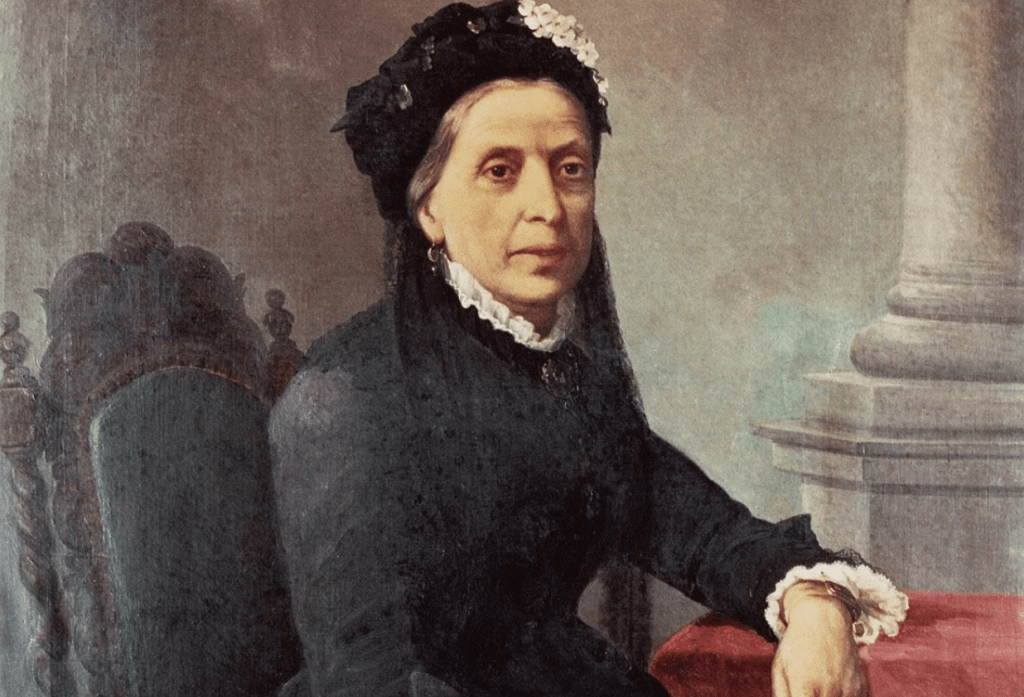
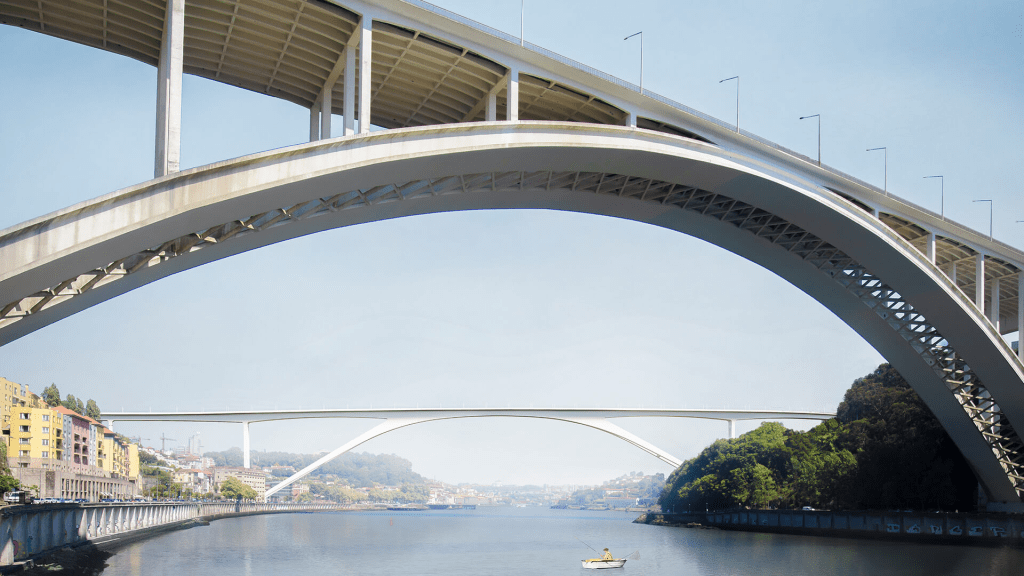
- Doña Antónia Adelaide Ferreira (Portugal) – The matriarch of the Douro, who safeguarded Portuguese viticulture through the phylloxera crisis and championed quality Port.. A revered humanitarian, she remains a national symbol of perseverance and generosity. The new walking bridge under construction in Porto, slated to open in 2026, will be named in her honor.
- Barbe-Nicole Clicquot Ponsardin (France) – Widowed young, she revolutionized Champagne with innovations that shaped modern sparkling wine. When Champagne was still cloudy, she devised a riddling table—drilling holes in her own kitchen table to hold bottles at an angle for gradual sediment removal.
- Isabelle Simi (California) – Who took the helm of her family’s winery at age 18 after her father’s death, guiding it through Prohibition and laying the foundation for one of Sonoma’s most enduring legacies.
Their stories captivated the room, reminding us that while wine history often celebrates great men—Robert Mondavi and André Tchelistcheff among them—women, too, have defined the industry’s evolution. Sharing these stories brought color and depth to our evening, aligning with our fraternal mission to pair education with the pleasure of discovery.
The Tasting Journey
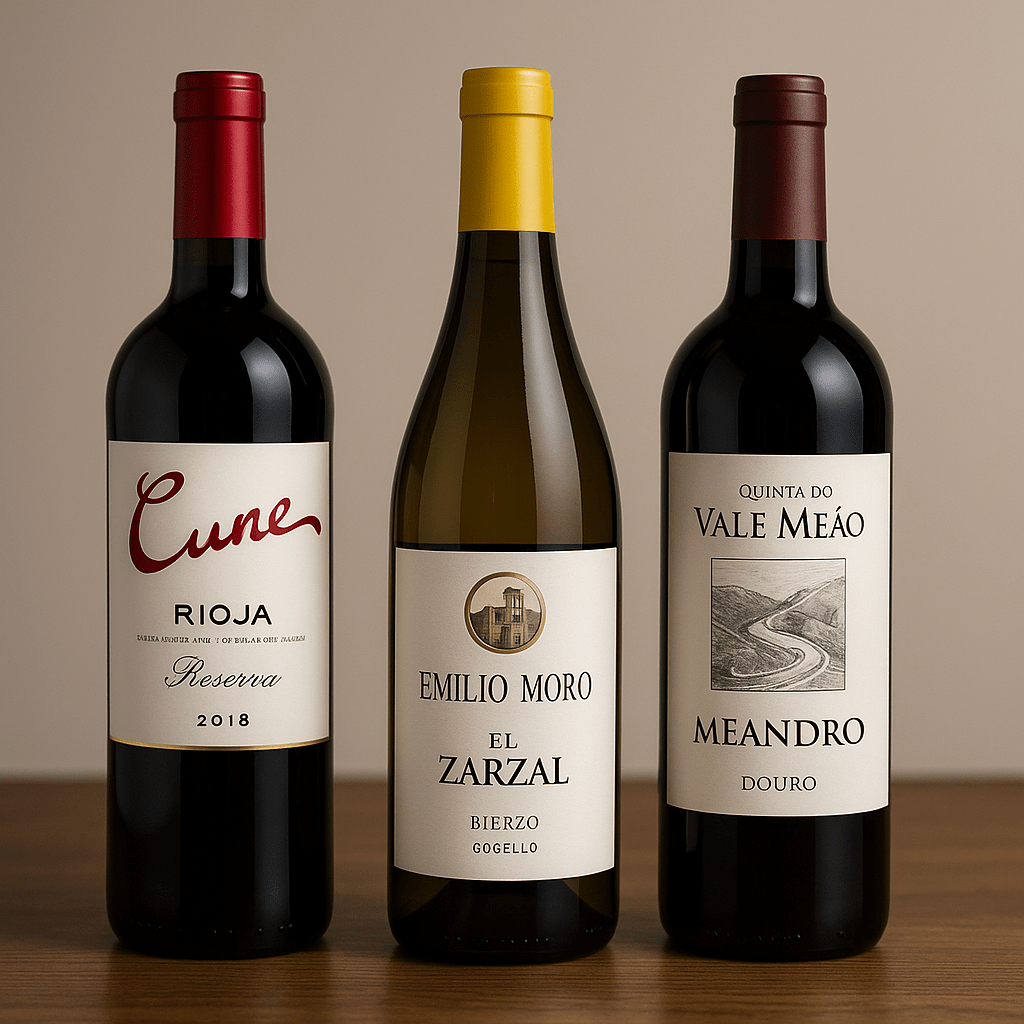
We began with three white wines—Campo Viejo Cava Brut Reserva, Broadbent Vinho Verde White Blend, and Emilio Moro El Zarzal Godello from Bierzo. Together, they offered a broad-brush introduction to the diversity of white wines across the Iberian Peninsula, from sparkling to still, from the Atlantic coast to Spain’s mountainous heartland. These selections represented a more modern interpretation of Iberian whites, which were historically crafted in a slightly oxidative style. Each wine was fresh, vibrant, and accessible—perfectly suited to the evening’s theme of renewal and remembrance. The Godello, in particular, became an instant favorite, introducing many of our guests to one of today’s true sommelier “sweetheart” wines.
Next, the ladies were introduced to the wines of Rioja—lovely, Tempranillo-based reds that showcased the region’s hallmark balance between fruit and oak. This flight was designed to illustrate Rioja’s traditional aging hierarchy while spotlighting the modern stylistic shift taking place across Spain. We began with a Crianza, bright and red-fruited with subtle vanilla tones, offering an approachable introduction to Rioja’s structure. The Reserva followed, displaying deeper concentration and the first hints of savory maturity—spice, leather, and tobacco weaving through the fruit. We concluded the flight with a Gran Reserva, a graceful reminder of how extended oak and bottle aging transform both flavor and texture. Its velvety mouthfeel and layered complexity showcased Rioja’s gift for evolution—proof that patience remains one of the region’s greatest virtues.
To provide contrast and perspective, we next explored a Ribera del Duero, also crafted from Tempranillo—known locally as Tinto Fino—but grown on a high plateau where the vines struggle in thin soils and limited water. The result was a wine of striking concentration and depth: dark fruit, firm tannins, and a structure that speaks to both altitude and adversity. This full-bodied expression of Tempranillo offered a powerful counterpoint to the elegance of Rioja. It’s a style I often recommend for Cabernet Sauvignon lovers who find Rioja too restrained—bold yet balanced, with a sense of energy that reflects the rugged beauty of Spain’s heartland.
Venturing back to Portugal, we tasted two still wines from the Douro Valley: the Quinta das Carvalhas Touriga Nacional Douro and the Quinta do Vale Meão Meandro Douro Tinto—the latter from the historic estate originally founded by our honoree, Doña Antónia Adelaide Ferreira. Both wines were beautifully crafted: bold yet refined, layered with dark fruit, spice, and the hallmark minerality of the Douro’s schist terraces. They served as a wonderful introduction to the region’s still wines, which are too often overshadowed by their fortified counterparts. These wines reminded us that the Douro’s legacy extends far beyond Port—into expressions that capture both the power of the land and the grace of its history.
We ended our tasting on a sweet—and savory—note: a dark chocolate brownie paired with a sea-salt cracker topped with a generous slab of Stilton, served alongside Graham’s Six Grapes Port. While I have a deep appreciation for the vintage Ports of the Douro, I selected this particular bottling for its balance of approachability, quality, and value. Consistently highly rated, it offers a touch of sweetness, full body, and rich fruit that make it an ideal introduction to the style—perfect for both newcomers and seasoned Port lovers alike.
An Evening to Remember
The ambiance brought our theme to life. A vibrant altar adorned with marigolds, candles, photos, and wine corks served as both centerpiece and conversation starter—a symbolic bridge between remembrance and celebration, and proof that wine carries history meant to be shared. The soft sounds of the night and crackling fire mingled with laughter, while candlelight cast a warm glow over tables draped in Iberian reds and golds.
Guests shared stories of their own mentors and memories, finding common ground in the resilience and joy that wine so often inspires. In true Knights of the Vine spirit, the evening blended education and fellowship, reflection and festivity. As glasses were raised one final time—to Doña Antónia, to Madame Clicquot, to Isabelle Simi, and to all women who have shaped the world of wine—we were reminded that legacy is not only something we inherit, but something we continue to create together.

The Wines of the Evening
Each bottling was selected not for prestige, but for craftsmanship, authenticity, and its ability to bring its region to life.
| # | Wine | Region / Country | Grape(s) | Style & Tasting Impression |
|---|---|---|---|---|
| 1 | Campo Viejo Cava Brut Reserva NV | Catalunya, Spain | Macabeo, Xarel·lo, Parellada | Lively and refreshing with citrus and green apple; crisp bubbles and a clean finish. |
| 2 | Broadbent Vinho Verde White Blend 2023 | Minho, Portugal | Loureiro, Trajadura, Arinto | Light-bodied and zesty with hints of lime and white flowers; a quintessential summer refresher. |
| 3 | Emilio Moro El Zarzal Godello 2021 | Bierzo, Spain | Godello | Aromatic, textural, and elegant; ripe stone fruit balanced by minerality and freshness. |
| 4 | Bodegas LAN Crianza 2019 | Rioja, Spain | Tempranillo | Bright red fruit and spice; approachable with fine tannins and a hint of vanilla. |
| 5 | Marqués de Cáceres Reserva 2017 | Rioja, Spain | Tempranillo | Medium-bodied, complex, showing cherry, tobacco, and oak spice. |
| 6 | Cune Gran Reserva 2016 | Rioja, Spain | Tempranillo | Elegant, mature, and layered; soft tannins with notes of dried fruit, cedar, and leather. |
| 7 | Protos Crianza 2019 | Ribera del Duero, Spain | Tempranillo (Tinto Fino) | Full-bodied, dense, and structured; black fruit, mocha, and mineral tones. |
| 8 | Quinta das Carvalhas Touriga Nacional 2019 | Douro Valley, Portugal | Touriga Nacional | Deep purple hue; floral aromatics with black fruit and spice, firm yet polished. |
| 9 | Quinta do Vale Meão Meandro Douro Tinto 2020 | Douro Valley, Portugal | Field blend (Touriga Nacional, Touriga Franca, Tinta Roriz, etc.) | Rich and layered with plum, graphite, and subtle oak; refined and long. |
| 10 | Graham’s Six Grapes Reserve Port NV | Douro Valley, Portugal | Traditional Port varieties | Generous and velvety; blackberry, cassis, and dark chocolate with a lingering sweetness. |


 Sudsy's Cellar