Wine has always evolved. But over the past several decades, the pace—and direction—of stylistic change has accelerated. Across the globe, wines have grown riper, darker, more structured, and often more oak-influenced. Alcohol levels have edged upward. Texture and immediacy increasingly take precedence over restraint.
The question many wine professionals quietly ask is this:
Are these changes driven primarily by climate change—or by market forces shaped by critics, scores, and consumer demand?
The honest answer is not either/or. It is both.
Where Climate Ends and Choice Begins
Climate change is no longer abstract in the vineyard; it is measurable and unavoidable. Earlier budbreak, compressed growing seasons, rising sugar levels, faster phenolic development, and increasing water stress are now common realities across many of the world’s established wine regions.
These shifts naturally influence grape composition and harvest decisions. In many cases, wines are becoming riper not by design, but by necessity.
Yet climate alone does not dictate style.
While environmental conditions define what is possible, they do not determine what is pursued. That distinction belongs to the winemaker—and, increasingly, to the market.
The Market Pull: When Style Becomes Strategy
As global wine markets expanded, a powerful feedback loop emerged between critics, scores, and consumer expectations. Wines that were richer, more expressive, and immediately impactful tended to score well—and sell well. Over time, stylistic preferences hardened into commercial strategy.
Oak regimes shifted. Extraction increased. Alcohol levels crept upward. Even regions historically associated with restraint began producing wines designed to perform on release rather than evolve quietly over time.
These changes were not inherently negative. They were, in many cases, pragmatic responses to a competitive global marketplace. But they also blurred distinctions between regions, encouraging a convergence of style that made wines more recognizable—and sometimes more interchangeable.
The most consequential moment occurs when climate pressure and market incentives move in the same direction. Warmer growing conditions naturally produce riper fruit; market demand rewards richness and intensity. What appears inevitable can, in fact, be amplified by choice.
Same Region, Two Philosophies: Rioja
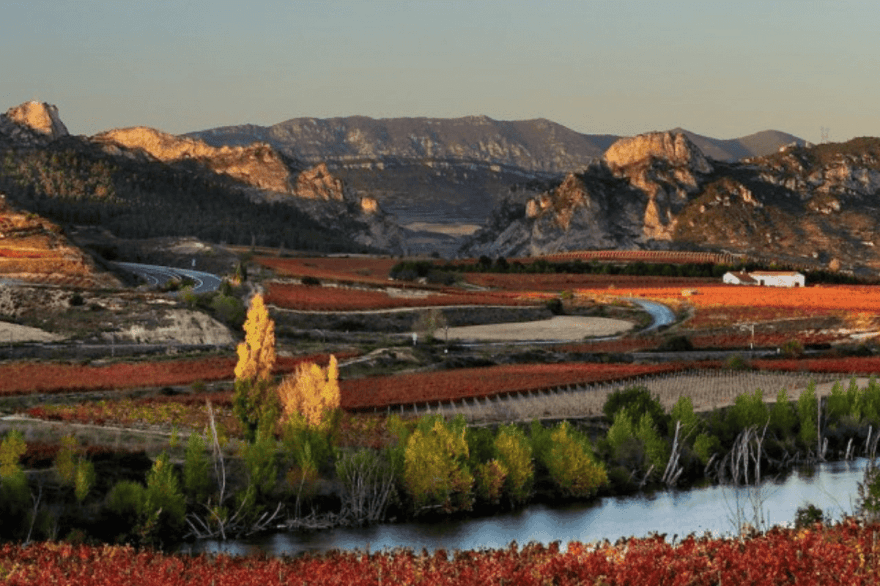
Few regions illustrate this intersection of climate, market forces, and human intention more clearly than Rioja DOCa.
For much of its history, traditional Rioja defined itself not by power, but by patience. Long aging in American oak created an oxidative environment where complexity emerged through time rather than fruit intensity. Extended maturation—often carried out at the winery’s expense—allowed wines to develop tertiary aromas of leather, dried fruit, tobacco, and earth. These wines were typically medium-bodied, softly structured, and released only when considered ready to drink.
Modern Rioja reflects a different set of priorities. While remaining within DOCa aging requirements, many producers shifted toward French oak, shorter maturation cycles, reduced maceration, and increased focus on freshness and structure. Fruit expression became more pronounced; tannins firmer; acidity brighter. Single-varietal bottlings and experimental blends emerged alongside traditional styles.
The result is not a divided region, but a pluralistic one—where philosophy, not regulation, defines expression.
A Quiet Counter-Movement
Alongside these trends, a quieter movement has gained momentum. Some producers, faced with warming conditions, are choosing restraint rather than amplification. Earlier harvests, larger or neutral vessels, gentler extraction, and site-driven decision-making aim to preserve identity rather than polish it away.
These wines may not always dominate tastings or score highest on release. But they reward patience, food, and attention—and they remind us that evolution need not mean homogenization.
Closing: Evolution Is Inevitable. Homogenization Is Not.
Wine will continue to evolve; climate ensures that. But climate does not make stylistic decisions—people do. Vineyard conditions may push grapes toward ripeness, yet it is philosophy, commercial pressure, and producer intent that determine how that ripeness is expressed in the glass.
The most compelling wines today are not defined by whether they are traditional or modern, powerful or restrained. They are defined by clarity of intent. In an era where climate realities and market incentives increasingly align, the risk is not change itself, but convergence—the quiet erosion of distinction in favor of familiarity.
For the drinker, this moment invites curiosity rather than judgment. Asking why a wine tastes the way it does may be more revealing than deciding whether one style is better than another. After all, evolution can deepen identity just as easily as it can blur it—and the difference lies not only in the vineyard, but in the choices made long after the grapes are harvested.
An Exercise in Style: Traditional vs. Modern Rioja
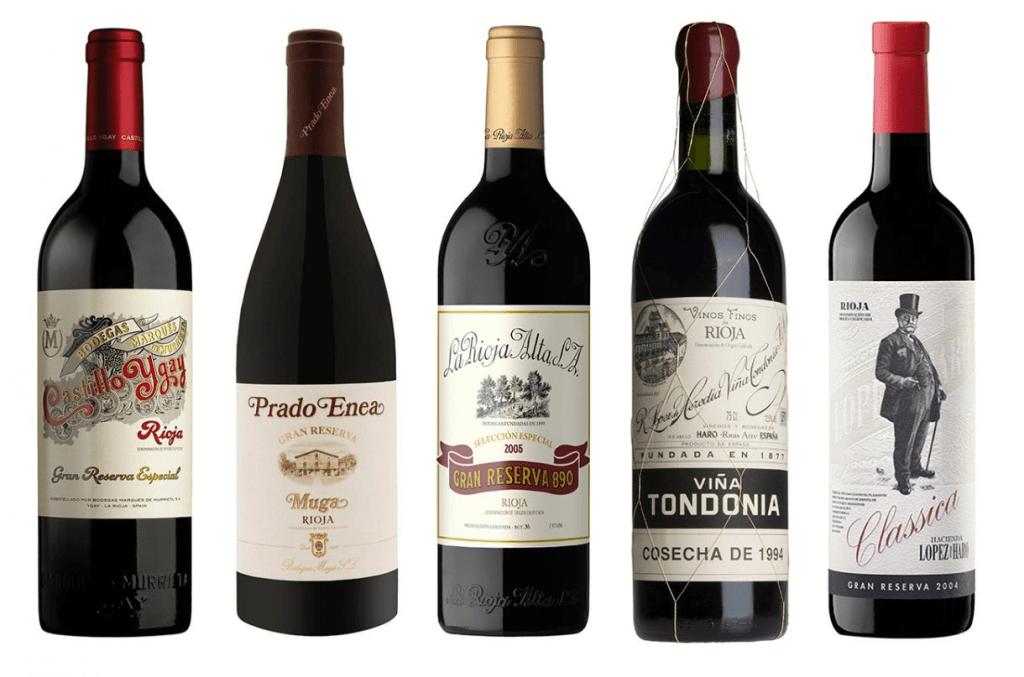
To explore how winemaking philosophy shapes style within a single region, consider tasting wines from producers that represent different approaches within Rioja DOCa. These examples are illustrative rather than prescriptive; they highlight intent, not hierarchy.
Traditional-Leaning Rioja Producers
(Extended aging, American oak influence, late-release philosophy)
- López de Heredia
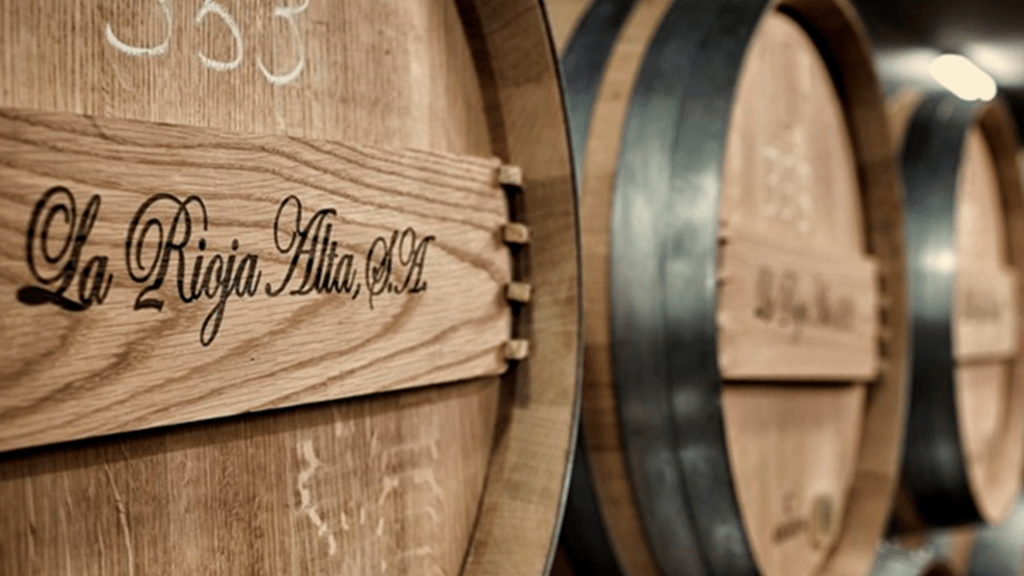
A benchmark for long oxidative aging, American oak, and winery-held releases that prioritize tertiary development and readiness at release. - La Rioja Alta
Classical blending, in-house cooperage, and extended maturation defining traditional Rioja structure, aromatics, and longevity. - CVNE
A historic house whose core bottlings continue to reflect restrained fruit expression and traditional aging practices.
Modern-Leaning Rioja Producers
(Freshness, structure, fruit clarity, and precision)
- Artadi
Site-focused wines emphasizing purity of fruit, reduced oak influence, and early clarity of expression. - Bodegas Muga
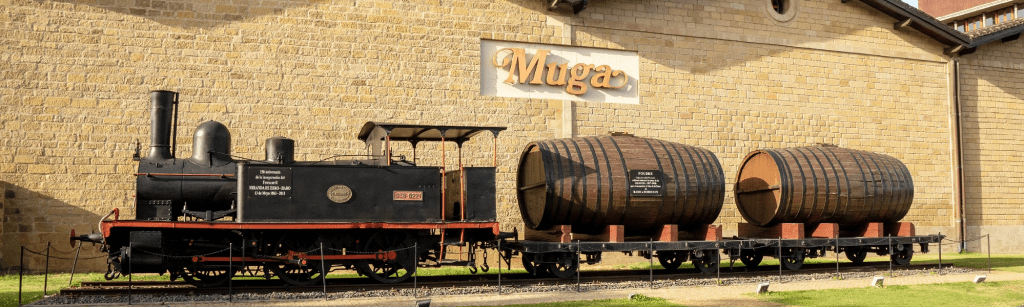
A compelling example of modern Rioja that retains deep respect for tradition—combining contemporary precision, in-house cooperage, and a focus on freshness and structure. - Marqués de Riscal
A historic estate illustrating how traditional roots can coexist with modern techniques and global markets.
How to Use This Exercise
Taste one wine from each category side by side. Focus not on preference, but on why the wines differ:
- How does oak choice influence aroma, texture, and perception of freshness?
- What role does time—both in barrel and bottle—play in complexity versus immediacy?
- How does each wine communicate its intended moment of consumption?
The goal is not to crown a winner, but to understand how climate, market forces, and producer philosophy intersect to shape what ends up in the glass.
I have recently visited the wineries and vineyards of these producers, offering first-hand insight into how philosophy translates from vineyard to cellar.
“These producers illustrate stylistic choices—not quality hierarchies.”
 Sudsy's Cellar
Another insightful article! Love learning how to appreciate wines, especially old world wines. Thanks 😊
LikeLike
Thank you for the kind comment and pleased you enjoyed it. Happy New Year!
LikeLike