In the midst of a global shift toward moderation in alcohol consumption, it’s hard not to raise an eyebrow at the persistence of 15.5% ABV wines — particularly from regions like Napa Valley. As consumers increasingly seek balance, freshness, and food-friendly wines, one wonders: Has Napa missed the memo?
“Elegance isn’t weakness; it’s refinement. And that may just be Napa’s next great challenge.”
There was a time when Cabernet Sauvignon from Napa struck a beautiful balance — supple, expressive, and food-compatible. Today, many bottlings surge past 15% alcohol, delivering power, yes — but also a palate burn that lingers long after the last sip. Try pairing that with a classic roast or even a modest charcuterie board, and the match often falls apart. At a recent visit, several producers spoke proudly of crafting powerful, extracted wines aligned to critical scoring systems — still chasing ratings.
So, why the stubborn trend toward elevated alcohol?
It’s partly historical. Napa’s success in the 1990s and early 2000s was built on boldness — ripe fruit, generous oak, and big scores. Critics rewarded volume and weight. But that style, while once fashionable, feels out of sync with the current wine climate — both literally and figuratively.
Climate change hasn’t helped. Warmer seasons push sugar accumulation ahead of phenolic development. Winemakers either harvest early and risk green flavors, or wait and face wines that spiral past 15.5% ABV. Without thoughtful viticulture — canopy adjustments, rootstock selection, maybe even vineyard relocation — the default path is often more alcohol.
“High alcohol isn’t just a number — it’s a sensory force that can overshadow nuance, dull acidity, and exhaust the palate.”
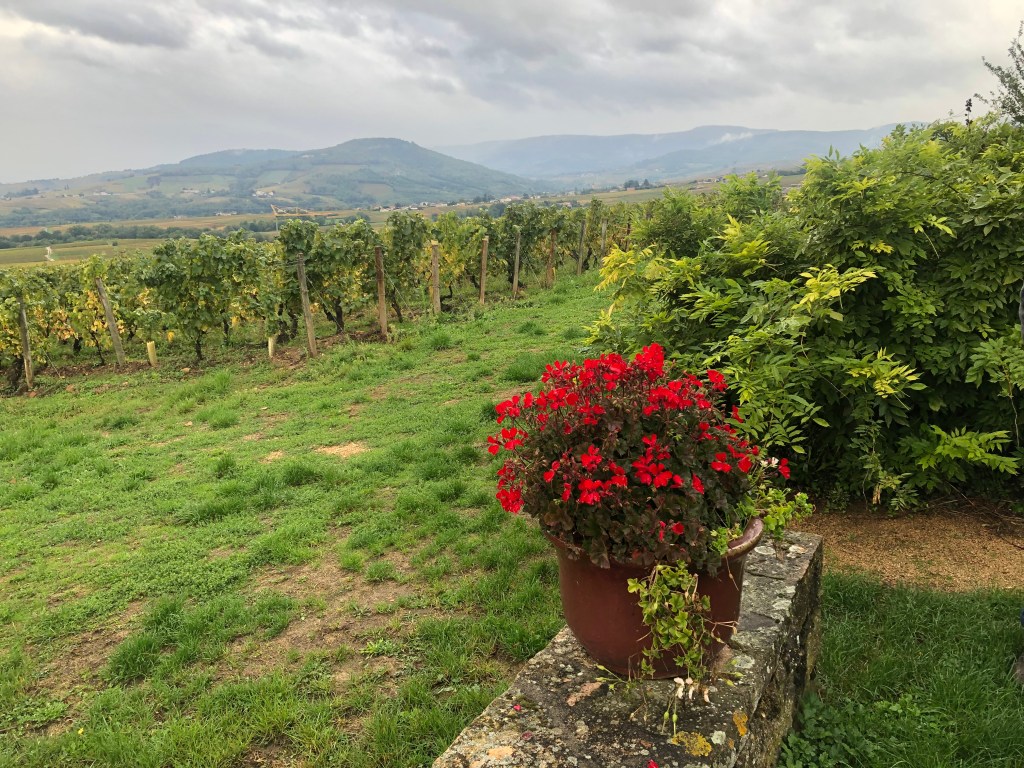
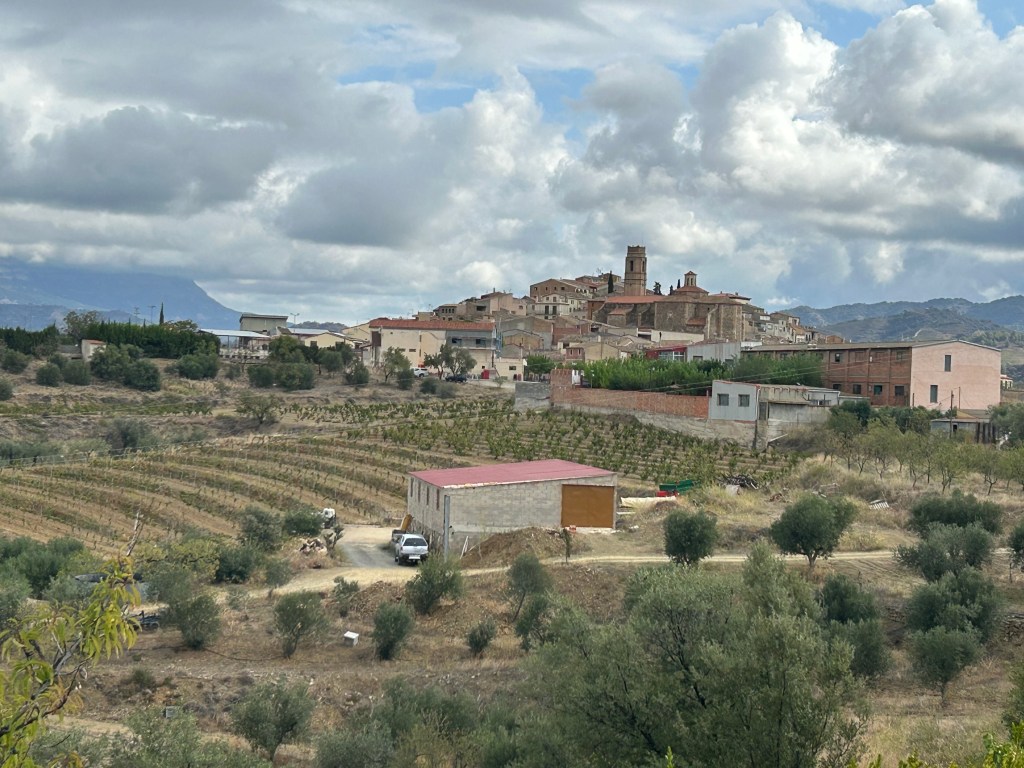
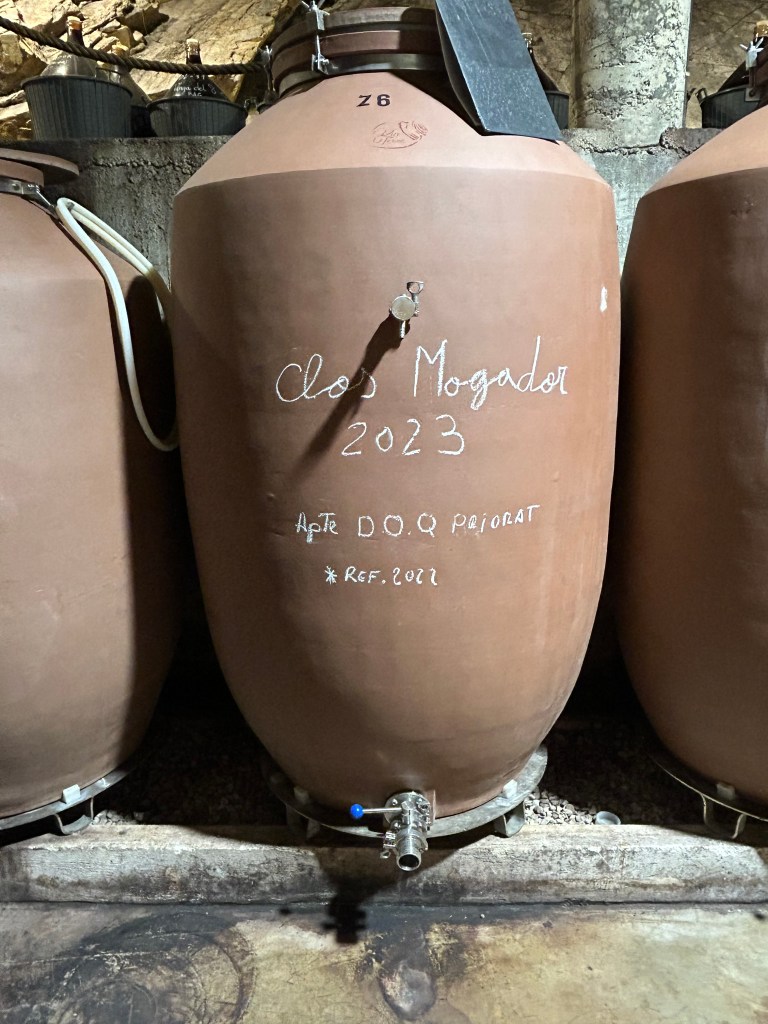
And yet, around the world, we see producers adapting. Burgundy’s elegance remains intact through strategic vineyard management. Champagne producers manage ripeness while preserving freshness. Even in historically warm regions like Priorat, stylistic shifts are underway toward lift and restraint.
To be fair, Napa is not static. Some producers are shifting. We see lighter expressions emerging from mountain AVAs and cooler pockets like Coombsville. But as long as high-alcohol styles are rewarded by critics and expected by collectors, many wineries remain locked into that identity.
In today’s wine culture — where sustainability, health, and food pairing matter more than ever — there’s a growing place for wines that speak softly rather than shout.
More concerning than the sheer alcohol percentage is the imbalance it creates in the glass. Alcohol is inherently sweet, and when combined with ripe fruit or residual sugar, the perception of sweetness intensifies — even in ostensibly dry wines. To compensate, many producers lean into heavier oak usage, which can impart bitterness when layered over high alcohol and dense fruit. Instead of harmony, the wine can feel fragmented — with sweetness, bitterness, and warmth competing for dominance, while acidity, the lifeline of structure and refreshment, gets lost in the mix.
“Balance doesn’t mean less — it means more of what matters: freshness, structure, and soul.”
While Napa often favors an opulent, high-alcohol style in its Cabernet Sauvignon — showcasing ripe fruit, rich tannins, and generous oak — regions such as Burgundy and many cool-climate zones in California emphasize restraint and elegance, particularly in Chardonnay and Pinot Noir. These wines offer finesse, vibrancy, and nuance. They may not shout, but they sing.
Both styles have their place. Opulence appeals to consumers who seek intensity and richness. Restraint caters to those who prefer freshness and delicacy. Importantly, neither style is inherently superior; rather, they reflect differences in climate, vineyard management, winemaking philosophy, and market demand.
With climate change driving warmer vintages and consumers seeking moderation and balance, Napa has an opportunity — and a responsibility — to evolve. We’re already seeing signs of that. A new chapter of Napa winemaking could embrace diversity of style, with both opulent and restrained Cabernets thriving side by side.

 Sudsy's Cellar