Spain’s wine industry has undergone significant transformation, evolving from a land dominated by blended wines to one increasingly focused on single-vineyard expressions. While traditional Rioja has long been defined by its aging classifications—Crianza, Reserva, and Gran Reserva—some producers are carving a different path. Among them, R. Lopez de Heredia Viña Tondonia stands as a beacon of tradition, offering single-vineyard wines while maintaining the prestigious DOCa designation.
Rioja’s climate is unique within Spain. Unlike much of the country, which is dominated by Mediterranean warmth, Rioja benefits from a continental climate, bringing cooler temperatures and increased rainfall. This allows grapes to develop bright acidity, a hallmark of the region’s wines. The towering Cantabrian Mountains play a crucial role in defining Rioja’s terroir, trapping moisture and preventing hot Mediterranean influences from overwhelming the vineyards.
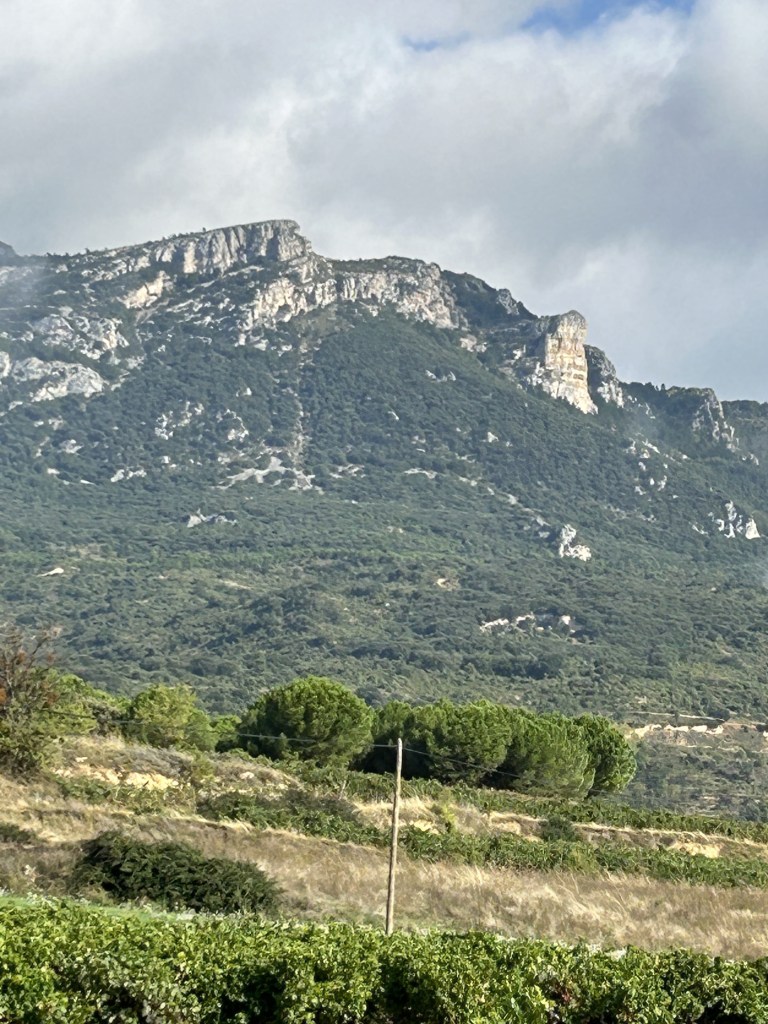
Rioja is divided into three subregions:
- Rioja Alta (near Haro) – High altitude, producing wines with great acidity.
- Rioja Alavesa – Slightly lower in elevation and a bit wetter.
- Rioja Oriental – Warmer, with more Mediterranean influence, resulting in riper fruit and softer acidity.
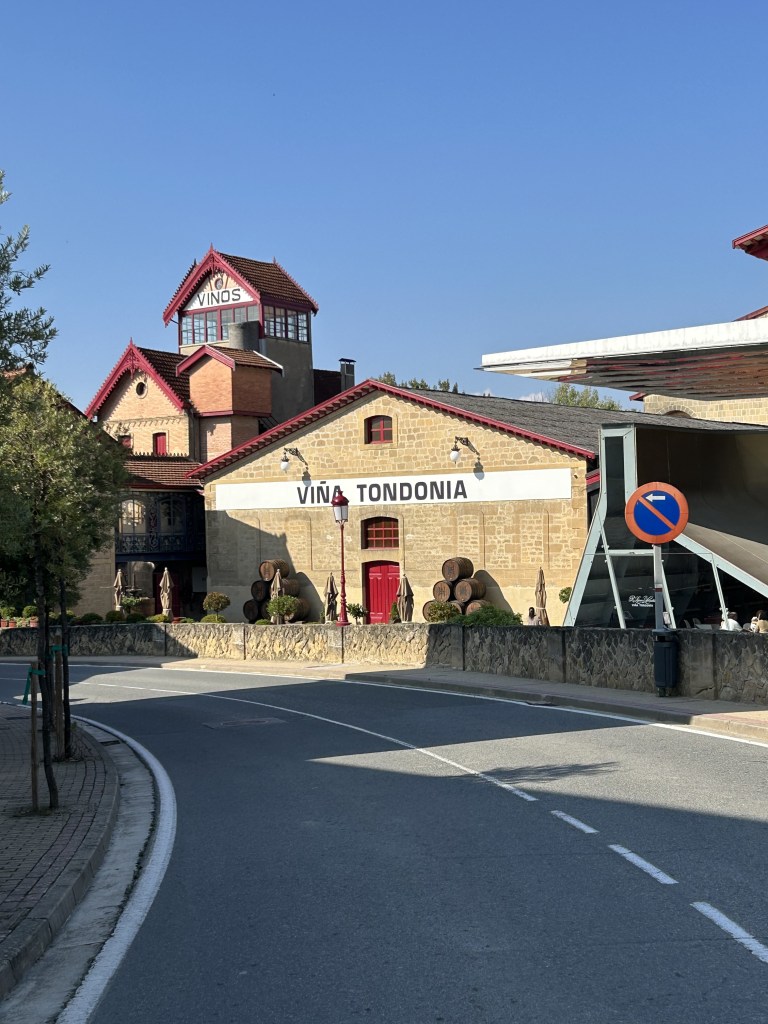
Haro, the epicenter of Rioja’s wine culture, is home to some of Spain’s most iconic wineries, including Muga, CVNE, La Rioja Alta, and, of course, R. Lopez de Heredia. These wineries cluster in the historic Barrio de la Estación, where wines were historically shipped by rail to the rest of Spain and beyond. The town’s significance in Rioja winemaking history is unparalleled, housing some of the most renowned producers who have shaped the region’s legacy. A joy to visit!
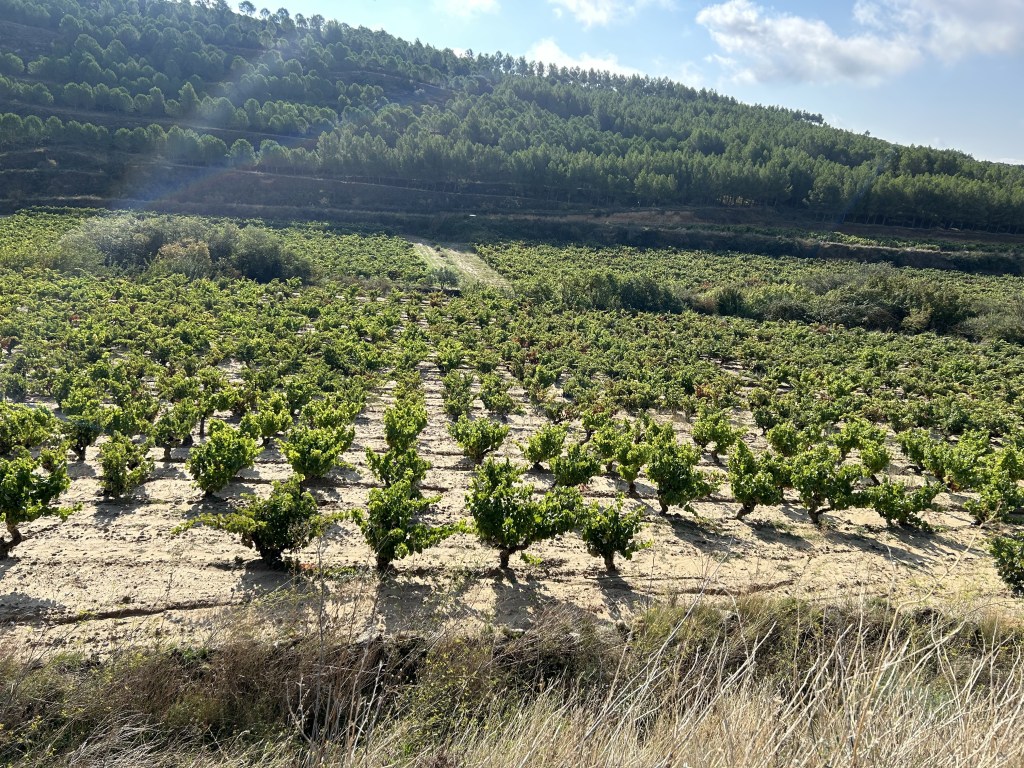
Founded in the late 1800s, R. Lopez de Heredia has steadfastly adhered to time-honored winemaking techniques. Their estate includes the revered Viña Tondonia vineyard, a 100-hectare (250-acre) site uniquely positioned along the Ebro River. The river encircles the vineyard like a moat, providing natural protection and enhancing its microclimate. The name “Tondonia” itself means “round,” reflecting this natural geographical feature.
Unlike many modern Rioja producers who embrace stainless steel fermentation and new French oak, Lopez de Heredia remains committed to traditional methods:
- Natural Fermentation – Utilizing indigenous yeasts present on the grapes and in the winery.
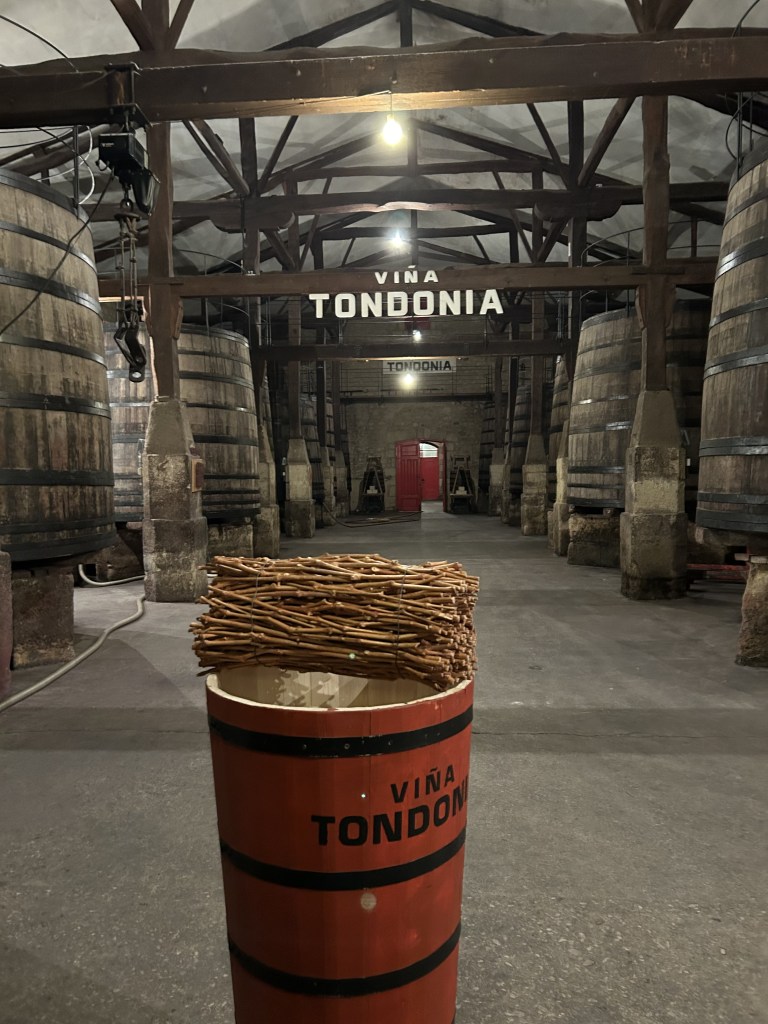
- Aging in Old Barrels – In-house cooperage ensures quality control, and extended barrel aging imparts complex oxidative notes.
- Use of Vine Clippings in Fermentation – Similar to Burgundian whole-cluster fermentation, this practice enhances tannic structure and depth while promoting the presence of natural yeasts in the fermentation process.
While Rioja is best known for its reds, the region also produces remarkable white wines. Lopez de Heredia’s Viña Tondonia Blanco is an extraordinary example, undergoing extended aging to develop rich, nutty, oxidative characteristics akin to Vin Jaune from Jura, traditional Sherry, and aged White Burgundy. Stored in the winery’s special cellar, bottles of each vintage are preserved, showcasing the longevity and evolution of these unique wines.

The winery’s commitment to sustainability is evident throughout their viticulture and winemaking practices:
- No chemical treatments – They employ cover crops, composting, and manual vineyard work to maintain soil health.
- Dry farming – Encourages deep root growth, ensuring resilience in drought conditions.
- Minimal sulfur use – Their wines contain only 50 mg/L of SO2, significantly lower than the EU’s 200 mg/L limit.
- Spiders as natural pest control – Instead of using chemical pesticides, they allow spiders to thrive in their cellars, reducing unwanted insects.
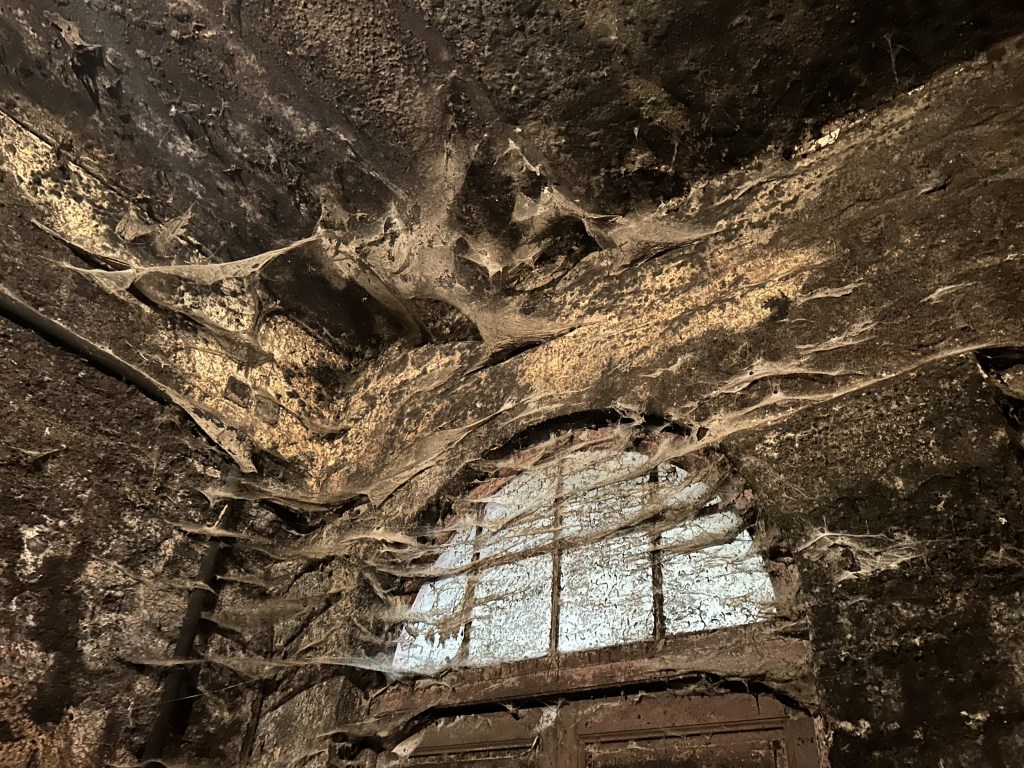
- Aging Cellars with Natural Humidity and Temperature Control – Built in the late 1800s, their facilities are designed to naturally regulate conditions for optimal aging.
- In-House Cooperage – Maintaining their own barrels ensures quality control and minimizes the need for external resources.
- Lopez de Heredia does not release a Gran Reserva every vintage; only the finest years merit this designation. Among the most legendary vintages is the 1964 Gran Reserva, often hailed as one of the greatest wines of the 20th century. Tasting a 39-year-old bottle of this vintage was a pivotal moment in my personal wine journey—though at the time, I had no idea of its historical significance!
While Lopez de Heredia champions traditional Rioja, modern producers have embraced technological advancements, creating fresher, fruit-forward wines. Examples include:
- Crianza Wines – Such as those from CVNE, Viña Real, and Muga, which use shorter aging and newer oak to highlight bright fruit flavors.
- Use of Stainless Steel – Enhancing freshness and preserving varietal purity.
- French Oak Aging – Many producers opt for French oak to appeal to international palates.
R. Lopez de Heredia Viña Tondonia exemplifies the power of tradition in an evolving wine landscape. Their commitment to time-honored techniques, single-vineyard expressions, and sustainable practices ensures that each bottle tells a story of Rioja’s rich history. Whether comparing their wines to modern counterparts or simply enjoying their beautifully aged releases, one thing is certain: Lopez de Heredia’s wines stand as a testament to the enduring legacy of Rioja.
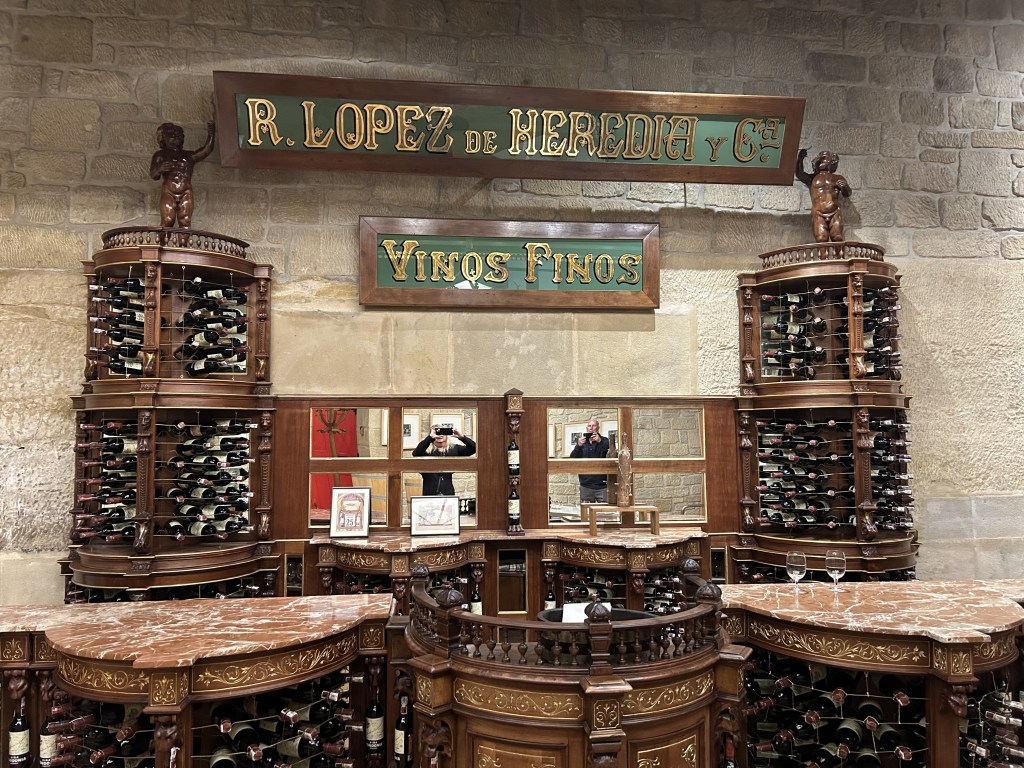
Have you had the opportunity to taste R. Lopez de Heredia wine? I was able to visit the winery in September during crush to learn first-hand about this historic producer. The restrained alcohol level and the clarity and silky texture that extended aging creates in the wine is amazing. I encourage you to share your thoughts and experiences in the comments below!
 Sudsy's Cellar