I spent an evening evaluating a lineup of old Napa Cabernets and kept returning to the oldest wine in the lineup. Remarkably well made for its age, it continued to hold my attention. The next morning, I learned I had been drinking the inaugural vintage of Opus One.
At a Glance
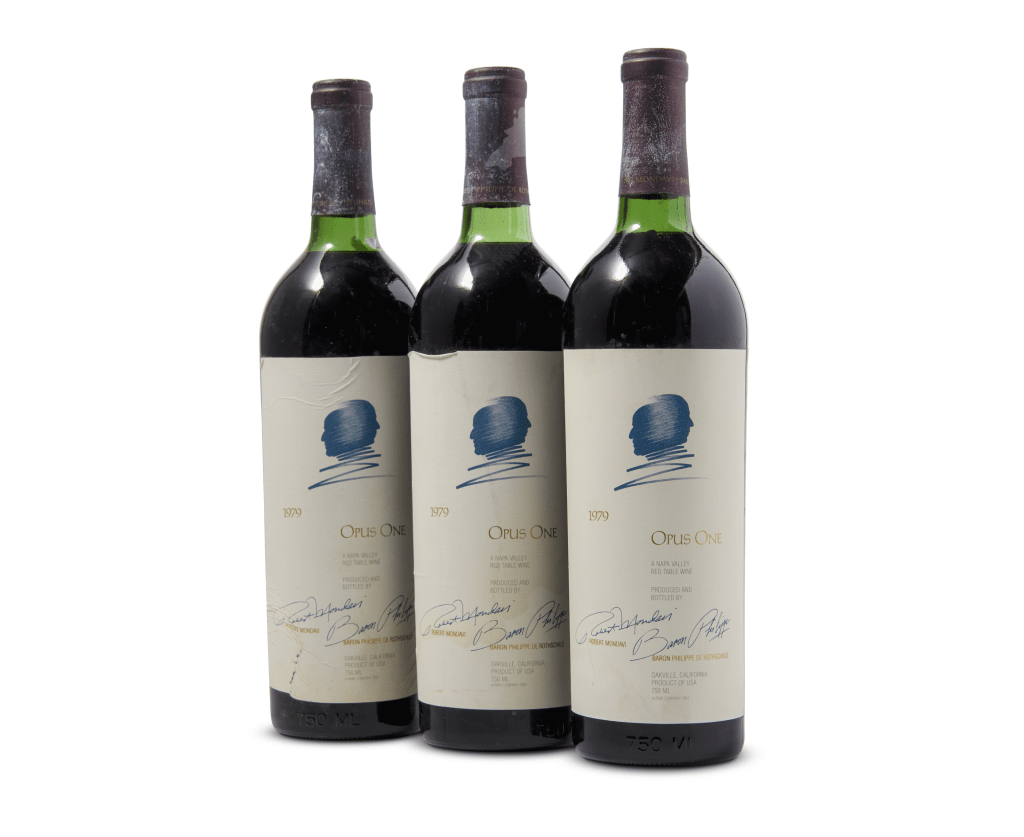
Wine: Opus One 1979
Age: 46 Years
Color: Garnet with sediment; brighter than expected
Aromas: Mint, bottle-aged complexity, oxidative development
Palate: Faded fruit, integrated oak, retained structure and weight
Conclusion: Past its peak, yet still capable of telling its story
The Bottle That Kept Calling Me Back
Recently, we joined friends for an evening of wine and appetizers. As often happens when longtime collectors begin opening bottles that have accompanied them through decades of life, the table became a walk through Napa Valley history. Among the bottles were Groth, Silver Oak, Inglenook, and several others.
One bottle in particular kept drawing my attention: Opus One 1979.
The cork required an Ah-So to remove. In the glass, the wine showed a garnet color with visible sediment and more brightness than I expected from a 46-year-old Cabernet blend. Before pouring, I spent time smelling the bottle opening, as I often do with older wines. While all the bottles offered interesting aromas, I found myself repeatedly returning to the Opus. Despite its age, there was still a lively layer of complexity rising from the neck of the bottle.
My initial impression in the glass was less encouraging. The nose seemed tired and somewhat reductive, showing minty notes along with a faint moldy character that may have reflected the condition of the cork. The wine was clearly showing oxidative development, yet it was far from dead.
Thirty Minutes Changed Everything
Rather than rush to judgment, I let the wine sit in the glass.
Thirty minutes later, the story changed.
The reductive notes had subsided, revealing a wine that had moved beyond its prime drinking window but still carried evidence of what it once had been. The fruit had largely faded, yet hints of former richness remained. The palate retained respectable weight, the oak had long ago integrated into the wine’s structure, and the finish remained surprisingly intact without the excessive bitterness that old phenolics can sometimes display.
When the group asked what I thought, I replied that for a 46-year-old Napa wine, what remained in the glass demonstrated exceptional craftsmanship. While I personally prefer a wine with more fruit than remained here, the fact that it was still drinkable—and still interesting—spoke volumes about its quality.
“Even in a bottle that was clearly past its peak, the wine still possessed enough structure, balance, and character to communicate its origins.”
The Morning After
The surprise came the next morning.
While reading about the partnership between Robert Mondavi and Baron Philippe de Rothschild, I discovered that 1979 was the inaugural vintage of Opus One.
Only then did I realize I had spent the evening with a piece of California wine history.
What struck me most was that I had evaluated the wine before I knew its significance. Had I known I was tasting the debut vintage of one of Napa Valley’s most influential wines, it would have been easy to view it through the lens of reputation. Instead, I simply tasted what was in the glass.
Interestingly, I later discovered that other well-preserved bottles of the 1979 vintage are still showing enough life to impress experienced critics. My bottle was likely more evolved, a reminder that bottle variation becomes increasingly significant as wines approach half a century of age. Yet that fact only reinforced my conclusion.
Why Old Wine Matters
It no longer shouted, but it still had a voice.
As wine lovers, we often ask whether an old wine is still alive. The 1979 Opus One reminded me that perhaps the better question is whether a wine still has a story to tell.
This one did.

