Gambero Rosso’s ‘Tre Biccheri’ in San Francisco 2024

“Tre Bicchieri” translates to “Three Glasses” in English. It is a prestigious wine award given by the Italian wine guide, Gambero Rosso, a leading authority on Italian wine. Their annual Vini d’Italia (Wines of Italy) guide is highly regarded in the industry.

So, what does the term really mean? The “Tre Bicchieri” award is bestowed upon wines that are considered outstanding, with a rating of three glasses being the highest honor. More than 70 expert tasters comprise the team that blind-tastes 45,000+ wines annually, rating them on a scale of one to three glasses (bicchieri). Of these many thousands of wines, fewer than 1% achieve the Tre Bicchieri designation, a ranking reserved for only the best wines from each vintage. Each tour stop also includes a set of Master Classes, which spotlight different regions of Italy and the most exciting grapes and wines emerging from those regions.

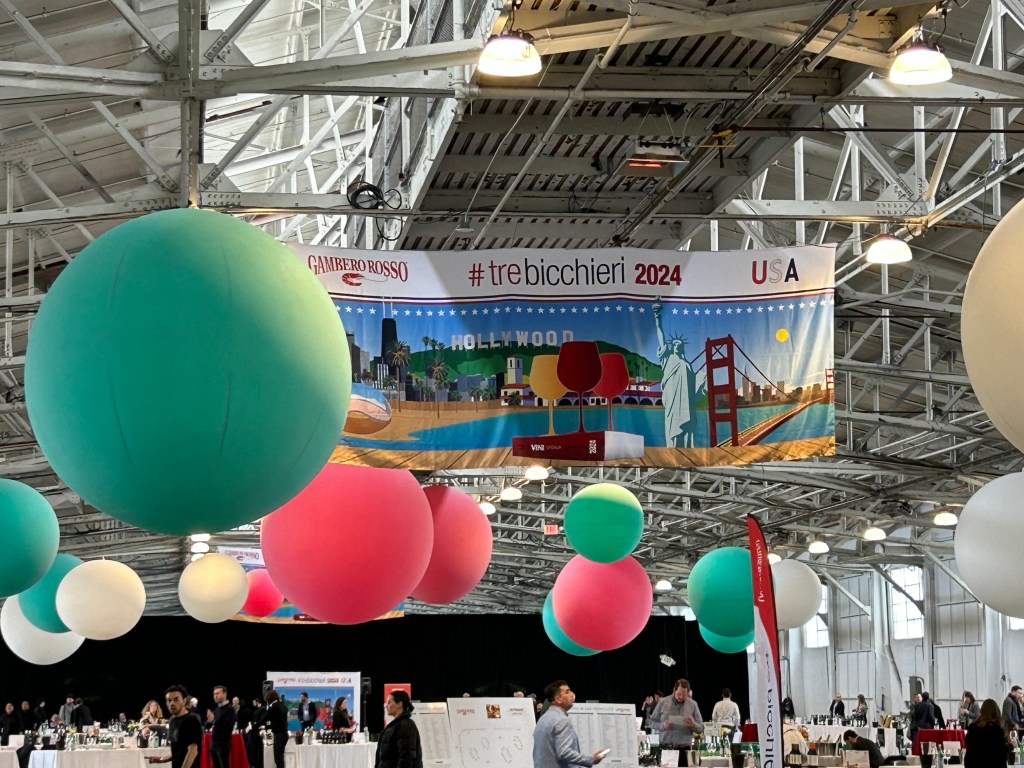
Gambero Rosso hosts events and tastings in different parts of the world, showcasing Italian wines across Italy, including those that have received the prestigious Tre Bicchieri recognition. The San Francisco tasting was held at the Fort Mason Festival Pavillion with the San Francisco Bay as the backdrop. Slated for industry professionals, it provides an opportunity to explore and appreciate the diversity and excellence of Italian wines. It also provides an opportunity for producers to showcase their wines to wine importers, wholesale buyers, retailers, restaurateurs, educators and the press. 

A wealth of information is provided by enthusiastic owners and winery representatives. In this instance, these particular wines have not yet arrived at the distributor for sale, so an advance preview of wonderful wines to come!

Three wines, same producer, different vineyards, very different aromatic profiles. A side by side tasting complete with a detailed map of the area so the representative could talk about the individual vineyards, elevation, and aspect that make these wines a standout.

There were approximately 90 tables (producers) with 2 to 4 wines at each station available to taste. It was a wonderful experience as always (I always select a theme as I cannot taste everything), and this year I concentrated my tasting on the Piedmont and Chianti areas (although I must admit I am fascinated by the 100% Cabernet Franc wines coming out of various areas in Italy and just had to sample a few).

View the list of wineries and wines at:

https://gamberorosso.us/wp-content/uploads/2024/02/folder-san-francisco.pdf

Follow-up to the Bolgheri tasting in November…..

The goal of this tasting event was to learn about the terms Toscana and Super Tuscan and the wines in those categories, what Superiore implies, to explore the Wine Classification system in place in the region, how IGT began so producers did not have to label their wines as simply table wine, as well as ‘meeting’ some of the players in this class. For the tasting experience, we moved from wines with Sangiovese in the blend to all Bordeaux varietals, and finally circled back to Tuscany, finishing with Antinori’s Tignanello. It was quite a journey.

While this was an ‘armchair’ adventure, the pictures of the beautiful countryside, the sea, amazing vineyards and castle like chateau, coupled with stories of some of the most iconic Italian producers that took their dream of crafting Bordeaux style wine from the windswept lands that touch the Tyrrhenian Sea into a cult reality, it proved to be a heady tasting.

To recap, the following are the wines tasted:

2019 Michele Satta Cavaliere (100% Sangiovese) $60

2020 Gaja Ca’ Marcanda Magori (65% Cabernet Franc, 35% Cabernet Sauvignon and Petit Verdot) $80

2020 Podere Grattamacco Superiore (65% Cabernet Sauvignon, 20% Merlot, 15% Sangiovese) $130

2020 Ornellaia Frescobaldi (50% Cabernet Sauvignon, 32% Merlot, 13% Cabernet Franc, 5% Petit Verdot) $270

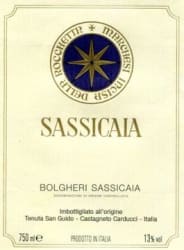
2020 Tenuta San Guido Sassicaia (85% Cabernet Sauvignon, 15% Cabernet Franc) $270

2020 Tua Rita Per Sempre Syrah (100% Syrah) $249

2019 Antinori Tignanello (80% Sangiovese, 15% Cabernet Sauvignon, 5% Cabernet Franc) $180

To be clear, there was not a bad wine or a wine that any one or more attendee did not like. It was a journey through and an introduction to the various expressions of varietals found in this region, followed by a discussion of the success this area has enjoyed. 

For me, personally, it was my first taste of Sassicaia and I loved it. The fruit was ripe and the flavors lush, but not overblown. The purity of the fruit stood out and the finish was superb, the wine restrained and elegant, not fruit forward like a California Cabernet. I also enjoyed the Grattamacco as I love how the marriage of Bordeaux varietals and Sangiovese seem to bring two worlds together, giving the wine an uplift and added structure. And, I fell in love with Tignanello several years ago, so I am biased as I make sure I collect and cellar several bottles each vintage. The surprise was the 100% Syrah wine from Tua Rita. It was inky and rich and the first 100% Syrah bottling I have had from this region. A true standout!

They say that a given situation can form a lasting memory in your mind, and I would place this tasting in that category. Good people, great wines, fantastic food created to play well with the wines, and wonderful pictures and stories of this beautiful area along the sea. Seeing the vines curve along the hillsides and down to the sea, knowing that the marshy land was drained to make viticulture a reality (as happened in Bordeaux a long time ago), with iconic winemakers and their vision of what the area could become. Their wines have shown to be carefully crafted and have gained worldwide appeal and accolades. This was a tribute to their efforts!

While these are not most people’s ‘Wednesday night wines’, I encourage you to gather some friends and try a couple of these bottlings to learn about this exciting region! You will not be disappointed…

Bolgheri…tasting the stars of the Tuscan coast

The creation of Bolgheri wines began quite recently in wine history with Sassicaia created in 1968, Tignanello in 1971, and Ornellaia’s first release in 1985. They were labeled ‘Super Tuscans’ and introduced Bordeaux varieties such as Cabernet Sauvignon and Merlot to the blend. French oak barrels were utilized where Slovenian Oak was the standard. Crafting wines using varietals not allowed, the wines could only be labelled ‘vino da tavola’ (table wines) as they did not comply with DOC rules that required a high percentage of Sangiovese. These ‘rebel’ vintners brought notoriety and fame to these wines and hence the creation of Super Tuscan wines which caught the attention of premium wine consumers, particularly in the international markets. With deep color, fruity characters, spice from French oak barriques, careful use of blending across Bordeaux varietals (which piggybacked on the reputation and success of Bordeaux wines), the Super Tuscans began to achieve fame and reputation across the globe. Today, these wines are sought after by collectors and fine wine merchants around the world.

Validation of the quality and reputation came in 1994 when Bolgheri was awarded its own DOC and, in 2013 Bolgheri Sassicaia DOC was created with Sassicaia the only wine produced in the appellation.

The ability to produce these highly reputable wines is, in large part, due to the growing environment. The Bolgheri region is located on the western coast of Tuscany, with a warm Mediterranean climate but with cooling influences from the sea at night. This results in a long growing season and fully ripe grapes. The region has elevation of up to 400m but the whole region benefits, regardless of altitude, from these cooling sea influences (diurnal range, retains acidity, slow ripening for higher concentration, creating intense flavors). Rain is sufficient to grow grapes and spread throughout the season, but irrigation is also allowed. Plantings are typically high density to increase competition and naturally reduce yields. Soils are diverse and rocky much like the Left Bank of Bordeaux.

Bolgheri Sassicaia DOC has perhaps the finest reputation of them all. It is a single estate (Tenuta San Guido), and the flagship wine is Sassicaia (with Ornellaia hailing from the property right next door). These wines have soared in reputation and stand alongside the most famous Chateaux of Bordeaux.

To experience this region, I’m leading a tasting of the following wines on November 19, 2023 for the Internal Wine & Food Society. The selected wines are as follows (and listed in the order to be tasted):

2019 Michele Satta Cavaliere (100% Sangiovese) $60

2020 Gaja Ca;Marcanda Magori (65% Cabernet Franc, 35% Cabernet Sauvignon and Petit Verdot) $80

2020 Podere Grattamacco Superiore (65% Cabernet Sauvignon, 20% Merlot, 15% Sangiovese) $130

2020 Ornellaia Frescobaldi (50% Cabernet Sauvignon, 32% Merlot, 13% Cabernet Franc, 5% Petit Verdot) $270

2020 Tenuta San Guido Sassicaia (85% Cabernet Sauvignon, 15% Cabernet Franc) $270

2020 Tua Rita Per Sempre Syrah (100% Syrah) $249

2019 Antinori Tignanello (80% Sangiovese, 15% Cabernet Sauvignon, 5% Cabernet Franc) $180

We will learn about the terms Toscana and Super Tuscan and what wines fit into that category as well as Superiore. We will explore the Wine Classification system in place, how IGT began so producers did not have to label their wines as simply table wine, the bottom rung of the Italian hierarchy, as well as some of the players in this class. We will move from wines with Sangiovese in the blend to all Bordeaux varietals, and finally circle back to Tuscany with Antinori’s Tignanello, a beautiful wine.

I’ll report back after the event with what thoughts and ideas we took away from this amazing line up of cult wines!

El Dorado County Fair Commercial Wine Competition 2023

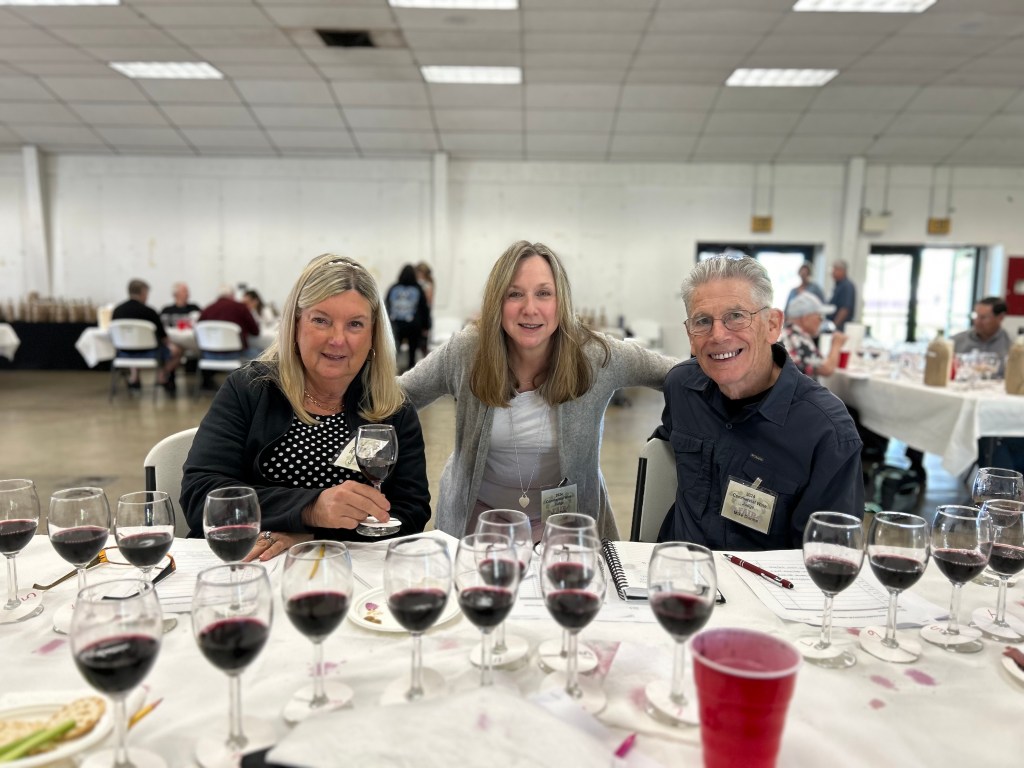
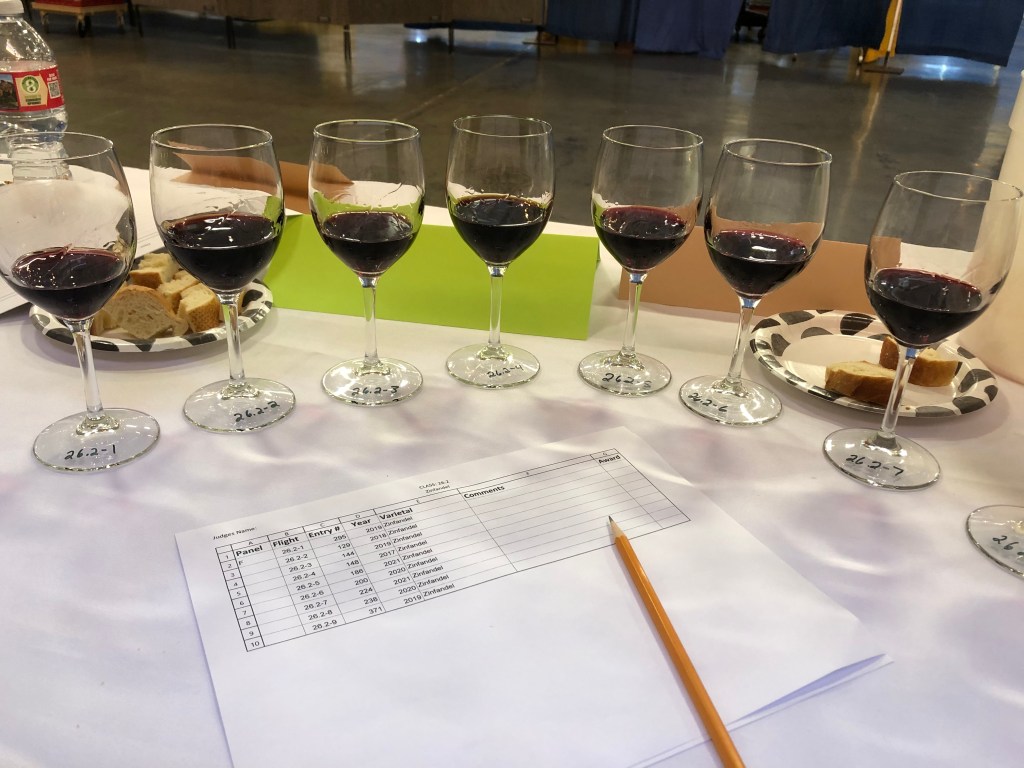
This well-run competition, judged by industry experts, is well respected among consumers and winemakers alike.  All wines are tasted blind by the judging panel(s), first individually and then final results as a consensus.   The medals awarded boost consumer confidence as judges have no affiliation with the wineries and score simply on the merits of the wine in the glass.  As such, these awards are coveted by the wineries and boost consumer interest in their award-winning wines thereby increasing sales.

The competition also provides an opportunity for valuable feedback from judges who evaluate based on various criteria such as aroma, taste, balance, and complexity.  This feedback can help winemakers refine their techniques, improve their wines, and understand how they measure up against their peers.  It provides a platform for benchmarking, or comparing, their wines against others in the same category or region.  A winery can then evaluate their products and standing in the market, providing valuable insights for future production and development.

Lastly, consumer education is an additional perk as the wines are showcased during the fair itself, allowing an opportunity for sampling or viewing the medal winners, and providing an opportunity to learn more about different styles, varietals, areas, and vineyards.  This greatly contributes to consumer education and appreciation of wine.

A perk not often mentioned is that published results of a competition allow consumers to see awarded wines and wineries by clicking on the competition website (https://eldoradocountyfair.org/pdfs/wine/2023_EDC_Fair_Wine_Comp_sorted_winery-award-entry.pdf).  This provides an amazing resource when planning a visit to the area and helps in the selection of wineries to visit and wines to seek out to taste.  If you do so, be sure to mention you read about their accolades and awards and decided to visit and taste their award-winning wines!

While you can view the results at the link provided above, the following wineries are noteworthy because of the number of wines entered as well as their impressive results:

Jeff Runquist Wines was awarded 4 Best of Class (BOC) Awards, 7 Double Gold Medals and 6 Gold Medals. To view the entire list of their awards, go to: https://eldoradocountyfair.org/pdfs/wine/2023_EDC_Fair_Wine_Comp_sorted_winery-award-entry.pdf

Macchia Winery in Lodi, California, was awarded 6 Best of Class (BOC) Awards, 8 Double Gold Medals and 5 Gold Medals.  To view the entire list of their awards: https://macchiawines.com/competitions-%26-awards

https://macchiawines.com/

FULL DISCLOSURE:  I was a panel judge at the competition and have participated as such for several years.  The competition is a great snapshot of the wonderful wines being crafted in the area.  It is a beautiful spot to visit with tons of history and I always enjoy my sleepover at the Historic Cary House Hotel the night before the competition as well as dinner at Heyday Cafe where we love to celebrate my husband’s birthday!  It is definitely a diamond in the rough!

Historic Cary House Hotel:  http://www.caryhousehotel.com/#/

Heyday Café:   https://www.heydaycafe.com/

What fun and delicious wines will grace your Thanksgiving table?

I am certainly looking forward to enjoying Thanksgiving Dinner with family and friends. However, I am going to change up the wine offerings this year. As the dishes served are standard Thanksgiving fare offered and anticipated as well as those family favorites, I do not want to mess with the menu or the family ‘food traditions.’

To keep it simple, I will be serving the following:

For the happy hour (before the serious eating commences):

Veuve Cliquot Demi Sec NV – this Champagne is lush on the palate and has enough sweetness to soften the acidity with just a touch of yeasty character. The mousse is lively and gives the champagne a delightful crispness not expected in a demi sec. The aromas and flavors evoke peach, caramel, pear, and Meyer lemon, which linger beautifully, and the finale is a long, pleasant finish. It is a delightful Champagne and will please both connoisseurs as well as those new to this style.

I recently purchased this at Total Wine & More for $65 for a 750ml bottle (with the ‘buy six’ discount). If you do not need a whole bottle, it is also available in a half bottle size (www.wine.com). Serving in a beautiful champagne flute or Grandma’s cut crystal will add elegance and scream festive! This beautiful wine is a combination of Pinot Noir, with Chardonnay, Meunier, and reserve wines from the cellar. It hails from the Champagne region of France.

At the table, I will be serving a white and a red wine:

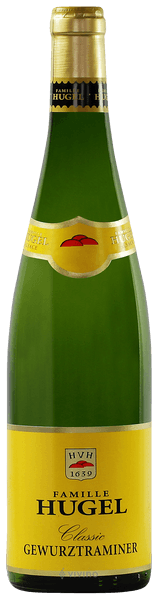
Famille Hugel Classic Gewurztraminer 2019 (or slightly older) – this white wine beauty from the Alsace region of France is an aromatic variety that delivers tropical fruit, peach, pear, melon, honey, ginger and exhibits notable minerality. The wine is clean and fresh with a spicy element to complement all those savoy flavors present in Thanksgiving fare. It has great weight on the palate and offer low acidity, so it will not overpower the savory elements of your meal. If making a simple salad, you can also use this Gewurztraminer as the ‘acid’ part of your salad dressing, adding it to extra virgin olive oil and spices of your choice.

I recently tasted this in Alsace in the town of Riquewihr at the Hugel Family winery tasting room. You can purchase it easily through www.vinvino.com or at Raley’s markets. The price ranges from $23 to $26 per bottle.

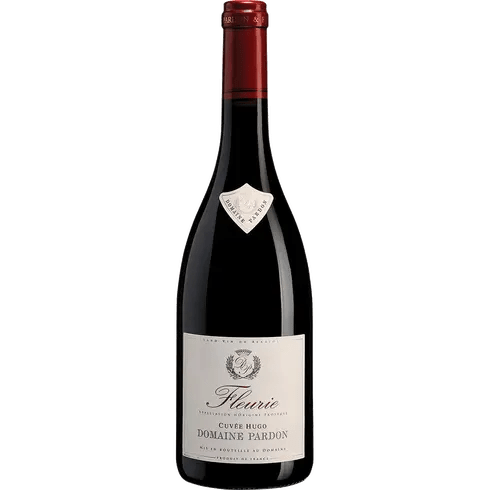
Domaine Pardon Cuvee Hugo Fleurie 2020 – this is not the Noveau Beaujolais wine released on the 3rd Thursday in November each year. This is a serious Gamay wine crafted from the vineyards in the North of Beaujolais in the Cru of Fleurie (there are 10 Crus in Beaujolais making delicious wines). I recently paired this wine for an event where the driving element of the main dish was the spice, Saffron. It absolutely sang with the food, and I know it will do the same with your Thanksgiving meal. It has just enough tart raspberry and cranberry elements coupled with a spicy and earthy finish for all those delicious, crazy flavors in our American Thanksgiving extravaganza. While aromatic and flavorful, the wine offers a light to medium body and the acidity keeps the palate fresh and lively.

Often, Gamay from Beaujolais will rival Pinot Noir at about one-third the price. The wine does not have an overabundance of tannin, so it is a very versatile food wine. I purchased this at Total Wine & More for $23 (with the ‘buy six’ discount).

For dessert:

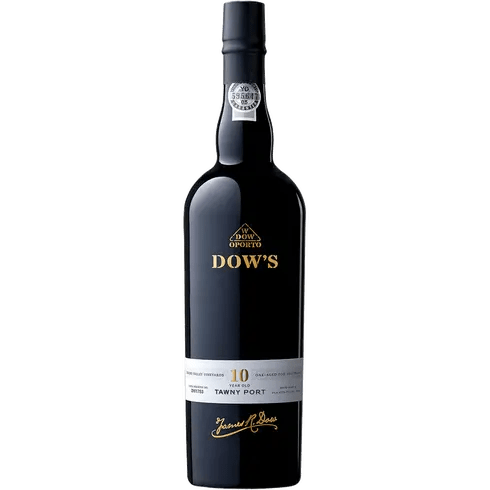
Dow’s 10 Year Tawny Port – while there are many amazing dessert type wines, after such a big meal with a menagerie of textures and flavors, and a glance at the dessert table which may include pumpkin, pecan, and apple pies, something with enough flavor and just rich enough will set the tone and finish your dinner. Dow’s port will not disappoint and will give just enough bang for the finale. The wine exhibits aromas and flavors of dried apricot, baked cherries, plum cake with a definite nutty characteristic. It is aged in oak barrels and is a blend of older wines that are an average of 10 years.

I have used this port wine for many events, and it is a bargain at around $30 a bottle. I found it at Save Mart, www.wine.com and Total Wine.

While there are many wines available that will give you a great pairing experience, I hope you will try one or more of these recommendations. Remember, there are no absolutes when pairing wine and food but many variables. Those include the food and the elements in the dish but most importantly, the people you love and are hoping to please.

Happy Thanksgiving!

What’s your ‘Wednesday’ wine?

People are always asking me what my favorite wine or grape varietal is.   That is an impossible question to answer when the world offers so many delicious and intriguing wines from incredibly historic places.  I enjoy drinking my way around the globe and, if the wine is sound and of good quality, tastes like the varietal(s) and is a good pairing with the food, I am happy.

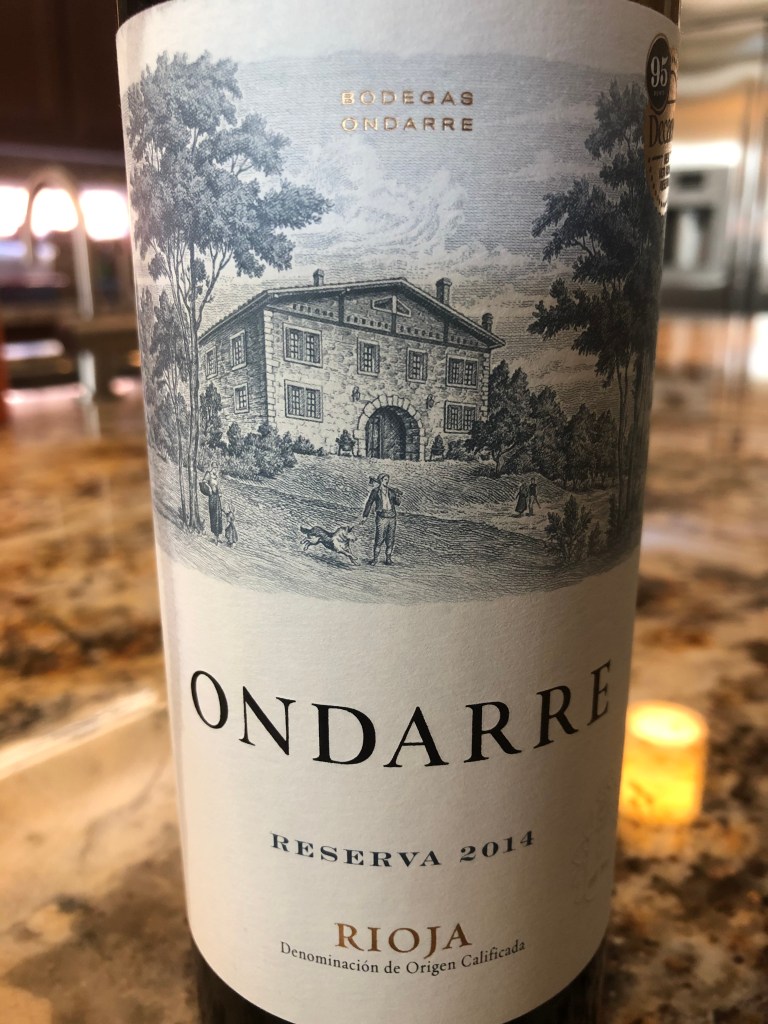
However, I know people are looking for wine recommendations not an esoteric comment that makes me sound smug.  So, the following is a picture of the label of the wine we drank last night.  This is one of my favorite ‘Wednesday wines’, affordably priced (around $15), I have tasted many vintages and while I liked some vintages better than others, I have never been disappointed.

2014 Bodegas Ondarre Reserva Rioja

This wine is from the Rioja region of Spain and is a red blend of 85% Tempranillo (pronounced ‘temp-rah-nee-yo’), 10% Garnacha (Grenache) and 5% Mazuelo (Carignan which is generally grown in France).  It was aged in American and French oak barrels and, as it is a Reserva, it was aged for three years (probably in tanks with one of those years in oak).  On the palate, the wine is dry and fresh with ripe red berries, plum, dusty leather and finishes with a bit of soft vanilla spice.  The wine shows a medium to medium plus tannin structure but presents soft on the palate with just enough bright acidity and a long finish (which is surprising considering the price point).

I love Rioja wines and, while I was lucky to spend a few days in the mountain town of Laguardia in the La Rioja region of Spain, my brother-in-law, Tom Vonderbrink is my real Spanish hero.  Tom spent 40+ days on his first pilgrimage walking the Camino de Santiago – the Way of St. James.  The Bodegas Ondarre is located along ‘the way’ he walked, and the winery website pictures a pilgrim with a hiking pole walking through their vineyards.  I thought this would be a good ‘shout out’ to Tom along with a wish and a prayer that we all can get back to an adventurous life in the very near future. 

Tom, in the spirit of giving, family and friendship, I have shipped a bottle of this 2014 Bodegas Ondarre Riserva to you as a wonderful memory of your accomplishment (along with a bottle of 2016 Cune Rioja, just because).  Please enjoy and drink to all of our health and to all ‘essentials’ in this crazy world.

Santé

Sudsy

Note:  If this ‘Wednesday wine’ article is of interest to you and you would like to see more of the same, please give a ‘thumbs up’ or comment ‘yes please.’

What’s on your Easter dinner table?

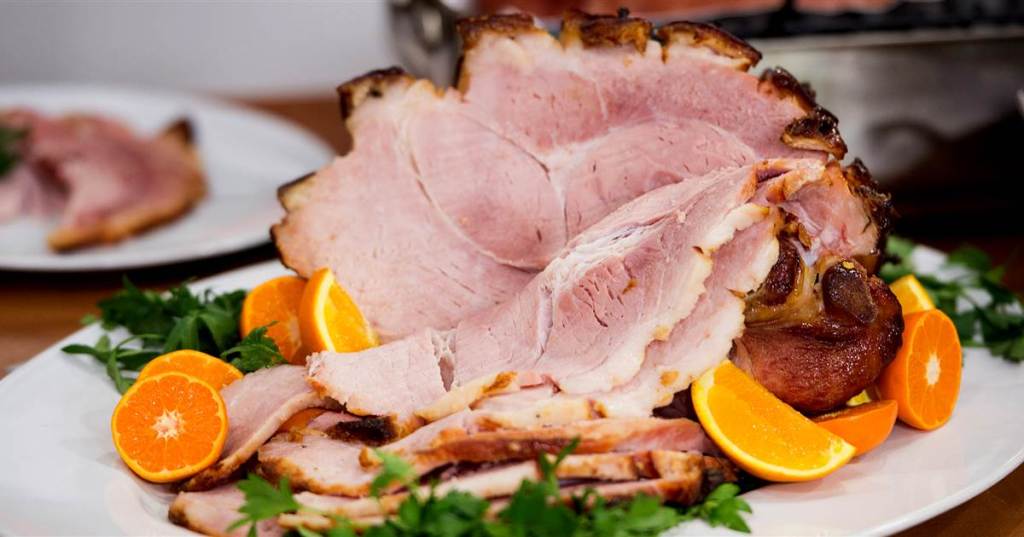
Got a text from a friend asking what wine to pair with Ham for Easter Dinner. Let’s face it, most of the time, that Ham is probably from the Honey Baked Store. While I could pontificate about the coating on the outside of the Ham, remember it’s about the people that will be at your table enjoying the holiday with you. What do THEY like?

If they are into wine, it’s going to be a tough call because the Honey Baked Ham you just bought is going to wreak havoc on most juice. So, forget the Cabernet or Merlot (because the sweet coating on the Ham will make a tannic wine taste bitter). But if you know your group will expect red wine, you could go with something from Beaujolais. Perhaps a Georges Dubeouf Beaujolais Villages or a Louis Jadot Beaujolais. (I would not upgrade to a Beaujolais Cru like Morgon or Fleurie as they will simply cost more and have more structure…unless you want to put a Cru on the table for you!) These recommended wines will not break the bank, will be fruity and ‘red,’ and will be a reasonable pairing for the Ham and all the accoutrements.

Another option is a Mumm Brut Rose which has nice body, is made from Pinot Noir, and serving it in a champagne flute makes for a festive presentation. Your family will feel special!

If you have adventurous guests coming, you could always consider a Riesling or a Gewurztraminer but I’m guessing Aunt Mabel probably would like a White Zinfandel just as well.

Why not end the dinner with something fun and different? What is your family heritage? If your ancestors were French, perhaps a Sauternes; if you are German, perhaps a Beerenauslese Riesling; and if Hungarian like me, perhaps a 5 Puttonyos Tokaji. Just a few examples but fun to end with a little ‘family ancestry’ which everyone will enjoy and will embrace experiencing something from the ‘Old World’ that Grandpa may have enjoyed. The wines mentioned could be served alongside an almond tart with Mascarpone! Save those chocolate bunnies for another night!

Happy Easter!