Spirits of the Vine – an Iberian wine celebration honoring women who shaped the world of wine…

On November 1, 2025, the Ladies of the Knights of the Vine (KOV) gathered for an evening that beautifully intertwined culture, history, and wine. Drawing inspiration from Día de los Muertos, All Saints Day, and All Souls Day, we created a celebration that honored both the living and the legacy of women who helped shape the world of wine.

The Mexican tradition—Aztec in origin—welcomes departed loved ones through vibrant altars (ofrendas) adorned with flowers, candles, and personal mementos. Meanwhile, in Spain and Portugal, All Saints and All Souls Days are marked by quiet visits to cemeteries, where families honor ancestors with offerings and reflection.

Adding an educational twist, our tasting paid tribute to three remarkable women in wine who left enduring marks on their regions and the industry:

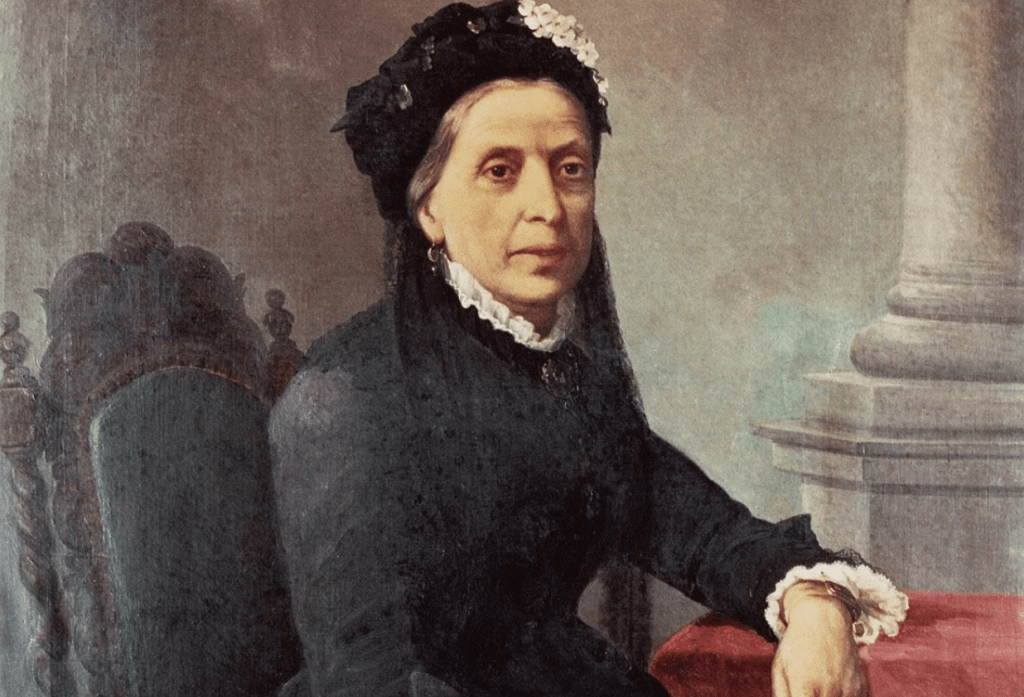
  • Doña Antónia Adelaide Ferreira (Portugal) – The matriarch of the Douro, who safeguarded Portuguese viticulture through the phylloxera crisis and championed quality Port.. A revered humanitarian, she remains a national symbol of perseverance and generosity. The new walking bridge under construction in Porto, slated to open in 2026, will be named in her honor.
  • Barbe-Nicole Clicquot Ponsardin (France) – Widowed young, she revolutionized Champagne with innovations that shaped modern sparkling wine. When Champagne was still cloudy, she devised a riddling table—drilling holes in her own kitchen table to hold bottles at an angle for gradual sediment removal.
  • Isabelle Simi (California) – Who took the helm of her family’s winery at age 18 after her father’s death, guiding it through Prohibition and laying the foundation for one of Sonoma’s most enduring legacies.

Their stories captivated the room, reminding us that while wine history often celebrates great men—Robert Mondavi and André Tchelistcheff among them—women, too, have defined the industry’s evolution. Sharing these stories brought color and depth to our evening, aligning with our fraternal mission to pair education with the pleasure of discovery.


The Tasting Journey

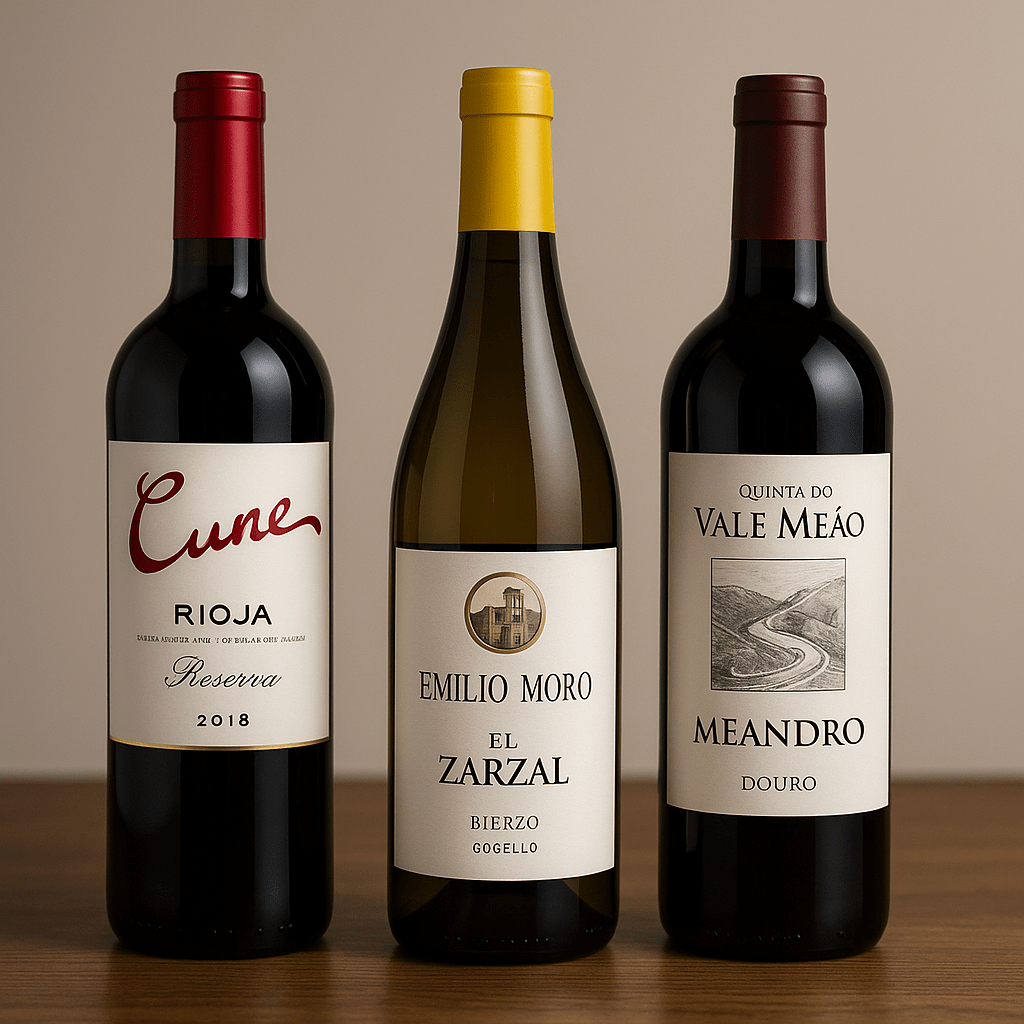
We began with three white winesCampo Viejo Cava Brut Reserva, Broadbent Vinho Verde White Blend, and Emilio Moro El Zarzal Godello from Bierzo. Together, they offered a broad-brush introduction to the diversity of white wines across the Iberian Peninsula, from sparkling to still, from the Atlantic coast to Spain’s mountainous heartland. These selections represented a more modern interpretation of Iberian whites, which were historically crafted in a slightly oxidative style. Each wine was fresh, vibrant, and accessible—perfectly suited to the evening’s theme of renewal and remembrance. The Godello, in particular, became an instant favorite, introducing many of our guests to one of today’s true sommelier “sweetheart” wines.

Next, the ladies were introduced to the wines of Rioja—lovely, Tempranillo-based reds that showcased the region’s hallmark balance between fruit and oak. This flight was designed to illustrate Rioja’s traditional aging hierarchy while spotlighting the modern stylistic shift taking place across Spain. We began with a Crianza, bright and red-fruited with subtle vanilla tones, offering an approachable introduction to Rioja’s structure. The Reserva followed, displaying deeper concentration and the first hints of savory maturity—spice, leather, and tobacco weaving through the fruit. We concluded the flight with a Gran Reserva, a graceful reminder of how extended oak and bottle aging transform both flavor and texture. Its velvety mouthfeel and layered complexity showcased Rioja’s gift for evolution—proof that patience remains one of the region’s greatest virtues.

To provide contrast and perspective, we next explored a Ribera del Duero, also crafted from Tempranillo—known locally as Tinto Fino—but grown on a high plateau where the vines struggle in thin soils and limited water. The result was a wine of striking concentration and depth: dark fruit, firm tannins, and a structure that speaks to both altitude and adversity. This full-bodied expression of Tempranillo offered a powerful counterpoint to the elegance of Rioja. It’s a style I often recommend for Cabernet Sauvignon lovers who find Rioja too restrained—bold yet balanced, with a sense of energy that reflects the rugged beauty of Spain’s heartland.

Venturing back to Portugal, we tasted two still wines from the Douro Valley: the Quinta das Carvalhas Touriga Nacional Douro and the Quinta do Vale Meão Meandro Douro Tinto—the latter from the historic estate originally founded by our honoree, Doña Antónia Adelaide Ferreira. Both wines were beautifully crafted: bold yet refined, layered with dark fruit, spice, and the hallmark minerality of the Douro’s schist terraces. They served as a wonderful introduction to the region’s still wines, which are too often overshadowed by their fortified counterparts. These wines reminded us that the Douro’s legacy extends far beyond Port—into expressions that capture both the power of the land and the grace of its history.

We ended our tasting on a sweet—and savory—note: a dark chocolate brownie paired with a sea-salt cracker topped with a generous slab of Stilton, served alongside Graham’s Six Grapes Port. While I have a deep appreciation for the vintage Ports of the Douro, I selected this particular bottling for its balance of approachability, quality, and value. Consistently highly rated, it offers a touch of sweetness, full body, and rich fruit that make it an ideal introduction to the style—perfect for both newcomers and seasoned Port lovers alike.


An Evening to Remember

The ambiance brought our theme to life. A vibrant altar adorned with marigolds, candles, photos, and wine corks served as both centerpiece and conversation starter—a symbolic bridge between remembrance and celebration, and proof that wine carries history meant to be shared. The soft sounds of the night and crackling fire mingled with laughter, while candlelight cast a warm glow over tables draped in Iberian reds and golds.

Guests shared stories of their own mentors and memories, finding common ground in the resilience and joy that wine so often inspires. In true Knights of the Vine spirit, the evening blended education and fellowship, reflection and festivity. As glasses were raised one final time—to Doña Antónia, to Madame Clicquot, to Isabelle Simi, and to all women who have shaped the world of wine—we were reminded that legacy is not only something we inherit, but something we continue to create together.


The Wines of the Evening

Each bottling was selected not for prestige, but for craftsmanship, authenticity, and its ability to bring its region to life.

#WineRegion / CountryGrape(s)Style & Tasting Impression
1Campo Viejo Cava Brut Reserva NVCatalunya, SpainMacabeo, Xarel·lo, ParelladaLively and refreshing with citrus and green apple; crisp bubbles and a clean finish.
2Broadbent Vinho Verde White Blend 2023Minho, PortugalLoureiro, Trajadura, ArintoLight-bodied and zesty with hints of lime and white flowers; a quintessential summer refresher.
3Emilio Moro El Zarzal Godello 2021Bierzo, SpainGodelloAromatic, textural, and elegant; ripe stone fruit balanced by minerality and freshness.
4Bodegas LAN Crianza 2019Rioja, SpainTempranilloBright red fruit and spice; approachable with fine tannins and a hint of vanilla.
5Marqués de Cáceres Reserva 2017Rioja, SpainTempranilloMedium-bodied, complex, showing cherry, tobacco, and oak spice.
6Cune Gran Reserva 2016Rioja, SpainTempranilloElegant, mature, and layered; soft tannins with notes of dried fruit, cedar, and leather.
7Protos Crianza 2019Ribera del Duero, SpainTempranillo (Tinto Fino)Full-bodied, dense, and structured; black fruit, mocha, and mineral tones.
8Quinta das Carvalhas Touriga Nacional 2019Douro Valley, PortugalTouriga NacionalDeep purple hue; floral aromatics with black fruit and spice, firm yet polished.
9Quinta do Vale Meão Meandro Douro Tinto 2020Douro Valley, PortugalField blend (Touriga Nacional, Touriga Franca, Tinta Roriz, etc.)Rich and layered with plum, graphite, and subtle oak; refined and long.
10Graham’s Six Grapes Reserve Port NVDouro Valley, PortugalTraditional Port varietiesGenerous and velvety; blackberry, cassis, and dark chocolate with a lingering sweetness.

Beyond the Rankings: A Fresh Lens on Wine Spectator’s Top 100 Wines of 2024

Each year, Wine Spectator’s Top 100 captures the attention of both consumers and collectors. It’s a list that can simultaneously dazzle and overwhelm—packed with prestige cuvées, sleeper hits, and bottles that vanish from shelves before the ink dries on the rankings. But what happens when we remove the noise of hype and numbers, and instead taste these wines in context: with thoughtful pairings, side-by-side comparisons, and a spirit of curiosity?

That’s precisely what I set out to explore.

For this tasting, I selected eight wines from the 2024 Top 100 list, focusing on availability, diversity of style, and price point. My aim wasn’t to crown a winner, but to create a guided exploration for an engaged group of tasters—most of whom were serious enthusiasts rather than industry professionals. I paired each wine with a dish designed to highlight a structural or stylistic element: acidity, oak, fruit purity, tannin integration, or savory complexity. And rather than ranking wines, we discussed what each wine offered—and how it performed in the pairing.

Thematic Flights, Not Blind Judgments

Instead of organizing wines by region or varietal, I opted for thematic duos that encouraged deeper comparison. This also provided a framework for guests to think more like a sommelier or buyer—beyond label or price.

Flight 1: Beyond the Barrel (Fresh & Unoaked)

Whitehaven Sauvignon Blanc 2023(Marlborough, New Zealand) and Soalheiro Alvarinho 2023 (Vinho Verde, Portugal)

This opening flight explored vibrant, unoaked whites and sparked conversation around the “Anything But Chardonnay” drinker and the broader cultural shift toward leaner, more mineral-driven wines.

Both wines offered brilliant acidity and freshness, but the Soalheiro—texturally rounder and showing more phenolic grip with an enticing floral element—stood up better to the Upside-Down Garlic-Prawn with Lime pairing. The Whitehaven, while aromatically explosive and hailed as a restaurant’s choice for wines by the glass selection, for our purposes, it was more of a conversation wine—guests felt its precision didn’t quite meld with the cuisine.

Flight 2: Parallel Pinots – Oregon vs. Burgundy

Bethel Heights Estate Pinot Noir 2022 (Eola-Amity Hills, Willamette Valley, OR) and Louis Latour Château Corton Grancey Grand Cru 2022 (Côte de Beaune, Burgundy, France)

An eye-opening duo from parallel latitudes but world-apart price points. The Bethel Heights was taut and vibrant, with a steely core of acidity and red-fruited clarity. The Corton Grancey, a blend of four estate Grand Cru parcels aged in 35% new French oak, displayed elegance, mineral precision, and the quiet authority of a wine made to age.

These Pinot Noirs were paired with Duck Breast, Roasted Shiitake Mushrooms, and Raspberry Sauce. While both worked well, the Bethel Heights was seamless and ready to drink. The Corton, still a baby, showed immense promise—but needs time to fully unfurl.

Flight 3: Cult Classic vs. French Darling

Beaulieu Vineyard Georges de Latour Private Reserve Cabernet Sauvignon 2021 (Napa Valley, CA) and Domaine de la Janasse Châteauneuf-du-Pape 2022 (Southern Rhône, France)

This was a dynamic pairing of two powerhouses, each with strong identity and pedigree. The Janasse offered ripe red fruit, pepper, and garrigue with plush tannins and youthful energy. The BV Private Reserve Cabernet showed deep cassis, cedar, and graphite, but its tannins were still firm and in the early stages of integration.

The wines were served with Wild Boar Cannelloni with Tagine Spices, Feta, Braising Liquid, and Thumbelina Carrots. While both wines were still young, the Janasse held up against the weight and sweetness of the dish. The Cabernet, by contrast, became a slightly awkward pairing—as the North African spices in the tagine accentuated the roughness of its unintegrated tannins.

Flight 4: Exploring the B-Side of Italy

G.D. Vajra Barolo Albe 2020 (Piedmont, Italy) and Castello Romitorio Brunello di Montalcino 2019 (Tuscany, Italy)

This final flight offered a compelling look at two iconic Italian appellations through producers known for elegance over extraction. The G.D. Vajra Barolo Albe, with its lifted aromatics and linear frame, showed classic notes of tar, roses, and red fruit. The Romitorio Brunello brought richness, savory herb, and polished tannins—brilliantly composed, if a touch young.

Paired with Soft, Semi-Soft, and Hard Cheeses with Walnuts and Honey, the wines performed admirably, though the food pairing, for the grand finale, could have been more spectacular. While the cheeses and accompaniments were solid, they didn’t elevate the wines as effectively as hoped.

Conclusion: A List Reimagined

Wine Spectator’s Top 100 often arrives with a flourish—scores, scarcity, and a rush to secure bottles before they vanish. But tasting these wines outside the framework of rankings revealed something more meaningful: their ability to connect people, to illuminate place, and to surprise.

While the Wine Spectator Top 100 is published annually as a guide for buyers, I often hear comments that the ratings depend upon how many advertising dollars are spent by the awarded wineries. Or questions like: How can an $18 wine compete with a $200 bottle? The Spectator’s editors claim their selections are based on a blend of:

  • Quality: Based on the 100-point scale
  • Value: The wine’s price vs. quality
  • Availability: Number of cases produced
  • X-Factor: The wine’s story, uniqueness, or significance

Yet, all of these leave ample room for subjectivity—and potential bias. Wine Spectator is not the only publication marketing scores and reviews to help sell wine, but that is part of what they do. Readers should remember that different publications and critics have strengths in particular regions or or have style preferences, but not necessarily in all.

It had been many years since I last attended a Top 100 tasting. I’ll admit—I was pleasantly surprised. While the eight wines we sampled represent only a small slice of the full list, I came away with a renewed respect for the thoughtfulness behind the selections. I gained a clearer sense of the stylistic range being celebrated—something that will only make me a more informed buyer and thoughtful taster. And the food pairings? They offered a welcoming entry point for everyone in the room. After all, we may not all be professional tasters, but we’re all experts at eating.

Some wines dazzled immediately. Others whispered their virtues slowly, unfolding in the glass or shifting with food. A few weren’t ready to meet the moment—not because they lacked quality, but because great wine isn’t always on our timeline. When we move beyond the numbers and expectations, we’re left with what matters most: context, conversation, and discovery.

In this tasting, the highest-scoring wines weren’t always the most memorable. Instead, the wines that provoked the most discussion, sparked curiosity, or transformed with a dish were the ones that lingered in our minds. And isn’t that what great wine should do?

Exploring Tre Bicchieri: Italy’s Top Wine Awards and Tastings

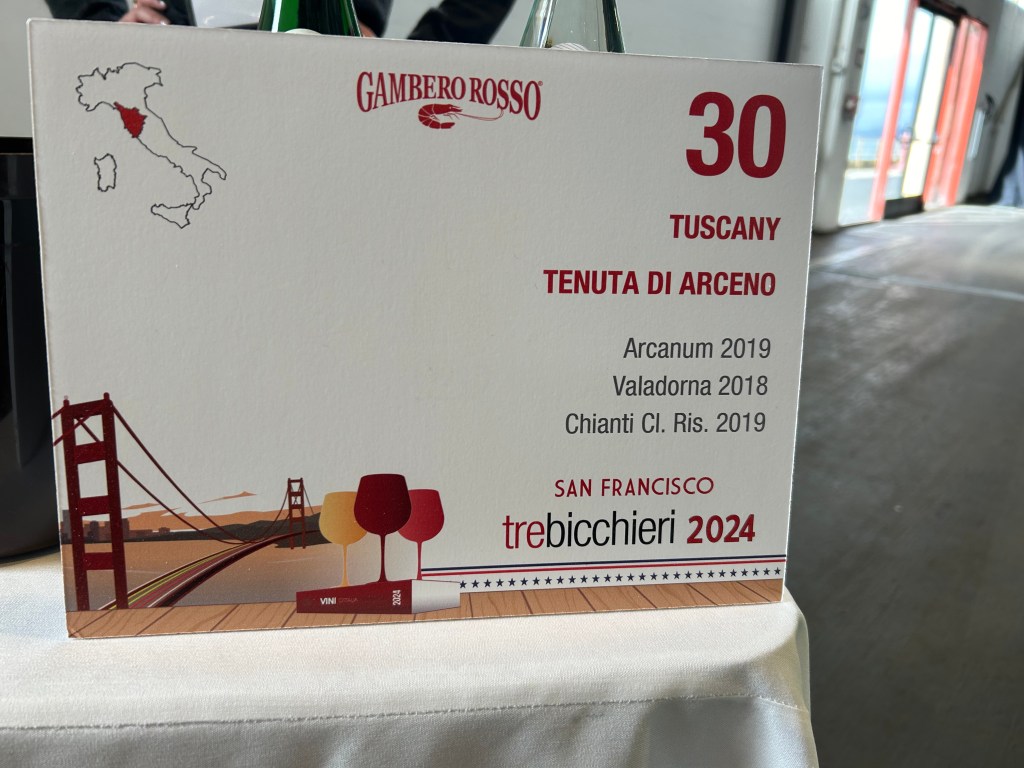
Tre Bicchieri is one of Italy’s most prestigious wine awards, given by the renowned Italian wine guide Gambero Rosso. The term translates to “three glasses,” signifying wines that stand out for their exceptional quality. Each year, Gambero Rosso also hosts a tasting tour featuring the award-winning wines, and the San Francisco event took place on February 27, 2025, at Fort Mason. It’s a fantastic opportunity for industry professionals to explore top-tier Italian wines and engage with winemakers, distributors, and brand representatives.

My Tasting Strategy

With hundreds of wines available, tasting everything is impossible, so I always attend with a focused plan. This year, I sought out producers that, in my experience, consistently deliver high-quality wines. I approached the tasting relatively blind—meaning I knew the producer but hadn’t researched the wine’s ratings, price, or blend beforehand.

I also narrowed my focus to Italy’s powerhouse appellations—the 3 B’s (Barolo, Barbaresco, Brunello)—along with Chianti, because, well, how could I not?

The Wines

Below is a curated selection of the wines I tasted, along with their vintage, producer, critic ratings, price, and grape composition.

VintageProducer & WineCritic RatingPrice (USD)Blend
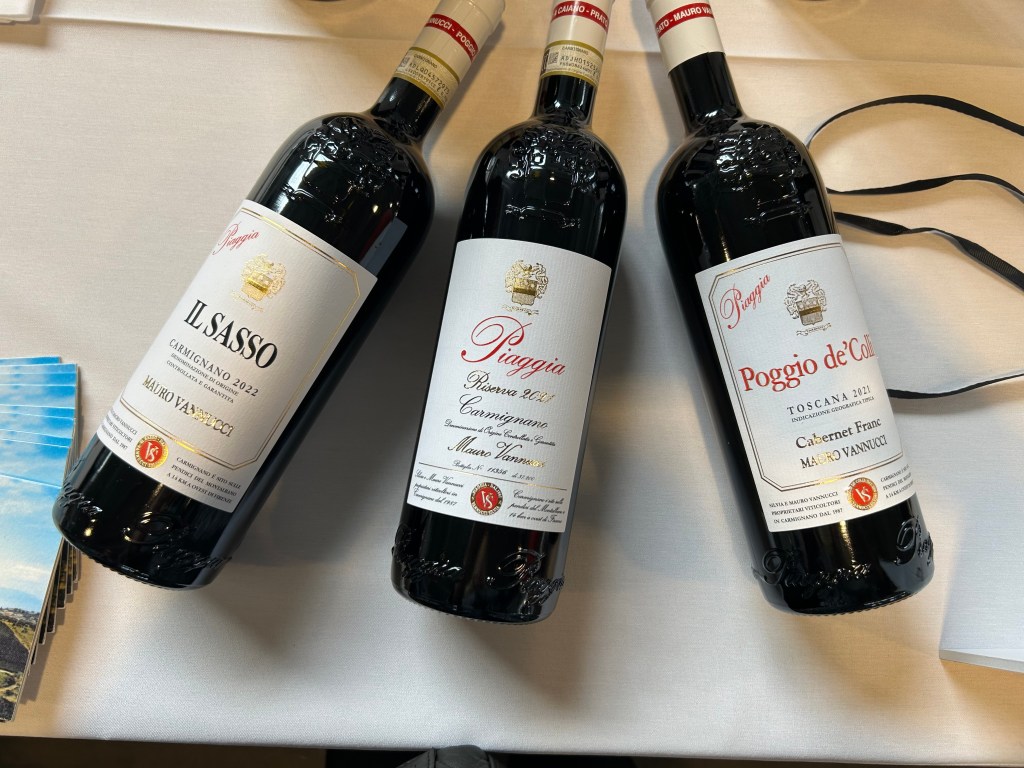
2022Il Sasso Carmignano, Mauro VannucciJS 92$3580% Sangiovese, 20% Cabernet Sauvignon
2019Brunello di Montalcino Poggiarelli, CortonesiJS 91$35100% Sangiovese
2019Brunello di Montalcino La Mannella, CortonesiN/A$69100% Sangiovese
2016Brunello di Montalcino La Mannella Riserva, CortonesiN/A$69100% Sangiovese
2021Nizza Le Court Riserva, Michele ChiarloWE 94$50100% Barbera
2020Barolo Cerequio, Michele ChiarloWE 94$124100% Nebbiolo
2019Tenuta di Arceno ArcanumRP 93$5265% Cabernet Franc, 20% Merlot, 15% Cabernet Sauvignon
2020Tenuta di Arceno Chianti Classico RiservaWS 94$40100% Sangiovese
2018Tenuta di Arceno ValadornaRP 95$120100% Merlot
2020Renato Ratti Barolo SerradenariN/A$180100% Nebbiolo
2020Renato Ratti Barolo MarcenascoJD 93$75100% Nebbiolo
2022Renato Ratti Langhe NebbioloN/A$27100% Nebbiolo
2020Giovanni Sordo Barolo PernoWE 90$65100% Nebbiolo
2020Giovanni Sordo BaroloN/A$30100% Nebbiolo
2020Poliziano Nobile di Montepulciano Le CaggioleRV 95$70100% Sangiovese
2021Poliziano Nobile di Montepulciano AsinoneD 93$80100% Sangiovese
2021Marchesi Frescobaldi Chianti Rufina Terraelectae V. Montesodi RiservaD 95$45100% Sangiovese
2021Marchesi Frescobaldi Chianti Rufina Nipozzano V. V RiservaJS 92$3690% Sangiovese, 10% other red varieties
2022Marchesi Frescobaldi Chianti Classico Tenuta PeranoN/A$23100% Sangiovese
2021Carlo Giacosa Barbaresco AsiliJS 95$95100% Nebbiolo
2021Carlo Giacosa Barbaresco MonteficoJS 93$60100% Nebbiolo
2021Carlo Giacosa BarbarescoRV 92$37100% Nebbiolo

Key Takeaways

I intentionally omitted any wines that I wouldn’t personally buy. Every wine on this list was good, very good, or outright outstanding. What I love most is the wide range of price points—proof that great wineries can produce quality wines at multiple levels through strong viticulture and winemaking practices.

Of course, these wines only represent a small selection of what was available at the event. Italy’s wine scene is vast, spanning hundreds of regions, grape varieties, and microclimates, with incredibly talented winemakers. I only wish I had more time!

Final Thoughts

If any of these wines catch your interest, I highly encourage you to seek them out. Whether you’re a seasoned collector or just starting to explore Italian wines, you won’t be disappointed.

Let me know in the comments—have you tried any of these wines? Which Italian producers consistently impress you?

Salute! 🍷

The Evolution of Rioja Wine: Tradition Meets Innovation

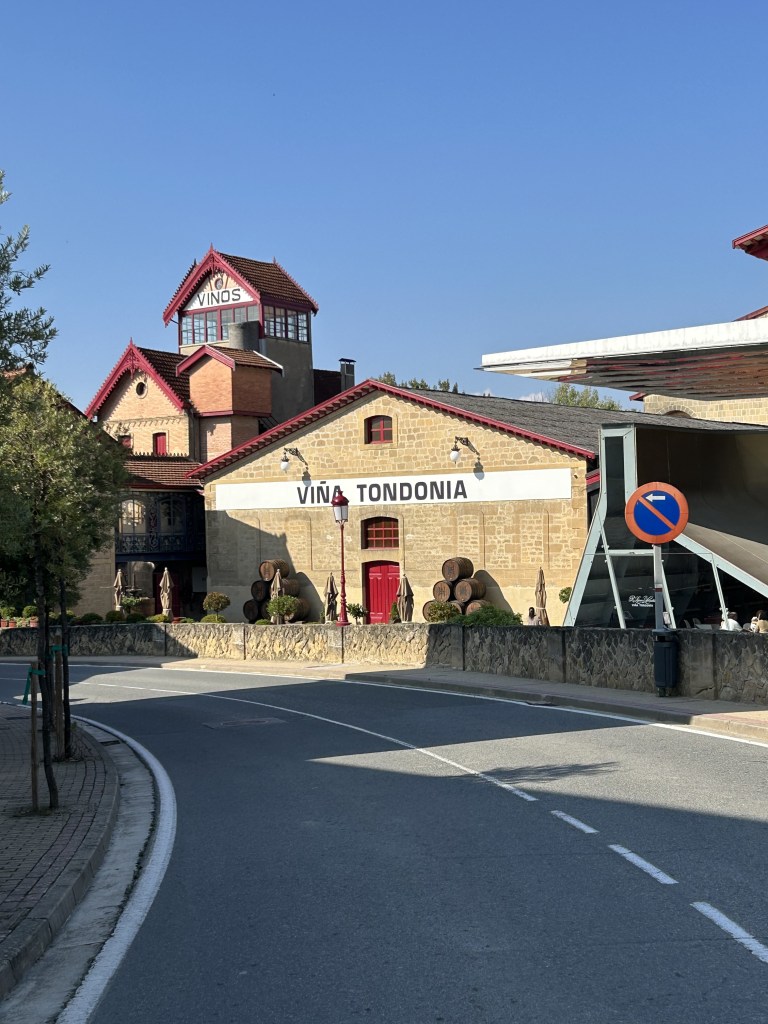
Spain’s wine industry has undergone significant transformation, evolving from a land dominated by blended wines to one increasingly focused on single-vineyard expressions. While traditional Rioja has long been defined by its aging classifications—Crianza, Reserva, and Gran Reserva—some producers are carving a different path. Among them, R. Lopez de Heredia Viña Tondonia stands as a beacon of tradition, offering single-vineyard wines while maintaining the prestigious DOCa designation.

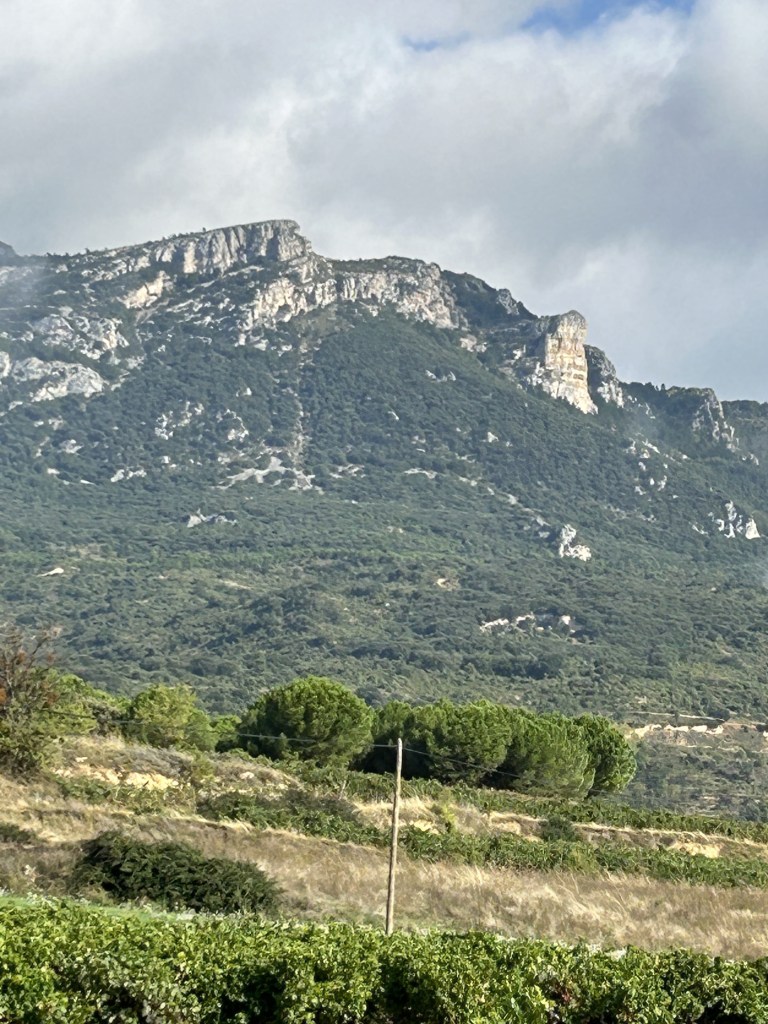
Rioja’s climate is unique within Spain. Unlike much of the country, which is dominated by Mediterranean warmth, Rioja benefits from a continental climate, bringing cooler temperatures and increased rainfall. This allows grapes to develop bright acidity, a hallmark of the region’s wines. The towering Cantabrian Mountains play a crucial role in defining Rioja’s terroir, trapping moisture and preventing hot Mediterranean influences from overwhelming the vineyards.

Rioja is divided into three subregions:

  • Rioja Alta (near Haro) – High altitude, producing wines with great acidity.
  • Rioja Alavesa – Slightly lower in elevation and a bit wetter.
  • Rioja Oriental – Warmer, with more Mediterranean influence, resulting in riper fruit and softer acidity.

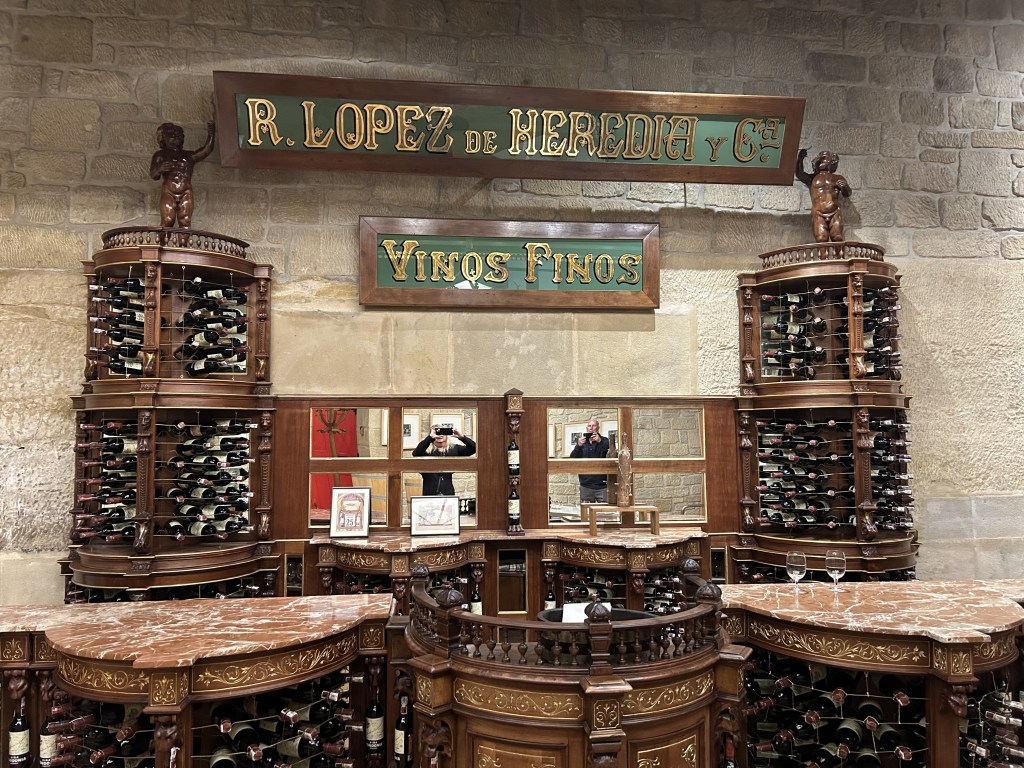
Haro, the epicenter of Rioja’s wine culture, is home to some of Spain’s most iconic wineries, including Muga, CVNE, La Rioja Alta, and, of course, R. Lopez de Heredia. These wineries cluster in the historic Barrio de la Estación, where wines were historically shipped by rail to the rest of Spain and beyond. The town’s significance in Rioja winemaking history is unparalleled, housing some of the most renowned producers who have shaped the region’s legacy. A joy to visit!

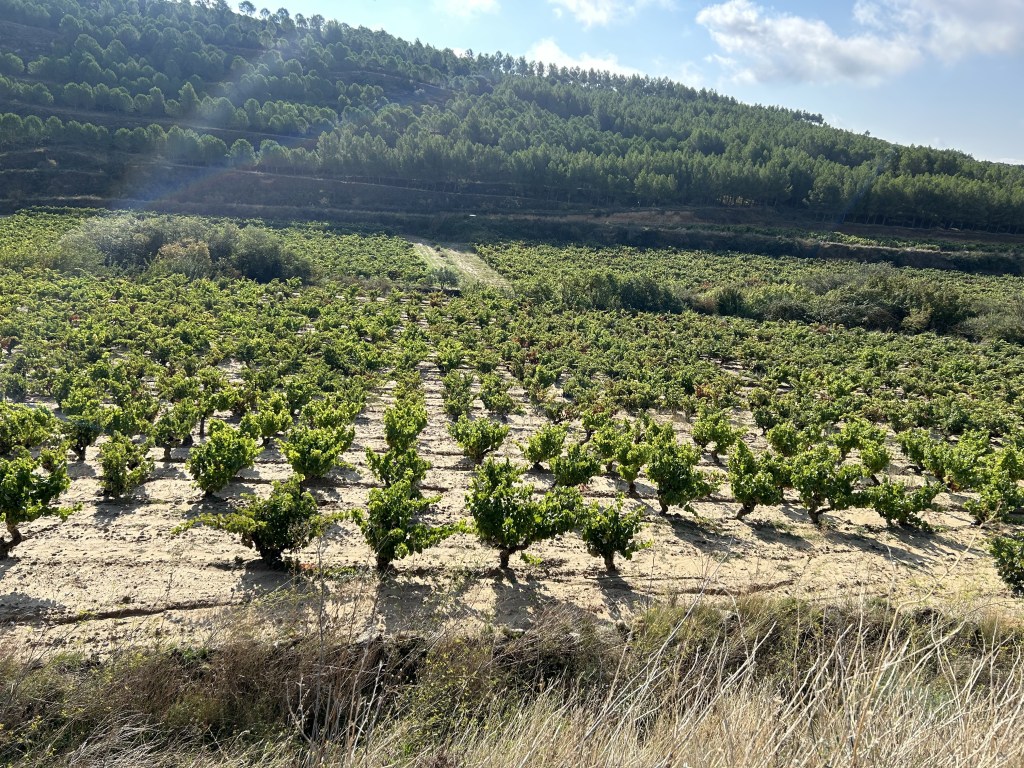
Founded in the late 1800s, R. Lopez de Heredia has steadfastly adhered to time-honored winemaking techniques. Their estate includes the revered Viña Tondonia vineyard, a 100-hectare (250-acre) site uniquely positioned along the Ebro River. The river encircles the vineyard like a moat, providing natural protection and enhancing its microclimate. The name “Tondonia” itself means “round,” reflecting this natural geographical feature.

Unlike many modern Rioja producers who embrace stainless steel fermentation and new French oak, Lopez de Heredia remains committed to traditional methods:

  • Natural Fermentation – Utilizing indigenous yeasts present on the grapes and in the winery.
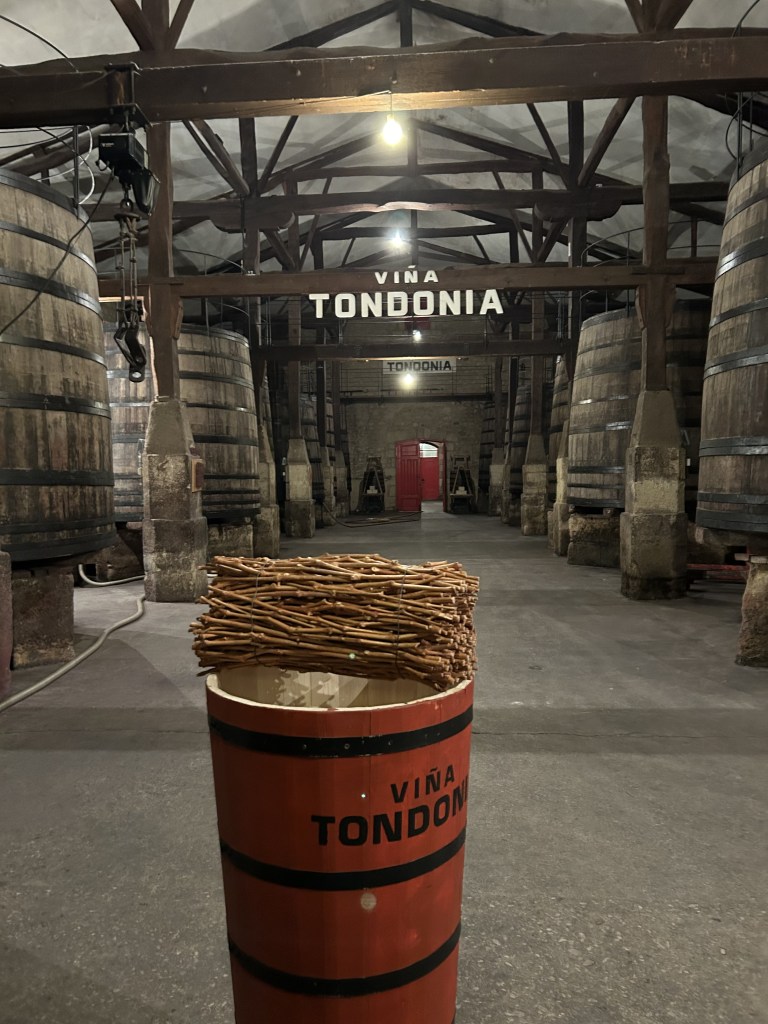
  • Aging in Old Barrels – In-house cooperage ensures quality control, and extended barrel aging imparts complex oxidative notes.
  • Use of Vine Clippings in Fermentation – Similar to Burgundian whole-cluster fermentation, this practice enhances tannic structure and depth while promoting the presence of natural yeasts in the fermentation process.

While Rioja is best known for its reds, the region also produces remarkable white wines. Lopez de Heredia’s Viña Tondonia Blanco is an extraordinary example, undergoing extended aging to develop rich, nutty, oxidative characteristics akin to Vin Jaune from Jura, traditional Sherry, and aged White Burgundy. Stored in the winery’s special cellar, bottles of each vintage are preserved, showcasing the longevity and evolution of these unique wines.

The winery’s commitment to sustainability is evident throughout their viticulture and winemaking practices:

  • No chemical treatments – They employ cover crops, composting, and manual vineyard work to maintain soil health.
  • Dry farming – Encourages deep root growth, ensuring resilience in drought conditions.
  • Minimal sulfur use – Their wines contain only 50 mg/L of SO2, significantly lower than the EU’s 200 mg/L limit.
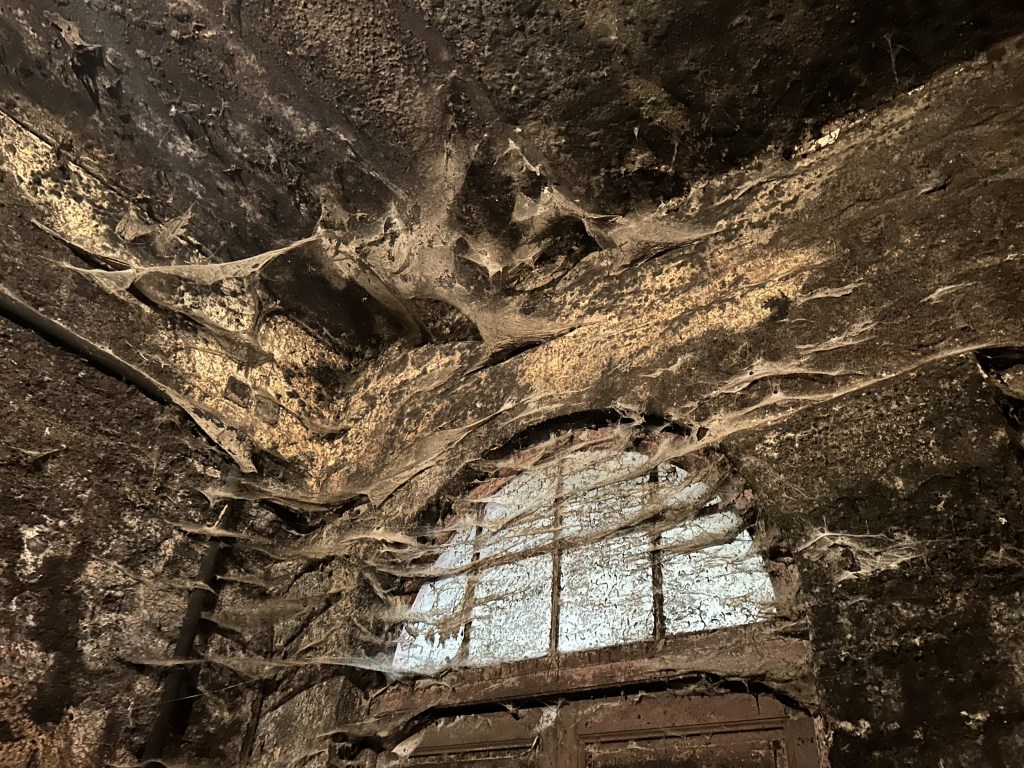
  • Spiders as natural pest control – Instead of using chemical pesticides, they allow spiders to thrive in their cellars, reducing unwanted insects.
  • Aging Cellars with Natural Humidity and Temperature Control – Built in the late 1800s, their facilities are designed to naturally regulate conditions for optimal aging.
  • In-House Cooperage – Maintaining their own barrels ensures quality control and minimizes the need for external resources.
  • Lopez de Heredia does not release a Gran Reserva every vintage; only the finest years merit this designation. Among the most legendary vintages is the 1964 Gran Reserva, often hailed as one of the greatest wines of the 20th century. Tasting a 39-year-old bottle of this vintage was a pivotal moment in my personal wine journey—though at the time, I had no idea of its historical significance!

While Lopez de Heredia champions traditional Rioja, modern producers have embraced technological advancements, creating fresher, fruit-forward wines. Examples include:

  • Crianza Wines – Such as those from CVNE, Viña Real, and Muga, which use shorter aging and newer oak to highlight bright fruit flavors.
  • Use of Stainless Steel – Enhancing freshness and preserving varietal purity.
  • French Oak Aging – Many producers opt for French oak to appeal to international palates.

R. Lopez de Heredia Viña Tondonia exemplifies the power of tradition in an evolving wine landscape. Their commitment to time-honored techniques, single-vineyard expressions, and sustainable practices ensures that each bottle tells a story of Rioja’s rich history. Whether comparing their wines to modern counterparts or simply enjoying their beautifully aged releases, one thing is certain: Lopez de Heredia’s wines stand as a testament to the enduring legacy of Rioja.

Have you had the opportunity to taste R. Lopez de Heredia wine? I was able to visit the winery in September during crush to learn first-hand about this historic producer. The restrained alcohol level and the clarity and silky texture that extended aging creates in the wine is amazing. I encourage you to share your thoughts and experiences in the comments below!

Thanksgiving Wine Pairing Guide: Budget to Luxe Picks

Thanksgiving is a time to gather with loved ones, celebrate gratitude, and savor an indulgent feast. Wine plays a crucial role in elevating the meal, complementing the rich array of flavors on the table. Whether you’re looking for an affordable crowd-pleaser, a mid-range gem, or a luxurious splurge, we’ve got you covered. Here are some recommendations for every budget.

Sparkling Wines: Welcome Friends and Family

Basic: Campo Viejo Cava Brut Reserve ($12-$15)

Cava from Spain is a vibrant, zesty white with citrus and stone fruit notes. It pairs wonderfully with turkey, stuffing, and lighter sides like green beans or salad, offering excellent value. Clean and refreshing finish with a well-balanced acidity.

Mid-Range: Roederer Estate Brut NV ($18-$24)

Roederer Estate sparkling wines are known for their complexity, elegance, and balance, much like their Champagne counterparts. Bright citrus, green apple, and pear dominate, with subtle raspberry nuances from Pinot Noir with a touch of brioche.

Splurge: Pommery Brut Royal Champagne ($55-$60)

Pale golden yellow with a fine, persistent mousse. Light to medium-bodied with a crisp, dry profile. Flavors of citrus, green apple, and white peach. An excellent introduction to the house’s refined Champagne style and a delightful choice for both casual and formal occasions.


White Wines: Perfect for Turkey and Sides

Basic: Pine Ridge Chenin Blanc + Viognier White Blend ($12-$15)

Juicy and refreshing, with flavors of ripe melon, green apple, and tropical fruits like pineapple. Known for its excellent quality-to-price ratio, this blend’s versatility makes it a fantastic pairing for various dishes:

Mid-Range: Hugel Classic Gewurztraminer ($25–$28)

This aromatic white grape is prized for its bold, floral and spicy character making it a great choice for Thanksgiving fare. Aromatic, and slightly off-dry make it a versatile pairing wine.

Splurge: Louis Jadot Chablis Fourchaume Premier Cru ($55+)

This single-varietal chardonnay wine showcases the purity and elegance of Chablis’ terroir, emphasizing freshness and minerality. Flavors of citrus zest, white peach, and crisp apple dominate, but with a creamy richness on the palate. Pure delight!


Red Wines: For the Heartier Dishes – Beaujolais Anyone?

Basic: Georges Duboeuf Beaujolais Nouveau ($10–$15)

Fresh, fruity, and easy-drinking, Beaujolais Nouveau is a classic choice for Thanksgiving. Its light body and vibrant red fruit notes harmonize with cranberry sauce and roasted turkey.

Mid-Range: Chateau des Deduits Fleurie Beaujolais ($22-$25)

Fleurie, known as the ‘Queen of Beaujolais Crus,’ produces wines that are typically lighter, fragrant, and more delicate than some of the other Crus. Floral hints of violets and roses, with subtle earthy and spicy notes such as white pepper and a touch of licorice.

Splurge: Domaine Jean Foillard Morgon Cote du Py Beaujolais ($52+)

Morgon is one of the 10 Crus of Beaujolais, known for producing structured, age-worthy wines. Ripe red and dark fruits, cherry, raspberry, and blackcurrant with earthy notes of wet stone, forest floor, and subtle mushroom.


more red wines: Pinot noir to please

Basic: Four Graces Pinot Noir Willamette Valley ($12-$25)

Medium-bodied with a smooth, velvety texture. Fresh red fruit flavors of cranberry, cherry, and plum and an earthy complexity balanced with vibrant acidity.

Mid-Range: Roserock by Drouhin Oregon Eola-Amity Hills Pinot Noir ($40+)

This wine is an exceptional expression of Oregon terroir, combining the finesse of Burgundy with the distinct characteristics of the Eola-Amity Hills. It’s a refined, balanced Pinot Noir that offers both elegance and depth, making it perfect for those who appreciate both the new world and old world styles of Pinot Noir. Elegant and complex, showcasing a beautiful balance of fruit, earthiness, and subtle spice

Splurge: Louis Jadot Santenay Clos de Malte, Burgundy ($55-$60)

Clos de Malte: This specific vineyard, classified as a Premier Cru, is a monopole (single-vineyard site) owned by Louis Jadot. The terroir of Clos de Malte is particularly favored for its warm, south-facing exposure, ensuring that the grapes ripen fully while maintaining good acidity. A classic Burgundy Pinot Noir, offering a beautiful balance of fruit, earth, and spice.


Dessert Wines: The Grand Finale

Basic: Croft Reserve Tawny Porto ($20-$25)

A classic, well-balanced Tawny Port with rich dried fruit, nutty flavors, and a smooth, velvety texture. Reserve Tawny Port: This is typically a blend of Ports aged in oak for around 5 to 7 years, though it can vary slightly.

Mid-Range: Graham’s 10 yr. Tawny Port ($30+)

The Graham’s 10 Year Old Tawny Port is a standout in the category of aged Tawny Ports, offering a refined balance of fruit, nutty flavors, and the signature complexity that comes with extended aging in oak barrels. This Port is aged in oak barrels for a minimum of 10 years, which gives it more time to oxidize and integrate the oak’s influence. Over this extended aging period, the wine develops more complex flavors, including nutty, caramel, and dried fruit notes. It becomes smoother, with a more pronounced aged character compared to Reserve Tawny.

Splurge: Graham’s 20 yr. Tawny ($70+)

Graham’s 20 Year Old Tawny Port is a luxurious, complex wine that exemplifies the finesse of long aging in oak barrels. With its rich flavors of dried fruit, caramel, nuts, and spices, it represents a perfect balance of sweetness and acidity. This Tawny Port offers an elegant, velvety texture and a long, satisfying finish, making it an ideal choice for special occasions, or as an after-dinner treat. It is particularly delightful when paired with rich cheeses, decadent desserts, or simply enjoyed on its own.


Tips for Thanksgiving Wine Pairing

  1. Offer Variety: Provide at least one white, one red, and possibly a sparkling wine to cater to diverse tastes.
  2. Consider Acidity: Wines with higher acidity pair well with Thanksgiving dishes’ rich and sweet flavors.
  3. Chill Reds Slightly: Serving reds slightly cooler than room temperature helps highlight their fruitiness (think 60-65 degrees as the wine will warm as it sits in the glass).
  4. No tannins: Tannic wines, which are wines high in tannins (like Cabernet Sauvignon, Nebbiolo, or Syrah), tend not to pair well with many traditional Thanksgiving foods. For Thanksgiving, wines with lower tannin levels and more balance—such as Pinot Noir, Gamay (Beaujolais), Chardonnay, or Riesling—tend to be more successful. These wines complement the meal’s diverse flavors without overwhelming any single component, making them versatile choices for a wide range of traditional Thanksgiving dishes.

No matter your budget, the right wine can transform your Thanksgiving meal into an unforgettable celebration. Cheers to making memories and savoring every sip!

Happy Thanksgiving!

Amador County Commercial Wine Competition 2024 results…

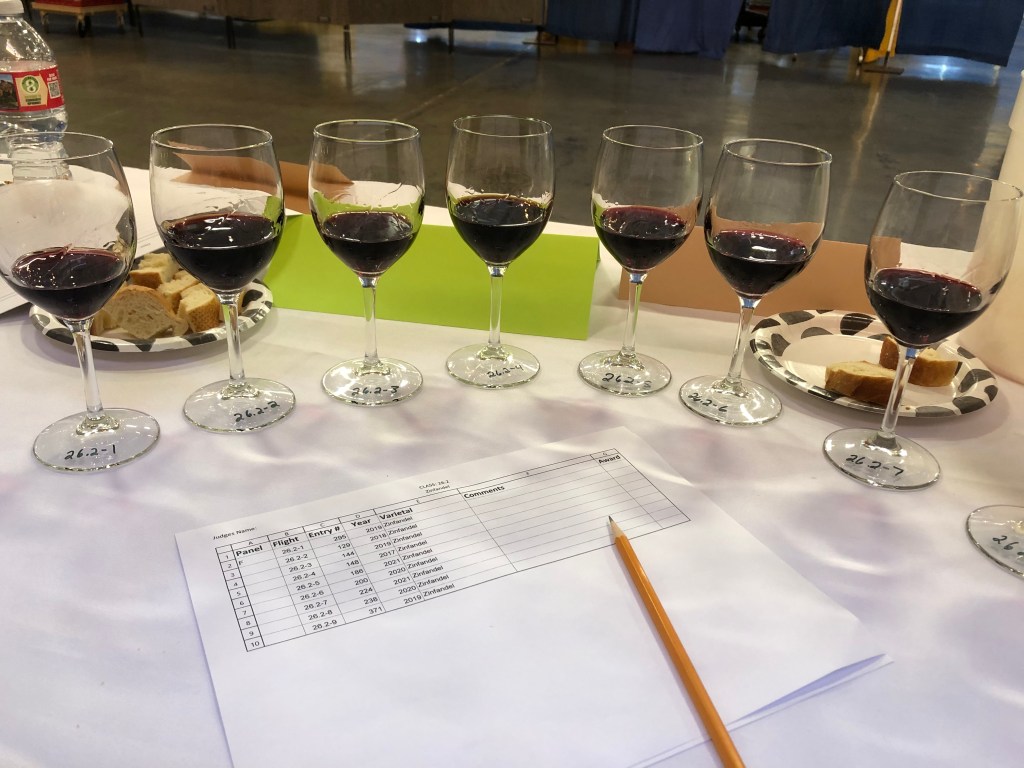
It’s great to judge these AVA type competitions as it gives a good snapshot of the producers and how they stack up against their fellow wineries. The competition is ‘blind’ (meaning the judges have no idea of the winery that produced the wine in the glass). Each wine is identified by a number and scored on the merits of what is tasted in the glass. However, we do know the ‘category’ such as Zinfandel, Cabernet Sauvignon, or Other White Blends, for example.

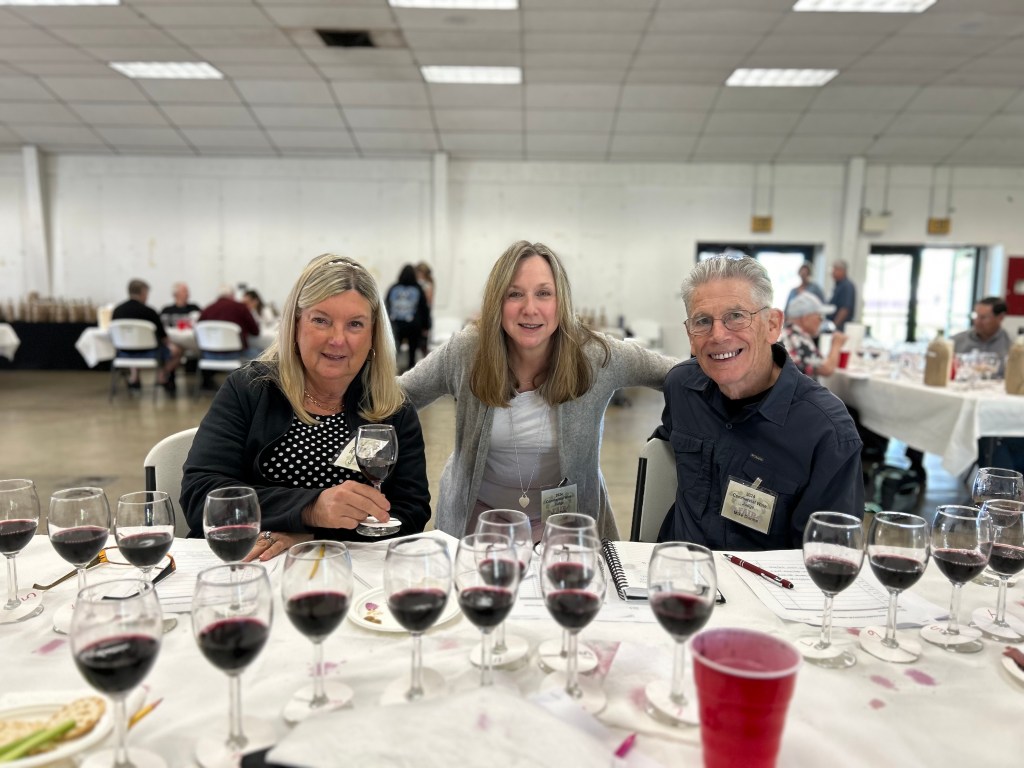
Our panel consisted of a seasoned winemaker (with a Bachelor’s degree in Enology – the science of winemaking), an acclaimed wine writer and author, and me (I hold the DipWSET certification, am a Certified Sommelier, and an experienced wine judge). We worked together seamlessly and we each came away with some nuggets of wisdom from each other. There is always an ‘A-HA’ moment…

The night before the competition, Casino Mine Ranch Winery hosted the judges for a salad and pizza dinner with an assortment of freshly baked pizzas prepared in their amazing woodburning pizza oven. They were delicious and a wonderful pairing with their line-up of tasty wines. (Note: Casino Mine Ranch also had wines entered in the competition, but they did not offer tastings of any of the entries for this event.) Visit their website at: https://www.casinomineranch.com/visit-us/

Here is a picture of the beautiful new winery building and the sitting area overlooking the water at Camino Mine Ranch…

The results of the competition have not yet been posted to the Amador County website, but here is a link to an article that tells a bit about some of the winners of this year’s competition: https://www.ediblemontereybay.com/blog/in-praise-of-barbera-amador-wine-competition-winners/

FAIR RESULTS NOW POSTED: https://amadorcountyfair.com/2024-fair-results

I’d like to also give a ‘shout out’ to Rest, a Boutique Hotel, where we stayed the night before the competition. The rooms are lovely and very comfortable, we enjoyed the fire pit with a glass of wine before turning in for the night, and the staff was incredibly attentive to every detail. Breakfast the next morning was wonderful, and I cannot wait to return. Their website can be found here: https://www.hotelrest.net/

After the competition, we dined at Taste, an upscale restaurant a few doors down from Rest. It was a lovely surprise to find such quality in the Foothills, with creative dishes, and a wine list that included Foothill wines but also International selections. Their website can be found here: https://www.restauranttaste.com/

If you are looking for a get-a-way, Amador County has lots to offer, although truly their wines are the star of the show. Get out there and try some of these award winning wines!

Wine judging is serious business…

It was a pleasure to judge at the 2024 El Dorado Commercial Wine Competition this past week. Our panel was comprised of a viticulturalist, a technical winemaker, a wine writer and me, an educator (DipWSET and Certified Sommelier) and the Wine Director (buyer) for several fraternal wine organizations. We worked well together and gave each wine our full attention and careful consideration, detailing the attributes present. We always requested a taste from a second bottle if there was any question about the condition of the wine as we wanted to ensure the wineries were able to put their best foot forward.

This competition is an ‘open’ one, which means that any winery from around the world is able to submit for consideration. Obviously, located in the foothills, the bulk of the entrants are in and around the foothills and general areas of California. The competition is blind which means the wine in the glass is only identified to the judge(s) by a number assigned to the entry. We have no idea of the winemaker or winery while evaluating.

The ‘Special Awards’ given (Best of Show White, Red, etc.) and the full report on all awards can be found by clicking the link below:

https://eldoradocountyfair.org/commercial-wine.html

Support these local wineries by stopping by and letting them know you read about the wonderful awards they earned! As an added bonus, you might find something you can’t do without for your Easter celebration!

El Dorado County Fair Commercial Wine Competition 2023

This well-run competition, judged by industry experts, is well respected among consumers and winemakers alike.  All wines are tasted blind by the judging panel(s), first individually and then final results as a consensus.   The medals awarded boost consumer confidence as judges have no affiliation with the wineries and score simply on the merits of the wine in the glass.  As such, these awards are coveted by the wineries and boost consumer interest in their award-winning wines thereby increasing sales.

The competition also provides an opportunity for valuable feedback from judges who evaluate based on various criteria such as aroma, taste, balance, and complexity.  This feedback can help winemakers refine their techniques, improve their wines, and understand how they measure up against their peers.  It provides a platform for benchmarking, or comparing, their wines against others in the same category or region.  A winery can then evaluate their products and standing in the market, providing valuable insights for future production and development.

Lastly, consumer education is an additional perk as the wines are showcased during the fair itself, allowing an opportunity for sampling or viewing the medal winners, and providing an opportunity to learn more about different styles, varietals, areas, and vineyards.  This greatly contributes to consumer education and appreciation of wine.

A perk not often mentioned is that published results of a competition allow consumers to see awarded wines and wineries by clicking on the competition website (https://eldoradocountyfair.org/pdfs/wine/2023_EDC_Fair_Wine_Comp_sorted_winery-award-entry.pdf).  This provides an amazing resource when planning a visit to the area and helps in the selection of wineries to visit and wines to seek out to taste.  If you do so, be sure to mention you read about their accolades and awards and decided to visit and taste their award-winning wines!

While you can view the results at the link provided above, the following wineries are noteworthy because of the number of wines entered as well as their impressive results:

Jeff Runquist Wines was awarded 4 Best of Class (BOC) Awards, 7 Double Gold Medals and 6 Gold Medals. To view the entire list of their awards, go to: https://eldoradocountyfair.org/pdfs/wine/2023_EDC_Fair_Wine_Comp_sorted_winery-award-entry.pdf

Macchia Winery in Lodi, California, was awarded 6 Best of Class (BOC) Awards, 8 Double Gold Medals and 5 Gold Medals.  To view the entire list of their awards: https://macchiawines.com/competitions-%26-awards

https://macchiawines.com/

FULL DISCLOSURE:  I was a panel judge at the competition and have participated as such for several years.  The competition is a great snapshot of the wonderful wines being crafted in the area.  It is a beautiful spot to visit with tons of history and I always enjoy my sleepover at the Historic Cary House Hotel the night before the competition as well as dinner at Heyday Cafe where we love to celebrate my husband’s birthday!  It is definitely a diamond in the rough!

Historic Cary House Hotel:  http://www.caryhousehotel.com/#/

Heyday Café:   https://www.heydaycafe.com/

What fun and delicious wines will grace your Thanksgiving table?

I am certainly looking forward to enjoying Thanksgiving Dinner with family and friends. However, I am going to change up the wine offerings this year. As the dishes served are standard Thanksgiving fare offered and anticipated as well as those family favorites, I do not want to mess with the menu or the family ‘food traditions.’

To keep it simple, I will be serving the following:

For the happy hour (before the serious eating commences):

Veuve Cliquot Demi Sec NV – this Champagne is lush on the palate and has enough sweetness to soften the acidity with just a touch of yeasty character. The mousse is lively and gives the champagne a delightful crispness not expected in a demi sec. The aromas and flavors evoke peach, caramel, pear, and Meyer lemon, which linger beautifully, and the finale is a long, pleasant finish. It is a delightful Champagne and will please both connoisseurs as well as those new to this style.

I recently purchased this at Total Wine & More for $65 for a 750ml bottle (with the ‘buy six’ discount). If you do not need a whole bottle, it is also available in a half bottle size (www.wine.com). Serving in a beautiful champagne flute or Grandma’s cut crystal will add elegance and scream festive! This beautiful wine is a combination of Pinot Noir, with Chardonnay, Meunier, and reserve wines from the cellar. It hails from the Champagne region of France.

At the table, I will be serving a white and a red wine:

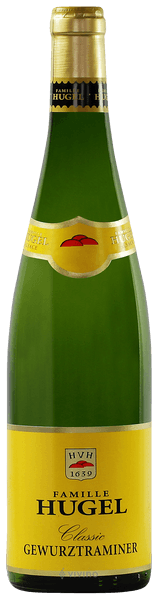
Famille Hugel Classic Gewurztraminer 2019 (or slightly older) – this white wine beauty from the Alsace region of France is an aromatic variety that delivers tropical fruit, peach, pear, melon, honey, ginger and exhibits notable minerality. The wine is clean and fresh with a spicy element to complement all those savoy flavors present in Thanksgiving fare. It has great weight on the palate and offer low acidity, so it will not overpower the savory elements of your meal. If making a simple salad, you can also use this Gewurztraminer as the ‘acid’ part of your salad dressing, adding it to extra virgin olive oil and spices of your choice.

I recently tasted this in Alsace in the town of Riquewihr at the Hugel Family winery tasting room. You can purchase it easily through www.vinvino.com or at Raley’s markets. The price ranges from $23 to $26 per bottle.

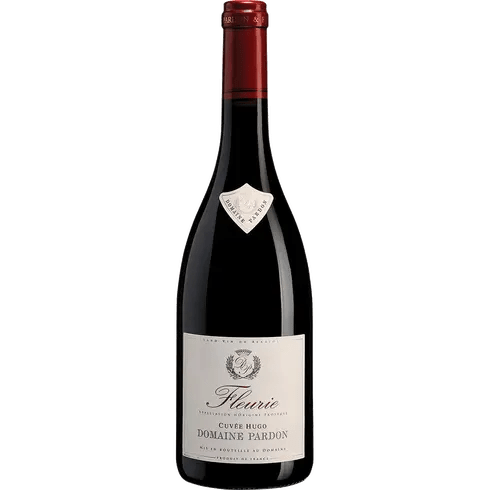
Domaine Pardon Cuvee Hugo Fleurie 2020 – this is not the Noveau Beaujolais wine released on the 3rd Thursday in November each year. This is a serious Gamay wine crafted from the vineyards in the North of Beaujolais in the Cru of Fleurie (there are 10 Crus in Beaujolais making delicious wines). I recently paired this wine for an event where the driving element of the main dish was the spice, Saffron. It absolutely sang with the food, and I know it will do the same with your Thanksgiving meal. It has just enough tart raspberry and cranberry elements coupled with a spicy and earthy finish for all those delicious, crazy flavors in our American Thanksgiving extravaganza. While aromatic and flavorful, the wine offers a light to medium body and the acidity keeps the palate fresh and lively.

Often, Gamay from Beaujolais will rival Pinot Noir at about one-third the price. The wine does not have an overabundance of tannin, so it is a very versatile food wine. I purchased this at Total Wine & More for $23 (with the ‘buy six’ discount).

For dessert:

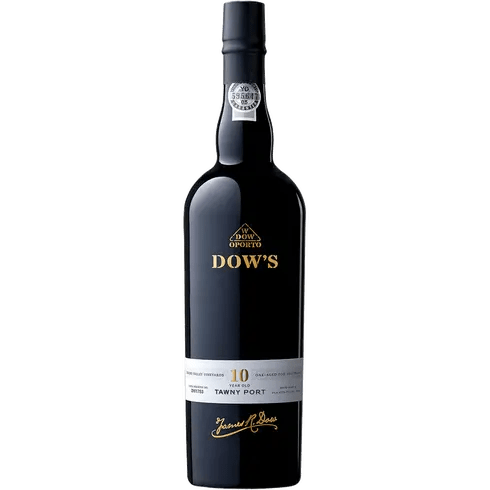
Dow’s 10 Year Tawny Port – while there are many amazing dessert type wines, after such a big meal with a menagerie of textures and flavors, and a glance at the dessert table which may include pumpkin, pecan, and apple pies, something with enough flavor and just rich enough will set the tone and finish your dinner. Dow’s port will not disappoint and will give just enough bang for the finale. The wine exhibits aromas and flavors of dried apricot, baked cherries, plum cake with a definite nutty characteristic. It is aged in oak barrels and is a blend of older wines that are an average of 10 years.

I have used this port wine for many events, and it is a bargain at around $30 a bottle. I found it at Save Mart, www.wine.com and Total Wine.

While there are many wines available that will give you a great pairing experience, I hope you will try one or more of these recommendations. Remember, there are no absolutes when pairing wine and food but many variables. Those include the food and the elements in the dish but most importantly, the people you love and are hoping to please.

Happy Thanksgiving!

A summer wine to enjoy!

I miss the ‘walk around’ consumer and industry tastings!

In Covid-19 times, wineries are selling you an abbreviated selection of their collection, complete with a login so you can taste along with the winemaker via Zoom.  It is fantastic that some methodology exists where at least we can taste; however, two to six wines from the same producer (and possibly the same vintage) with the winemaker extolling the virtues of his or her wines simply leaves me wanting more.  I want to taste other wines alongside so I can sense and taste the different expressions of a grape crafted by different producers.  I want to feel the wine on my palate and sense the acid, alcohol, and fruit elements.  I want to compare the wine with bottles from various regions.  I want to discover the gem. I want to be the judge and jury.

I sat out on our back patio last night and tasted three different white wines with a friend.  (I am studying for the WSET Level 4 Diploma and she is working on her CMS Certified.) We were tasting to cement in our minds what these wines present and to determine if they were good representations of the varietals and place.  I will admit that I drink a lot more red than white, but I have been looking for white wines for warm days (coming soon) that are light but flavorful enough to begin the evening.  Not to disparage any wine, I am searching for something other than a California Chardonnay or a New Zealand Sauvignon Blanc, wines that seem to be at every party.  I want low alcohol and subtle flavors of fruit without the phenolic bitterness some white wines can present.

Our favorite of the night was the 2018 Trimbach Pinot Blanc from Alsace ($17.00).  The wine was pale lemon in color and, as I brought the glass to my nose, I was pleasantly surprised at the unexpected intensity of aromas.  Fresh lemon, subtle character of lemon pith, lime blossom, pear, a sense of ripe, juicy white peach with a hint of white pepper and wet stones.  The alcohol was medium (13%) and the acid subtle but tightly woven with the fruit elements, presenting a wine with pleasant and lingering aromas and flavors. 

Pinot Blanc hails from many regions but its best examples are from France’s Alsace, Germany’s Pfalz and Baden, Austria’s Wachau and in Italy’s Trentino-Alto Adige, Veneto, Friuli, and Lombardy winegrowing regions. It produces full-bodied whites with relatively high acidity, yeasty citrus and appley aromas and flavors and hints of spice. When aged, it can present lovely, honeyed tones. 

I really enjoyed this Pinot Blanc from Alsace, France, and will have fun crafting appetizers and light meals to enjoy with this gem.  Think soft cheeses with fresh, crusty bread, summer salads with creamy dressings (use some of the Pinot Blanc to make your own special dressing), and flaky fish dishes.  Who needs a ‘walk-around’ tasting?  Plan your own tasting so you and your guests can be the judge and jury!