“Tre Bicchieri” translates to “Three Glasses” in English. It is a prestigious wine award given by the Italian wine guide, Gambero Rosso, a leading authority on Italian wine. Their annual Vini d’Italia (Wines of Italy) guide is highly regarded in the industry.
So, what does the term really mean? The “Tre Bicchieri” award is bestowed upon wines that are considered outstanding, with a rating of three glasses being the highest honor. More than 70 expert tasters comprise the team that blind-tastes 45,000+ wines annually, rating them on a scale of one to three glasses (bicchieri). Of these many thousands of wines, fewer than 1% achieve the Tre Bicchieri designation, a ranking reserved for only the best wines from each vintage. Each tour stop also includes a set of Master Classes, which spotlight different regions of Italy and the most exciting grapes and wines emerging from those regions.
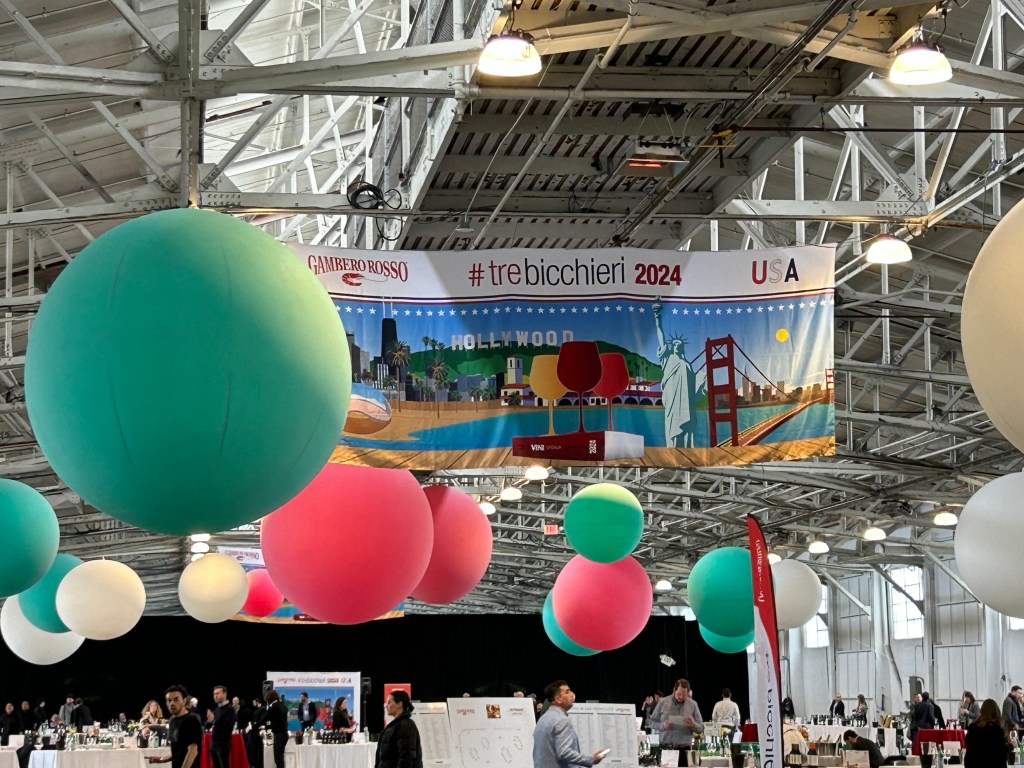
Gambero Rosso hosts events and tastings in different parts of the world, showcasing Italian wines across Italy, including those that have received the prestigious Tre Bicchieri recognition. The San Francisco tasting was held at the Fort Mason Festival Pavillion with the San Francisco Bay as the backdrop. Slated for industry professionals, it provides an opportunity to explore and appreciate the diversity and excellence of Italian wines. It also provides an opportunity for producers to showcase their wines to wine importers, wholesale buyers, retailers, restaurateurs, educators and the press.
A wealth of information is provided by enthusiastic owners and winery representatives. In this instance, these particular wines have not yet arrived at the distributor for sale, so an advance preview of wonderful wines to come!
Three wines, same producer, different vineyards, very different aromatic profiles. A side by side tasting complete with a detailed map of the area so the representative could talk about the individual vineyards, elevation, and aspect that make these wines a standout.
There were approximately 90 tables (producers) with 2 to 4 wines at each station available to taste. It was a wonderful experience as always (I always select a theme as I cannot taste everything), and this year I concentrated my tasting on the Piedmont and Chianti areas (although I must admit I am fascinated by the 100% Cabernet Franc wines coming out of various areas in Italy and just had to sample a few).
The goal of this tasting event was to learn about the terms Toscana and Super Tuscan and the wines in those categories, what Superiore implies, to explore the Wine Classification system in place in the region, how IGT began so producers did not have to label their wines as simply table wine, as well as ‘meeting’ some of the players in this class. For the tasting experience, we moved from wines with Sangiovese in the blend to all Bordeaux varietals, and finally circled back to Tuscany, finishing with Antinori’s Tignanello. It was quite a journey.
While this was an ‘armchair’ adventure, the pictures of the beautiful countryside, the sea, amazing vineyards and castle like chateau, coupled with stories of some of the most iconic Italian producers that took their dream of crafting Bordeaux style wine from the windswept lands that touch the Tyrrhenian Sea into a cult reality, it proved to be a heady tasting.
To be clear, there was not a bad wine or a wine that any one or more attendee did not like. It was a journey through and an introduction to the various expressions of varietals found in this region, followed by a discussion of the success this area has enjoyed.
For me, personally, it was my first taste of Sassicaia and I loved it. The fruit was ripe and the flavors lush, but not overblown. The purity of the fruit stood out and the finish was superb, the wine restrained and elegant, not fruit forward like a California Cabernet. I also enjoyed the Grattamacco as I love how the marriage of Bordeaux varietals and Sangiovese seem to bring two worlds together, giving the wine an uplift and added structure. And, I fell in love with Tignanello several years ago, so I am biased as I make sure I collect and cellar several bottles each vintage. The surprise was the 100% Syrah wine from Tua Rita. It was inky and rich and the first 100% Syrah bottling I have had from this region. A true standout!
They say that a given situation can form a lasting memory in your mind, and I would place this tasting in that category. Good people, great wines, fantastic food created to play well with the wines, and wonderful pictures and stories of this beautiful area along the sea. Seeing the vines curve along the hillsides and down to the sea, knowing that the marshy land was drained to make viticulture a reality (as happened in Bordeaux a long time ago), with iconic winemakers and their vision of what the area could become. Their wines have shown to be carefully crafted and have gained worldwide appeal and accolades. This was a tribute to their efforts!
While these are not most people’s ‘Wednesday night wines’, I encourage you to gather some friends and try a couple of these bottlings to learn about this exciting region! You will not be disappointed…
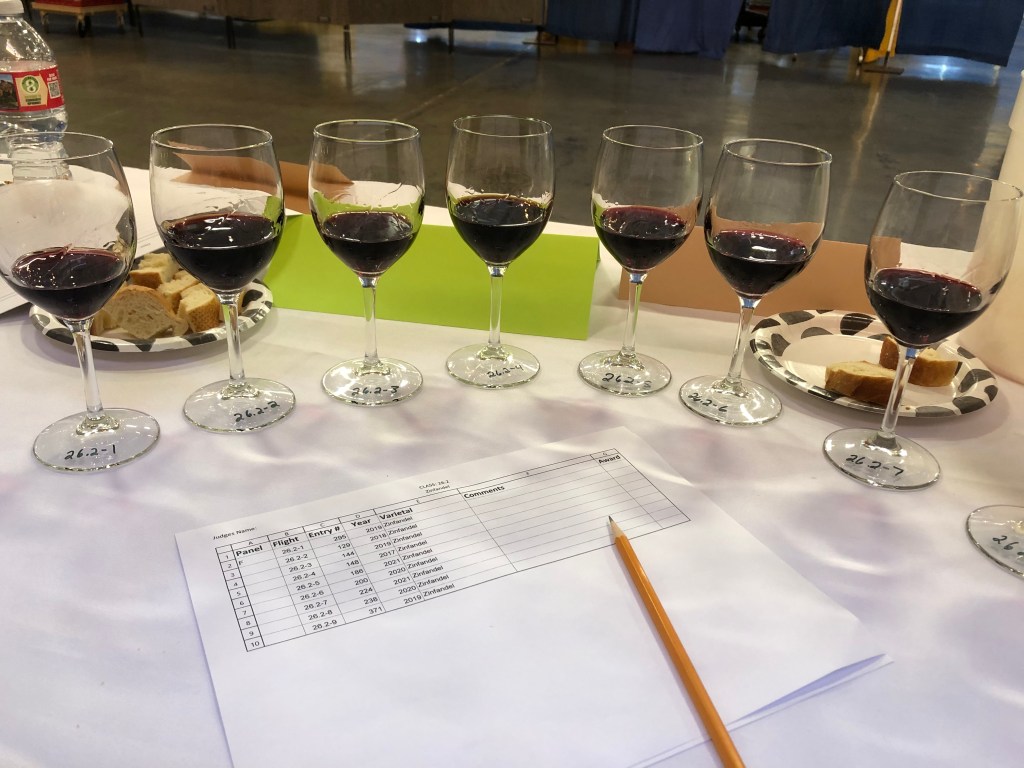
This well-run competition, judged by industry experts, is well respected among consumers and winemakers alike. All wines are tasted blind by the judging panel(s), first individually and then final results as a consensus. The medals awarded boost consumer confidence as judges have no affiliation with the wineries and score simply on the merits of the wine in the glass. As such, these awards are coveted by the wineries and boost consumer interest in their award-winning wines thereby increasing sales.
The competition also provides an opportunity for valuable feedback from judges who evaluate based on various criteria such as aroma, taste, balance, and complexity. This feedback can help winemakers refine their techniques, improve their wines, and understand how they measure up against their peers. It provides a platform for benchmarking, or comparing, their wines against others in the same category or region. A winery can then evaluate their products and standing in the market, providing valuable insights for future production and development.
Lastly, consumer education is an additional perk as the wines are showcased during the fair itself, allowing an opportunity for sampling or viewing the medal winners, and providing an opportunity to learn more about different styles, varietals, areas, and vineyards. This greatly contributes to consumer education and appreciation of wine.
A perk not often mentioned is that published results of a competition allow consumers to see awarded wines and wineries by clicking on the competition website (https://eldoradocountyfair.org/pdfs/wine/2023_EDC_Fair_Wine_Comp_sorted_winery-award-entry.pdf). This provides an amazing resource when planning a visit to the area and helps in the selection of wineries to visit and wines to seek out to taste. If you do so, be sure to mention you read about their accolades and awards and decided to visit and taste their award-winning wines!
While you can view the results at the link provided above, the following wineries are noteworthy because of the number of wines entered as well as their impressive results:
FULL DISCLOSURE: I was a panel judge at the competition and have participated as such for several years. The competition is a great snapshot of the wonderful wines being crafted in the area. It is a beautiful spot to visit with tons of history and I always enjoy my sleepover at the Historic Cary House Hotel the night before the competition as well as dinner at Heyday Cafe where we love to celebrate my husband’s birthday! It is definitely a diamond in the rough!
When we moved to the Bay Area, I took a few cooking classes and Chef indulged our group, bringing in a Riedel representative to do a comparative wine glass tasting. I was very skeptical that a glass could make any difference; however, the bonus of attending the seminar was it included 4 Riedel Vinum glasses. I was hooked!
The basic premise is that you take 4 glasses (a Bordeaux, Pinot Noir, an Oaked Chardonnay, and a Sauvignon Blanc) and you ‘sniff and taste test’ each of the varietal wines one at a time. Beginning with the wine in the correct varietal glass, subsequently pouring it into the other glasses and re-tasting, the aromatics and flavors on the palate were clearly ‘best’ in the varietal glasses. I officially rose to the rank of ‘snob.’ Lucky for me, I was able to attend several of these ‘tastings’ and was always offered a greatly reduced price to purchase additional 4 glass sets. And so, my collection began!
According to the Riedel website, ‘Different wine varieties have different characteristics and flavor profiles. The size and shape of whatever vessel you use – whether that’s a RIEDEL glass or plastic cup – will alter the way your senses perceive the wine.’ Riedel was the original pioneer in wine glass design, but other players have since entered the marketplace. As a result of the general acceptance that certain shaped stemware is appropriate for specific varietals, there is now a trend and plenty of marketing for a universal wine glass – one glass to be used for any type of wine. This idea mirrors the testing of candidates for the Master of Wine and WSET Diploma programs where all types of wines blind tasted are generally poured into Riedel Vinum Riesling stemware. Obviously, a white wine glass!
There has been much written about which stemware is the best. I have added links to articles written by other writers and scientists at the end of this blog for you to peruse at your leisure. However, the following personal details helped me to decide what was best for me when shopping for stemware.
1. Appearance:
The glass had to have a stem as I did not want to hold the glass by the bowl, warming the wine, or leaving fingerprints or smudges that I would have to look through.
The stem had to be tall enough that the glass looked elegant on the table and was easy to grasp as I reached over my dinner plate and utensils.
While taller is better, in my opinion, it had to be balanced with a base that was not easy to dump when bumped.
The stem and size of the bowl of the glass had to look and feel balanced.
The rim had to be relatively thin, not like a Libby wine glass from Target or a Mason jar! More of a thin, cut edge rather than a rolled edge.
The glass or crystal had to be clear with no noticeable imperfections and thin enough to not distort the color of the liquid inside.
Every wine glass has a ‘feel’ in your hand and you must find your nirvana.
It had to look elegant.
2. Cost and quantity:
How many stems are you purchasing and what is your budget or choke point? For me, I was introduced to the Riedel Vinum Series and was able to purchase these at a very low price. Therefore, I am fortunate to have Bordeaux, Pinot Noir, Chardonnay, Sauvignon Blanc, and Champagne glasses for 14 which I use for dinner parties. You can generally find these for around $40 a stem.
For drinking while in the mountains, I use Spiegelau Salute Bordeaux stemware which is about ¾ of an inch taller than the Riedel but has the same, overall shape, for $10 a glass on Amazon. They are a bargain in price, look great and have a thin rim (the brand is also owned by Riedel).
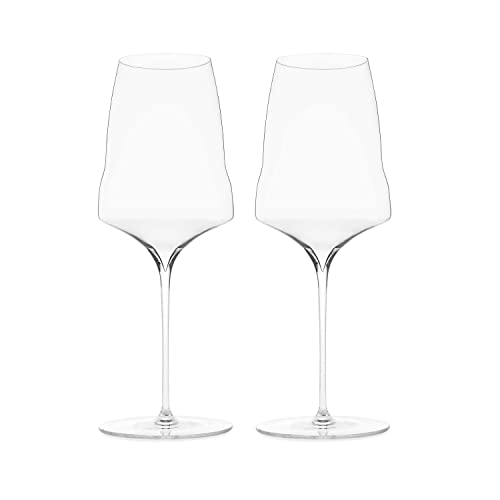
I have tried several of the ‘universal’ style stems (Zalto, Jancis Robinson, Gabriel Glas, etc.) and have recently purchased a couple of the Josephine No. 2 Universal stems created by Kurt Josef Zalto. Priced at $80 – $95 each, these are not for the faint of heart. I’m intrigued by how thin and lightweight they are but rather than purchasing for entertaining, I selected these for personal tasting. Or, shall we say, I simply got sucked in! However, I do like the aromatics of the wine from this glass and, curiously enough, Riedel now makes a stem that looks similar called Wine Wings!
3. Ease of Cleaning:
While we have broken our share of the Riedel glasses, our biggest losses have been from twisting the bowl one direction while holding on to the stem to dry. That little twist can snap the stem from the bowl in a heartbeat! Once we mastered that, using a thin, microfiber towel to dry and buff the glass is easy as the opening is a reasonable size.
A tiny opening would make drying a challenge, so be sure to pay attention to that parameter.
I have also placed the glasses in the dishwasher (I have an after-market glass rack that I can put in the bottom rack of my dishwasher) but quickly learned that you need to remove the stems after the wash cycle and hand dry the glasses to avoid spots. As we all have different sized hands, etc., this is another personal parameter.
While these features do not consider every detail, it should serve to get you thinking about what you want and how you intend to use and clean them. A tweet from Wine Folly (https://twitter.com/WineFolly/status/1604804738964344832?ref_src=twsrc%5Egoogle%7Ctwcamp%5Eserp%7Ctwgr%5Etweet) also suggests that the diameter of the opening of the glass will greatly affect the way wine tastes. ‘A 2 ½ inch opening makes red wine taste less aggressive with softer tannins and acidity. Less than 2 ½ inches and red wine will be fresher, spicier with bolder tannins.’ Have fun trying various glasses and enjoy shopping whether it is for a tasting set, a universal glass, or a collection of glassware. I really like the Riedel Vinum, am always pleased when drinking a Bordeaux from my $10 Spiegelau and will enjoy experimenting with the Josephine universal glass. Find what is best for you!
Am I a wine glass snob? Probably! If I am going to enjoy a nice wine, I want to have a great glass as, for me, it is part of the whole experience. While these are parameters I used in choosing stemware, I am merely providing these to encourage you to try several glasses so you can decide what is important for your personal enjoyment as well as your wallet.
As you drink through the holidays, here’s to enjoying your wine in a manner and vessel that suits your style. Hail to all the wine glass snobs out there!
Cheers!
The following links are to a couple of articles you might also find helpful in your search:
I am certainly looking forward to enjoying Thanksgiving Dinner with family and friends. However, I am going to change up the wine offerings this year. As the dishes served are standard Thanksgiving fare offered and anticipated as well as those family favorites, I do not want to mess with the menu or the family ‘food traditions.’
To keep it simple, I will be serving the following:
For the happy hour (before the serious eating commences):
Veuve Cliquot Demi Sec NV – this Champagne is lush on the palate and has enough sweetness to soften the acidity with just a touch of yeasty character. The mousse is lively and gives the champagne a delightful crispness not expected in a demi sec. The aromas and flavors evoke peach, caramel, pear, and Meyer lemon, which linger beautifully, and the finale is a long, pleasant finish. It is a delightful Champagne and will please both connoisseurs as well as those new to this style.
I recently purchased this at Total Wine & More for $65 for a 750ml bottle (with the ‘buy six’ discount). If you do not need a whole bottle, it is also available in a half bottle size (www.wine.com). Serving in a beautiful champagne flute or Grandma’s cut crystal will add elegance and scream festive! This beautiful wine is a combination of Pinot Noir, with Chardonnay, Meunier, and reserve wines from the cellar. It hails from the Champagne region of France.
At the table, I will be serving a white and a red wine:
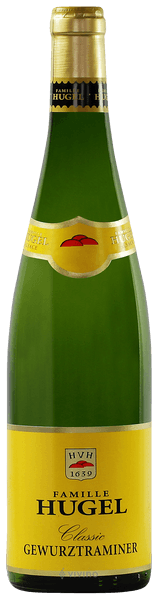
Famille Hugel Classic Gewurztraminer 2019 (or slightly older) – this white wine beauty from the Alsace region of France is an aromatic variety that delivers tropical fruit, peach, pear, melon, honey, ginger and exhibits notable minerality. The wine is clean and fresh with a spicy element to complement all those savoy flavors present in Thanksgiving fare. It has great weight on the palate and offer low acidity, so it will not overpower the savory elements of your meal. If making a simple salad, you can also use this Gewurztraminer as the ‘acid’ part of your salad dressing, adding it to extra virgin olive oil and spices of your choice.
I recently tasted this in Alsace in the town of Riquewihr at the Hugel Family winery tasting room. You can purchase it easily through www.vinvino.com or at Raley’s markets. The price ranges from $23 to $26 per bottle.
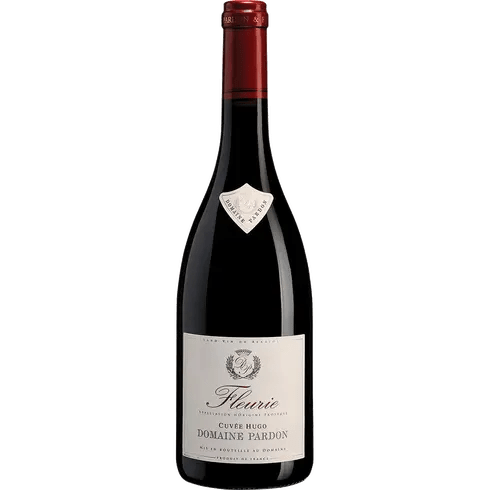
Domaine Pardon Cuvee Hugo Fleurie 2020 – this is not the Noveau Beaujolais wine released on the 3rd Thursday in November each year. This is a serious Gamay wine crafted from the vineyards in the North of Beaujolais in the Cru of Fleurie (there are 10 Crus in Beaujolais making delicious wines). I recently paired this wine for an event where the driving element of the main dish was the spice, Saffron. It absolutely sang with the food, and I know it will do the same with your Thanksgiving meal. It has just enough tart raspberry and cranberry elements coupled with a spicy and earthy finish for all those delicious, crazy flavors in our American Thanksgiving extravaganza. While aromatic and flavorful, the wine offers a light to medium body and the acidity keeps the palate fresh and lively.
Often, Gamay from Beaujolais will rival Pinot Noir at about one-third the price. The wine does not have an overabundance of tannin, so it is a very versatile food wine. I purchased this at Total Wine & More for $23 (with the ‘buy six’ discount).
For dessert:
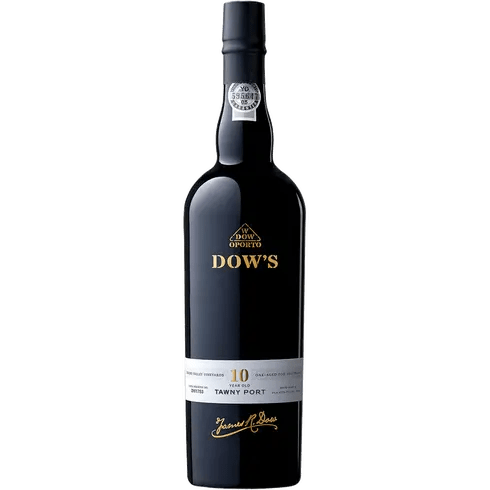
Dow’s 10 Year Tawny Port – while there are many amazing dessert type wines, after such a big meal with a menagerie of textures and flavors, and a glance at the dessert table which may include pumpkin, pecan, and apple pies, something with enough flavor and just rich enough will set the tone and finish your dinner. Dow’s port will not disappoint and will give just enough bang for the finale. The wine exhibits aromas and flavors of dried apricot, baked cherries, plum cake with a definite nutty characteristic. It is aged in oak barrels and is a blend of older wines that are an average of 10 years.
I have used this port wine for many events, and it is a bargain at around $30 a bottle. I found it at Save Mart, www.wine.com and Total Wine.
While there are many wines available that will give you a great pairing experience, I hope you will try one or more of these recommendations. Remember, there are no absolutes when pairing wine and food but many variables. Those include the food and the elements in the dish but most importantly, the people you love and are hoping to please.
During these damp and chilly winter months, Port is a good beverage to enjoy while sitting in front of a roaring fire or to pair with a course of Stilton Cheese and almonds after dinner or ‘just because.’ It is one of my favorite fortified wines and crafted in varying styles and quality.
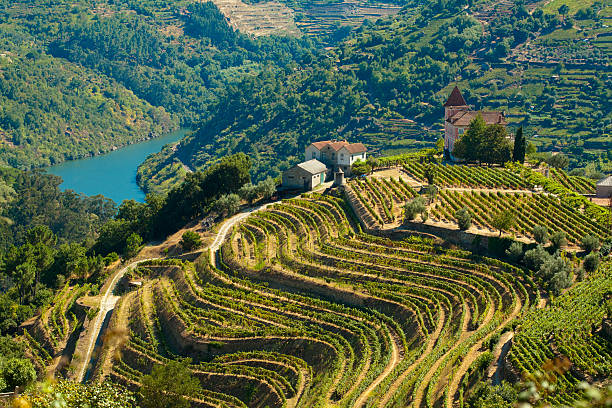
The grapes are grown in steep vineyards that wind along the Douro River in Northern Portugal all the way East toward the Spanish border. The soils are stony shist that split vertically (rather than the typical horizontal orientation) which enable the roots to reach deep in search of water (irrigation is only allowed in exceptional circumstances). The slopes are incredibly steep (more than 30 per cent), which makes vineyard layout challenging, and are further limited by granite bedrock which is impenetrable. Granite surrounds the vineyards planted in the stony soil creating a natural barrier and preventing expansion.
Traditionally, the vines were grown on narrow terraces held in place by walls of dry rock. Much labor is needed to maintain these walls and hand harvesting is necessary and expensive. Most are now protected by UNESCO and cannot be converted to other layouts. It is a beautiful sight to gaze upon these terraced vineyards from a patio along the Douro. In the right light, the view is absolutely stunning with the reflections from the river.
There are also terraces supported by steep earthen ramps that allow for small tractors, but erosion and growth of weeds on the ramps is problematic. As these ramps are narrow and follow the contour of the hillsides along the winding Douro, a change in direction or dip in the hillside, can create different microclimates resulting in uneven ripening.
Vines can also be planted in vertical rows up the hillsides but are limited as hillsides above a 40% incline cannot support mechanization. In Portugal today, it is difficult to find labor to be able to maintain the vineyards and for harvest.
While there are more than 100 grape varietals permitted in the production of Port, the focus is generally on five main grapes:
Touriga Franca – the most grown varietal
Touriga National – used for premium, long aged wines
Tinta Roriz – the Tempranillo grape in Spain (think Rioja)
Tinta Barroca – high yielding and earthy
Tinto Cao – high acidity and ability to age
Port is made by blending different varieties, vineyards, and field blends (vines of different varieties planted in a vineyard and fermented together). Fruit from old vines is used in premium wines but some can be crafted from all old vine grapes.
Once the grapes are harvested, they are taken to the winery, placed in Lagares (large, shallow tanks generally made of granite) for fermenting and extraction. The process of extraction is accomplished by various methods including:
Traditional foot treading (preferred as human feet do not split the seeds allowing bitter phenolics into the must)
Mechanical Lagares with silicon ‘feet’
Pumping over (a method to keep the ‘cap’ wet but not as effective at extraction as foot treading – human or mechanical)
Punching down the ‘cap’ with stainless steel pistons
Auto vinification in stainless steel (like pumping over mechanically but electricity not required; less effective and generally used for lighter color and lighter bodied wines)
The wine is then drained off the skins and fortified to 19 – 22% abv which stops fermentation (yeast cannot live above 16.5% alcohol). The spirit used for fortification is aguardente which can add character and flavor to the wine.
Maturation begins in the Douro where the wine spends its first year. Historically, the maturing wine was sent to Vila Nova de Gaia across the river from Oporto for further ageing; however, with the increase in tourism, some producers have built well insulated, humidity-controlled lodges in the vineyard areas.
While a ruby port can become a tawny, a tawny port can never be a ruby! Therefore, we will explore red wine, or unoxidized wine employing protective winemaking practices, on its journey to becoming Port wine.
Grape growing is just a form of farming and dependent upon the weather during the growing season, the canopy management techniques employed and the final ripeness of the grapes. The quality of base wine and the form of maturation will ultimately determine the style, quality, and price of the finished wine.
Ruby Port – is produced using protective winemaking techniques to retain the primary fruit flavors in the wine. It is medium bodied, has medium tannins, red and black fruit characteristics, and is aged for a maximum of three years. It is a blend of more than one year (non-vintage) and has a consistent taste from year to year. The wines generally have simple fruits aromas/flavors and may exhibit a slightly harsh alcohol character. Some examples of ruby ports are Cockburn’s Fine Ruby, Graham’s Fine Ruby Port, Porto Valdouro Ruby Port, and Fonseca Bin 27.
Reserve Ruby Port – higher quality than Ruby Port and must be tasted and approved by the IVDP’s tasting panel. They are generally more concentrated and of higher quality and price than a basic Ruby Port. Some examples of Reserve Ruby Ports are: Sandeman Founders Reserve Port, Quinta Das Carvalhas Ruby Port Reserva, and Croft Reserve Ruby Port.
Crusted Port – this is a non-vintage wine that has been aged in wood for two years before bottling. The wine is not fined or filtered and thus leaves a ‘crust’ to form in the bottle over time. This was created to provide a full-bodied, traditional style that emulates vintage port but at a lower price point. It does need to be decanted before serving. The bottling date must appear on the label and while it can be released any time after bottling, after three years of bottle age it can include the term ‘bottle matured’ on the label. Some examples of Crusted Port are Dow’s Crusted Port, Smith Woodhouse Crusted Port and Niepoort Porto Crusted.
Late Bottle Vintage (LBV) – produced from a single year which must be bottled between four to six years after harvest. While a vintage product, it is not the same quality as a Vintage Port. LBV ports have been aged and bottled ready to drink, are filtered and can be drunk without decanting. Some examples of LBV ports are Quinta das Carvalhas and Taylor Fladgate.
Late Bottle Vintage (LBV) ‘Unfiltered’ – while an extension of the LBV, these wines are not filtered before bottling and tend to be fuller bodied. It will state ‘unfiltered’ on the label. Additionally, if bottled after four to five years and then held for at least three years in bottle before release, the bottle will be labeled with ‘bottle matured.’ These are a step up from LBV and can taste similar in style to young vintage port. Some examples are: Warre’s Late Bottled Vintage Port Bottle Matured and Niepoort LBV 2015 Unfiltered.
Single Quinta Port – when the weather has not been suitable to produce grapes of sufficient quality, a producer will not make a vintage Port. Instead, they may choose to produce a Single Quinta Port, which is wine from one vintage, grown on the Port house’s finest single vineyard estate (quinta). Some examples of Single Quinta Port are: Sandeman Quinta do Seixo Port Cima Corgo 2013 and Symington Family Estates Quinta do Vesuvio Port 2003.
Vintage Port – wines from one ‘declared’ vintage where grapes and resulting wine are of exceptional quality. Producers must register their intention to release a vintage port in the second year after harvest and the wine must be approved by the IVDP tasting panel. In their youth, they are deep in color and full bodied with high levels of tannins and pronounced intensity of black fruits and floral notes. Over time, the wines develop flavors of dried fruits, nuts, and the alcohol and tannins integrate. Some examples of Vintage Port are Quinta do Noval Vintage Port 2014, Ramos Pinto Vintage Port 2017, and Graham’s Stone Terraces Vintage Port 2017.
So many wonderful Port style wines to try! You can taste the progression of flavors and intensity from Ruby to Vintage, and there is something for everyone to enjoy no matter your style preference or the size of your purse. Ruby style ports will not last more than a couple of days once opened and a bit longer if you put them into the refrigerator. While a 750ml bottle may be a bit too much to consume quickly, why not try a ‘split’ (375ml) if you are thinking LBV or Vintage. It is a great way to enjoy that Port in front of a roaring fire or after dinner.
As I am a first generation American with Hungarian heritage, I generally serve the highly sought after Tokaji wine, famous for its sweet, fruity, and acidic character. It is such an interesting grape! It is thick skinned but, as it ripens, the skins stretch and thin allowing the sunlight to penetrate, increasing the concentration of sugar. The sweetness level can vary depending upon how much residual sugar the winemaker decides to leave in the wine, how botrytized the grapes become and how the wine is ultimately blended. The sweetness is measured in ‘Puttonyos’ on a scale from 1 to 6 which is noted on the label. The most common is 5 Puttonyos.
Now, when I say ‘sweet’, I do not want you to think of sweet as in cloying, grocery store, birthday cake icing. It is a sweet wine, for sure, but with a backbone of acidity that makes the wine bright and lively on the palate with a hint of minerality. The elevated acidity is the key to a wine with great balance.
Stylistically, Tokaji shows apricot, orange zest and honey on a core of earth and minerality. I love to serve this with an Almond Tart topped with Mascarpone. It is a true gift from the vineyard. The Royal Tokaji Wine Company makes a splendid product, generally found in 500 ml bottles (vs. the standard 750 ml size), and the price ranges from $45 to $70 depending upon vintage.
Sauternes is another excellent choice. It too is a sweet wine, rich and honeyed on the palate and shows a bit more fruit than the Tokaji wine. Foggy condition in the region (Sauternes is south of the city of Bordeaux along the Garonne River) can create the perfect conditions for the growth of Botrytis, a mold that pulls water from the grapes, causing them to shrivel on the vine (think raisins) and gives the wine its signature richness. The grapes have concentrated sugars and flavors which result in sweet, intensely flavored wines.
Stylistically, Sauternes have notes of apricots, honey, and peaches but with a slightly nutty element. Foie gras is a classic match for these beautiful wines. While the most famous producer is Chateau Y’quem (price point of $200+ at the least expensive), Chateau Suduiraut is a favorite of mine and more modestly priced (generally in the $50 to $75 range depending upon vintage) and always seem to please.
Port is another all-time favorite and probably better recognized in the mainstream wine drinking community. It is crafted in varying styles and quality. The grapes are grown in steep vineyards that wind along the Douro River in Northern Portugal all the way East toward the Spanish border. Once the grapes are harvested, they are taken to the winery, placed in Lagares (large, shallow tanks made of granite) for fermenting and extraction. This is accomplished by the traditional process of ‘foot treading’ which extracts color, tannin, and flavors from the grapes. Using the human foot prevents the breaking of seeds which can impart bitter tannins into the must. This practice is still used by some premium and super premium port producers, although modern lagares have been created that use silicon feet to replicate the traditional human foot treading.
The wine is fortified which stops fermentation and it spends its first year in the Douro. The maturing wine is transported (once upon a time in boats on the Douro) to Vila Nova de Gaia across the river from Oporto for further ageing. Many styles of port are crafted from a simple Ruby or Tawny port (no vintage or age indication on the label) to high quality Vintage/Late Bottled Vintage (LBV) ports to Tawny Ports/Colheita with an indication of age and celebrating their oxidative life in the barrel.
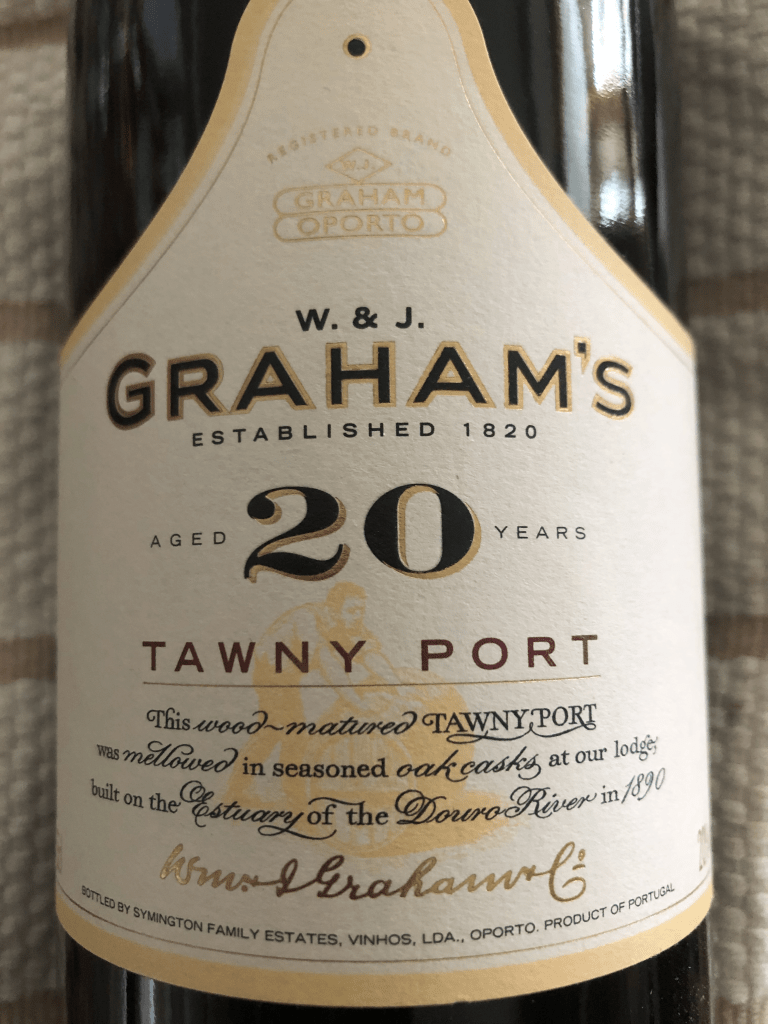
This year, we will be enjoying a 20 Year Graham’s Tawny Port with our Christmas dessert. This tawny wine was aged in neutral wooden barrels called ‘pipes’ which allows controlled exposure to oxygen for a period of time so the alcohol integrates. The once fresh fruit aromas and flavors take on dried fruit characteristics and oxidative aromas, bringing enticing aromas and flavors of caramel and nuts to the wine.
While the bottle is labeled as aged for 20 years, this does not mean the minimum age of the wine in the blend is at least 20 years old. A 20 Year Tawny Port is made up of wines younger and older than the specified age. In reality, the wine is tasted by a panel within the IVDP (the governing body that supervises wine producers in the region) and this organization does a taste test to ensure the wine has characteristics indicative of a wine that age to be labeled as such.
Because I could not wait, I decided to taste the wine before serving at Christmas and as anticipated, this is a particularly good wine. Although port has high alcohol, the generous primary stone fruit aromas/flavors of plum and apricot and the tertiary elements of caramel, raisins, nuts, orange peel with a hint of cinnamon, are expressive and show incredibly good balance and an elevated palate intensity just short of pronounced. The acidity is juicy and complements the soft tannins ending in a complex ripe/dried fruit and smooth finish. I know this is going to be a very tasty accompaniment to the homemade Rum Bundt Cake!
Whatever you choose to serve at your Christmas dinner (and there are Sherry, Madeira, and Vin Doux Natural wines out there that I have not touched upon), have some fun in choosing, be adventuresome, and celebrate good food, family, and friends.
It is no secret that charities are hurting in 2020 with no ability to host their typical fundraising events. Near and dear to my heart is the Humane Society of Truckee Tahoe at https://hstt.org who lovingly care for homeless pets and make finding them forever homes their mission. The annual Black Tie and Tails gala, their main annual income generating event, had to be cancelled due to Covid-19. A real blow to an organization that depends upon donation dollars.
Not only do we love supporting this worthwhile organization, but the gala was sorely missed by our ‘bubble’ of friends, so we decided to take matters into our own hands. Crafting an evening of wine, food and friends, where everyone dressed to the nines, cooked a fabulous dish to share and provided appropriate wines to pair, we celebrated the Humane Society’s efforts with a bit of a catch. Each attendee was asked to donate a minimum amount per person (in addition to their food and wine contributions for the evening) and some gave much more, sweetening the pot by finding ‘matching’ contributions from their employers.
While our dinner group was small and in a private home, those that could not attend generously donated to sweeten the pot. In the end, we managed to have a mid-November celebration of food, friends (both furry and human) and were safe inside our ‘social bubble.’ And yes, as a group of wine and food lovers, it was a fabulous night of wonderful food and delicious wines!
I won’t disclose the names of these ‘angels’ or the amounts contributed, but our small gathering provided a nice contribution of $ 6,100 which was then combined with generous corporate matches totaling $ 2,850 for a grand total of $ 8,950.
I will put out the challenge to have some fun being an organization’s ‘angel’ in these dark times. While currently we are all under the SIP order once again, Zoom is still out there and we are all looking for some fun and distraction. Be creative and generous in any way you can. Merry Christmas and Best Wishes for a return to normal in 2021.
With SIP and not being able to wander the wine aisles, what are you buying and what are you drinking?
Personally, I love strolling the aisles in the ‘candy store’ (AKA wine shop) and touching the merchandise. It’s frustrating not being able to do so as I do a lot of reading and I always feel as if I hit the jackpot when I stumble upon a wine I have been reading about. It’s the thrill of a treasure hunt with an unexpected silver lining.
By using Zoom as a way of sharing a glass of wine (or a cocktail), we have been labeling our chats as a ‘virtual wine tasting.’ That puts the pressure on me to try and choose a wine to ‘share’ that will be agreeable to a broad range of palates while not losing sight of the fact that there will not be a meal to accompany the offering. And, oh by the way, we are really using this time to ‘catch up’ with each other and actually see a human.
I could list many producers that are crafting very nice wines, and can do so over time, but today I want to introduce you to Chateau de Saint Cosme. This is a winery in the Southern Rhone area of France that makes many different wines from various AOPs.
Imagine…an ancient estate purchased in 1570 with grape vines already on the property. A chateau is soon constructed over the existing cellars which contained perfectly preserved Gallo-Roman fermentation vats. The Barruol family and their ancestors have been vignerons at the property for 14 generations.
The actual property is in Gigondas with the beautiful Dentelles de Montmirail as a backdrop. While the vines from the property surrounding the Chateau are used for their Gigondas wine, the Chateau also produces wines from Côte-Rôtie, Condrieu, St. Joseph and Châteauneuf-Du- Pape, to name just a few of their offerings.
As with many producers, the Barruol family wear many producer hats. First, as an Estate where they grow the grapes and produce the wine. However, they also source grapes from other growers and produce wine under the Saint Cosme (vs. the Chateau de Saint Cosme) label.
The Saint Cosme Cotes du Rhone 2018 is an affordable and accessible offering that hits all the ‘good quality’ targets. While it is labeled as a Cotes du Rhone wine (which generally would mean it is a GSM blend = Grenache, Syrah, Mourvèdre), this wine is 100% Syrah. That is very appealing to me as generally, to get a 100% Syrah wine, you need to move up into the Northern Rhone at a much higher price point. The grapes for this bottling were sourced from the right bank of the Rhone in the Gard area as well as the left bank in Vinsobres from a higher elevation.
The core of the wine is purple with aromas of violets, black cherry, black pepper and black olives. It is medium plus in body with well-integrated, silky tannins and a very long finish. I found it pleasant for quaffing but know how wonderful this wine is with lamb chops with rosemary and garlic mashed potatoes.
For you ‘score hounds’, the critic community agrees. Robert Parker 90 points, Wine Enthusiast 91 points and James Suckling 91 points.
I purchased for $15 and have seen it priced in the $14 – 20 range.
While I have spotlighted just one offering from this Chateau and at the accessible rung of the marketing ladder, they are producing quality wines in all areas. The point I am hoping to make = find a quality producer and try various wines across that brand. Some will be accessible as this Cotes du Rhone, some with be in a stretch category that you might purchase only for special occasions and others you may never buy because of the price point. However, in a good vintage year, you can often find wines from these producers that over-deliver quality at a reasonable price. It is also fun to have a story to tell about the wine and winery.
I hope you enjoyed this virtual tasting…stay safe out there!
I make the analogy of going to the wine shop like a kid going to a candy store. I want one of everything and have a habit of buying several bottles of each so I can taste and evaluate them over time. Now, while the cellar is organized and I use an Excel spreadsheet to categorize my treasures, there are usually some bottles that are overlooked and may still be awesome or may be past their prime.
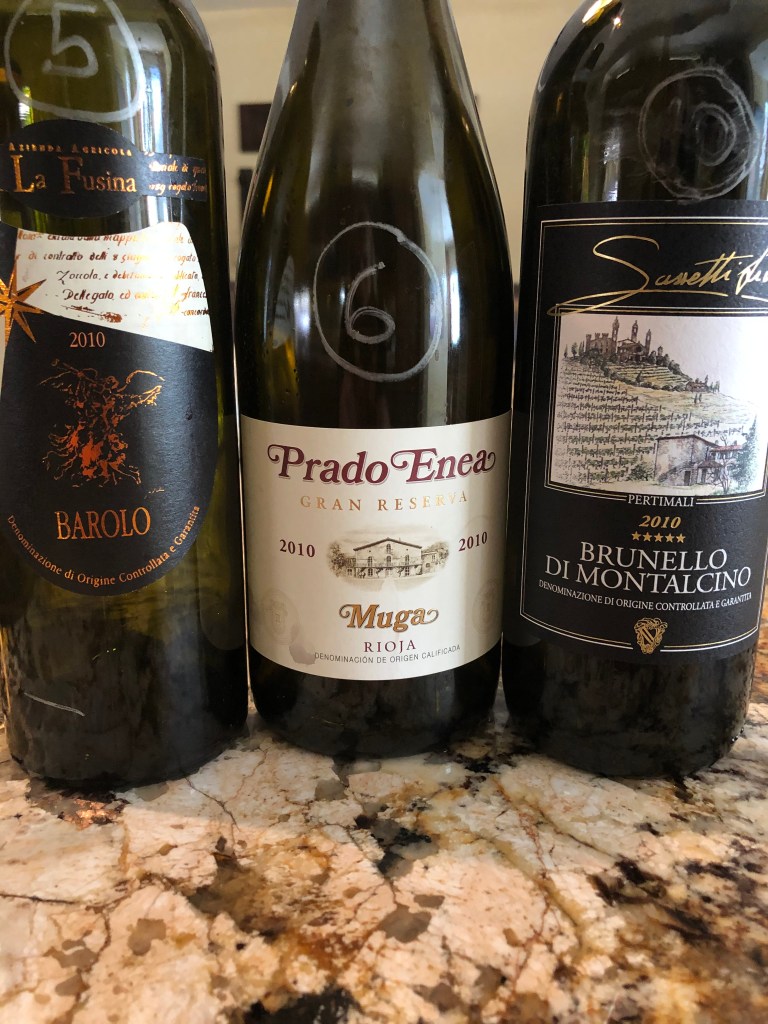
Earlier this year, in the spirit of cleaning things out, our wine tasting group hosted a ‘Decade Party’ where we tasted all wines from the 2010 vintage. The selections were from all around the world and ultimately from our cellar(s) so we knew they had been stored properly. Making a list of the 2010 wines on hand, I then made pairs of similar wines (by varietal, region or by food pairing options). With a dozen attendees, we split up the list of wines and dishes were prepared to showcase the wine(s).
As with any ‘over the hill’ wine tasting, you end up learning a lot. Just for fun, here is the list of the wines we enjoyed:
Chateau Saint Cosme Gigondas $55 WS 95 (corked)
Perrin Les Cornuds Vinsobres $20 WS 91
Solaria Patrizia Cencioni Brunello di Montalcino $45 JS 95
Linio Sassetti ‘Pertimali” Brunello di Montalcino $170 JS 100 (exceptional)
Monte Del Fra Valpolicella Classico Ripasso $24 WS 89 (corked)
McLaren Vale Grenache Australia – Chapel Hill $28 WS 89
Prado Enea Grand Reserva Muga Rioja $60 JS 99 (exceptional)
Dogliani Barolo – Axidena Agricola La Fusina $49 WE 93 (exceptional)
Robert Giraud Chateau Timberlay Bordeaux Superior $48 WS 87
Saint-Estephe Lafon-Rochet $69 WS 89
Pine Ridge ‘Tessitura’ Napa Valley Bordeaux Blend $46 WS 89
Steven Kent Merlot $ unknown Not Rated (corked)
Of the 12 wines, 3 were corked (fault = TCA) which is 25% of the wines tasted. While professionals vary in opinion as to the percentage of corked bottles normally encountered, it is generally in the 3 – 8% range. If a wine is defective due to the cork, the problem took place the moment the cork was inserted into the bottle. Our sample size with the large percentage of corked bottles is simply an outlier. TCA does not happen with time; it immediately affects the wine. Since the TCA presented itself from slightly corked to awful, it gave the group practice in identifying the TCA flaw and how it can vary.
There were three wines that were still in the ‘hold or ready-to-drink’ category, exhibiting classic markers for the varietal and lovely on the palate. I have noted ‘exceptional’ by these wines. Please note that price is not necessarily a factor in determining if a wine will last for an extended period. The ability of a wine to age is influenced by many factors which include the grape variety, vintage, viticulture practices, acidity, tannins, wine region, winemaking style, etc. For these 3 wines, Barolo (Italy), Brunello (Italy) and Tempranillo (Rioja, Spain), they all normally exhibit medium plus to high levels of tannins and medium plus to high levels of acidity, which in my opinion, the acidity being the ‘fountain of youth’ of wine.
Of the remaining 6 wines, some presented a bit of an ‘over the hill’ character but most were drinkable, enjoyable and a nice pairing to the accompanying dish. This is where personal preference comes into the equation and the ability to compare, contrast and evaluate teaches you by experience about the life of a wine. There are very few wines, in my humble opinion, that are still grand at the end of the extended period some professionals tout wine will last.
The Perrin Les Cornuds Vinsobres from the Rhone Valley of France was a $20 purchase that still rocked 10 years later. While the 2010 vintage was an exceptional one, the terroir of Vinsobres is particularly suitable for Syrah as it preserves the finesse which is often lost in more southern, warmer climates. It develops notes of violet, smoked meat and blackberries. Grenache is also suited to this terroir, full bodied and not heavy, with notes of chocolate, cherry and typical Garrigue aromas. A blend of Syrah and Grenache, this was a lovely wine.
The Sainte-Estephe Lafon-Rochet, a Fourth Growth Bordeaux, at $69 was a bit of a disappointment. It was very dark and intense in color, exhibited muted fruit, but on the palate, we encountered a gritty, chalky character that felt like the phenolics in the wine precipitating out of solution. I have other bottles of this wine and will have to re-evaluate at another time. This wine definitely did not rock my world.
I could continue, but it’s time for you to take a good look at your cellar and pick out wines that you believe you may have held too long. Make a list of the vintage, country, region, producer and hopefully, that list is not too terribly long. Make a second list of the remaining wines so you know what you still have and are wines you believe can wait a while to be consumed. For the ‘over the hill’ wines, place them into groupings. I would suggest:
Vintage
Country
Region
You can then approach your tasting a couple of different ways. Gather all like wines (varietal or country/region or vintage) and begin to taste! For our tasting, we focused on 4 elements:
Visual – Anything floating, wine cloudy? Color correct for the varietal?
Nose – Fruit present? Fresh? Dried? Dessicated/Moldy?
Wood – Oak? What kind? Floral – What kind?
Earth – Wet? Dried? None?
Balance – Acid, Sugar, Tannin – balanced or does one overpower?
Finish – how long? For a long finish, usually 20 to 30 seconds.
I know it would be so much more fun to do this with friends; however, take notes, take a wine each night (or every so many nights) and do your evaluation. Taking notes will help you compare and contrast and figure out which wines you think are still good and which are over the hill. You will learn a lot about the wines, your particular tastes as you may find you really don’t like wines from certain areas or you no longer like Zinfandel, etc., and the bonus is you will have a cleaned out cellar! Enjoy the journey…then, on to that coat closet…
If you want to tell us about your experience in cleaning out your cellar, I invite you to share your comments with us or ask questions to help you along on your journey!







 Sudsy's Cellar