What Petite Sirah Does to Cabernet—And Why It Matters

“Cabernet Sauvignon is a soloist. So why do so many winemakers keep giving it backup singers?”


In the ever-competitive world of California wine, consistency is currency. With rising expectations from consumers and critics alike, wineries often seek to craft Cabernet Sauvignon wines that are plush, powerful, and polished—vintage after vintage. But in the pursuit of this stylistic consistency, an unlikely grape has become a quiet enabler: Petite Sirah.

Blended in small but influential amounts, Petite Sirah is frequently added to Cabernet to deepen color, round out texture, and stabilize structure. Yet in doing so, it may also be flattening acidity, muting fruit expression, and ultimately dulling the vibrant voice that great Cabernet is capable of singing.

This article explores what Petite Sirah does in the blend, how its use reflects a formulaic winemaking mindset, and why this quiet shift in cellar choices matters—for authenticity, terroir transparency, and the future of expressive wines.

The Quiet Power of Petite Sirah

Petite Sirah (a.k.a. Durif) is a thick-skinned, late-ripening varietal known for its deeply pigmented juice, high tannin content, and bold structure. While seldom bottled on its own in high-end blends, it is a favorite tool for winemakers looking to:
– Intensify color
– Boost tannin grip
– Round out mouthfeel
– Stabilize a wine’s profile

Yet these benefits come with trade-offs. When added to Cabernet—even in small amounts—Petite Sirah can:
– Mute bright red or cassis fruit
– Suppress varietal clarity
– Dampen perceived acidity
– Create a generalized ‘bigness’ rather than detailed expression

As one winemaker privately put it, “It’s the volume button, not the tuning knob.”

From Character to Consistency: The Rise of Formula Wine

In vertical tastings, one can often detect when a wine’s profile becomes more about replicating house style than reflecting vintage variation or vineyard nuance. It’s here that Petite Sirah plays its stealth role.

There are brands that frequently rely on blending components like Petite Sirah, Syrah, or even Zinfandel to maintain plush, rounded profiles. The goal? Appealing mouthfeel, saturated color, and a flavor profile that “delivers” reliably at the retail shelf.

This is the hallmark of what I call formula wine—a blend crafted to meet expectations, not challenge them. And while there’s no shame in making delicious, accessible wine, it raises the question: At what point does formula replace authenticity?

When Cabernet Speaks, Listen Closely

Cabernet Sauvignon, when grown in the right site and allowed to express itself, can be electrifying: lifted aromas of blackcurrant, graphite, tobacco leaf, and violets; vibrant acidity; age-worthy tannin structure. These are the hallmarks of expressive Cabernet—from Napa’s mountain vineyards to Paso’s limestone pockets to Bordeaux’s Left Bank.

But once you’ve tasted a site-pure, unembellished Cabernet, it becomes hard to ignore how muted some blends have become. That exhilarating brightness—what some call “the snap”—can disappear under a thick cloak of color, weight, and indistinct darkness.

I’ve personally tasted Cabernets from producers who add Petite Sirah that feel like flat soda—dense, heavy, and short on lift. The freshness is gone. The fruit is thick, not bright. And while the wine may impress in a tasting lineup, it rarely invites a second glass at the dinner table.

Who’s Doing It Differently: Site Over Style

Fortunately, not all Cabernet producers follow the formula. A growing number of winemakers are leaning into transparency over technique—choosing to let vineyard expression and vintage variation shine, even if that means sacrificing some polish or consistency.

Take producers like Corison in Napa Valley. Cathy Corison’s wines are resolutely varietal, often lower in alcohol, and proudly site-driven. Her Kronos Vineyard Cabernets taste like where they come from—gravelly soils just west of Highway 29, exposed to the diurnal shifts that preserve acidity and aromatic lift.

Ridge Vineyards, while more commonly associated with Zinfandel, produces Cabernets from sites like Monte Bello with admirable restraint, complexity, and no need to “flesh out” the wine with extraneous blending or high-octane stylization.

Producers like Smith-Madrone, Heitz Cellar, Keenan, and Dunn Vineyards offer Cabernets that maintain integrity to site and vintage. These wines resist manipulation, embracing structure, freshness, and varietal clarity—without needing to “supercharge” with Petite Sirah or overdone oak.

These producers understand something critical: that the best Cabernet doesn’t need to be louder—it needs to be clearer.

Perspective and Palate

Let’s be clear: wine is ultimately a beverage meant to be enjoyed, and there are many different palates to please. Styled wines absolutely have their place—especially for newer consumers or in restaurant programs, where reliability and approachability are often more important than vintage variation or site expression.

That said, in marketing their brands, some winemakers—particularly in regions like Paso Robles—blend in Syrah or Petite Sirah and present the resulting wines as superior-quality, classic, and ageworthy Cabernets, often described as exquisitely rich and elegant, capable of rivaling their famous French counterparts.

Are those claims justified? That’s a question each consumer, sommelier, or collector must answer for themselves. But asking the question is part of being an engaged wine drinker—and part of honoring the diversity of what Cabernet Sauvignon can be.

Why It Matters

The use of Petite Sirah in Cabernet might seem like a minor cellar decision. But in the broader context of modern winemaking, it represents a choice: Are we crafting wines to reflect a place—or to meet a profile?

When the goal is to achieve consistency at all costs, we drift into a territory where wines are built, not born. And while there is undoubtedly a place for plush, approachable styles, the danger lies in the erasure of nuance and identity. As blending becomes a tool for engineering sameness, we risk losing the very character that makes great Cabernet—from Howell Mountain to Happy Canyon—so compelling.

As a wine judge, writer, and sommelier, I’ve come to value wines that tell the truth—even when that truth is leaner, edgier, or more angular than expected. I’d rather taste the vineyard in a minor key than hear the same chorus on repeat.

Petite Sirah is not the villain. But its quiet role in muting Cabernet’s natural voice deserves more attention—and more conversation.

Final Sip

If you’ve opened a bottle of Cabernet lately and found it heavy, indistinct, or curiously lifeless, ask yourself: Is this wine speaking, or has its voice been replaced?

Wine doesn’t need to shout to be heard. Sometimes, all it needs is the courage to be itself.

Author’s Note

This piece reflects one sommelier’s perspective on how blending choices and stylistic decisions can shape the personality of a wine. It’s not a criticism of blending or of winemakers who pursue a consistent house style — rather, it’s a reflection on how expression, balance, and individuality can coexist within the craft of winemaking.

Exploring Chablis Grands Crus: A Masterclass Overview

The Lake Tahoe chapter has elevated member education with a series of ambitious masterclasses—2010 Bordeaux by Left Bank appellation; the wines of R. López de Heredia; a cross-vintage Bordeaux comparison (2000, 2010, 2020); a curated flight from Wine Spectator’s 2024 Top 100 with pairings; and, most recently, a focused tasting of the seven Grands Crus of Chablis.

Hosted by Julie and Craig Rauchle at their home overlooking Lake Tahoe, the August program was presented by Claire Torbeck, DipWSET, Certified Sommelier, and Chapter Wine Director. The Grand Cru wines took time to source—several were acquired directly from France—and we were fortunate to present all 2022s across the seven climats (Les Clos, Vaudésir, Valmur, Les Preuses, Bougros, Blanchot, Grenouilles), which together form the single Chablis Grand Cru AOC.

We opened with a two-glass warm-up to frame style vs. site. Volunteers Craig Rauchle and Wally Binder shared observations using a custom tasting sheet designed to separate winemaking style levers (malolactic fermentation, lees stirring, and new oak) from site cues (acid line, salinity, and limestone texture).

  • Wine 1: Rombauer Chardonnay (California)—our example of a crafted, consistent style, shaped by full MLF, barrel fermentation/aging, lees stirring, and generous new oak, yielding the familiar buttery, toasty profile across vintages.
  • Wine 2: Domaine Pinson, Chablis 1er Cru Fourchaume—a site-driven contrast from a cool climate and Kimmeridgian limestone (marl rich in fossilized seashells), with restrained winemaking and naturally high acidity letting the vineyard speak.

Armed with that “map,” the group tasted through the seven Chablis Grand Cru climats, exploring how aspect, contour, and limestone depth channel fruit profile, line, and length. Set on the right-bank slope above the Serein River, the concentration of Kimmeridgian marl and minimalistic élevage combined to spotlight tension, salinity, and crystalline precision—classic Chablis signatures that distinguish these wines from richer, oak-forward styles.

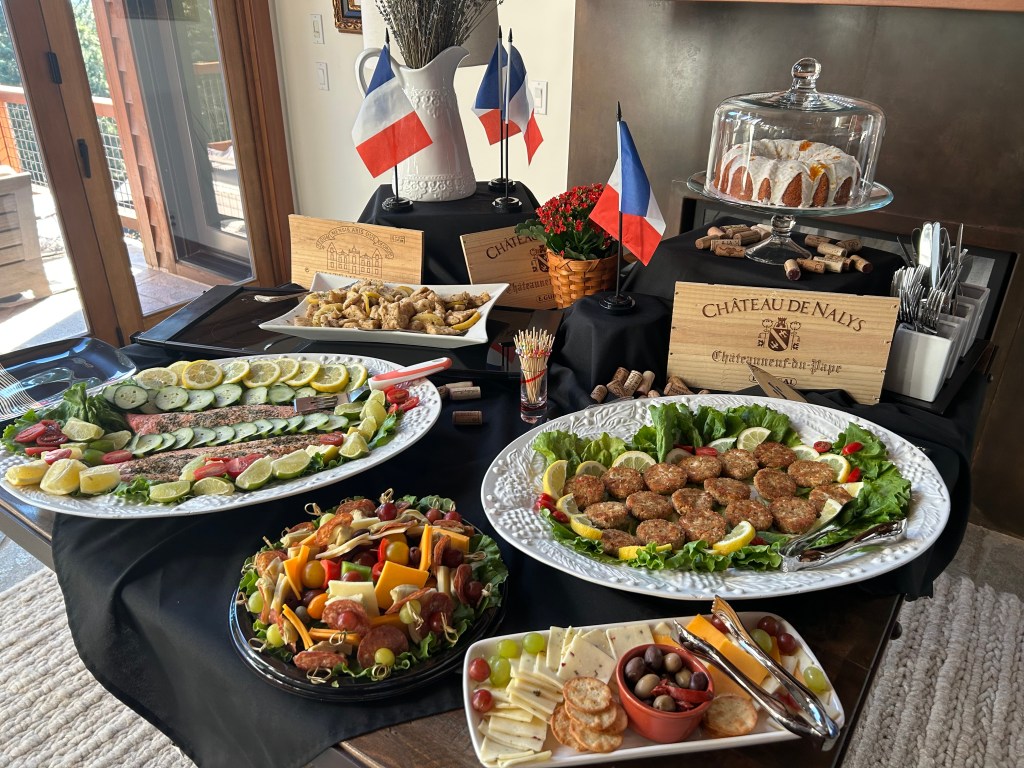
We concluded with a lakeside buffet curated by Julie Rauchle, whose pairings—saline, citrus, and lightly creamy elements—echoed the wines’ structure. A final glass of 2021 Domaine Pinson Chablis 1er Cru Fourchaume offered a graceful bridge from Grand Cru power to Premier Cru finesse—an elegant coda to a rigorous and delicious masterclass.

Learning Outcomes (what members took away)

  • Confidently explain style vs. site using clear levers (MLF/lees/oak) and cues (acid/salinity/chalky texture).
  • Name the seven Grand Cru climats and understand that they comprise the single Chablis Grand Cru AOC.
  • Describe how Kimmeridgian limestone and cool climate shape Chablis: high acidity, mineral line, and length.
  • Articulate why Chablis Grands Crus differ from oak-driven styles like classic California Chardonnay.

As the chapter’s Wine Director, Claire Torbeck, DipWSET, Certified Sommelier, conceived, curated, and presented all of the masterclasses noted above—including 2010 Left Bank Bordeaux, R. López de Heredia, the 2000/2010/2020 Bordeaux comparison, the 2024 Top 100 tasting with pairings, and the Seven Grands Crus of Chablis. From designing curricula and tasting frameworks to sourcing allocations and leading the sessions, Claire oversees the program end-to-end and will continue to develop rigorous, engaging masterclasses for members of the IWFS Lake Tahoe.

The Rise of High ABV Wines: A Challenge for Napa Valley

In the midst of a global shift toward moderation in alcohol consumption, it’s hard not to raise an eyebrow at the persistence of 15.5% ABV wines — particularly from regions like Napa Valley. As consumers increasingly seek balance, freshness, and food-friendly wines, one wonders: Has Napa missed the memo?

“Elegance isn’t weakness; it’s refinement. And that may just be Napa’s next great challenge.”

There was a time when Cabernet Sauvignon from Napa struck a beautiful balance — supple, expressive, and food-compatible. Today, many bottlings surge past 15% alcohol, delivering power, yes — but also a palate burn that lingers long after the last sip. Try pairing that with a classic roast or even a modest charcuterie board, and the match often falls apart. At a recent visit, several producers spoke proudly of crafting powerful, extracted wines aligned to critical scoring systems — still chasing ratings.

So, why the stubborn trend toward elevated alcohol?

It’s partly historical. Napa’s success in the 1990s and early 2000s was built on boldness — ripe fruit, generous oak, and big scores. Critics rewarded volume and weight. But that style, while once fashionable, feels out of sync with the current wine climate — both literally and figuratively.

Climate change hasn’t helped. Warmer seasons push sugar accumulation ahead of phenolic development. Winemakers either harvest early and risk green flavors, or wait and face wines that spiral past 15.5% ABV. Without thoughtful viticulture — canopy adjustments, rootstock selection, maybe even vineyard relocation — the default path is often more alcohol.

“High alcohol isn’t just a number — it’s a sensory force that can overshadow nuance, dull acidity, and exhaust the palate.”

And yet, around the world, we see producers adapting. Burgundy’s elegance remains intact through strategic vineyard management. Champagne producers manage ripeness while preserving freshness. Even in historically warm regions like Priorat, stylistic shifts are underway toward lift and restraint.

To be fair, Napa is not static. Some producers are shifting. We see lighter expressions emerging from mountain AVAs and cooler pockets like Coombsville. But as long as high-alcohol styles are rewarded by critics and expected by collectors, many wineries remain locked into that identity.

In today’s wine culture — where sustainability, health, and food pairing matter more than ever — there’s a growing place for wines that speak softly rather than shout.

More concerning than the sheer alcohol percentage is the imbalance it creates in the glass. Alcohol is inherently sweet, and when combined with ripe fruit or residual sugar, the perception of sweetness intensifies — even in ostensibly dry wines. To compensate, many producers lean into heavier oak usage, which can impart bitterness when layered over high alcohol and dense fruit. Instead of harmony, the wine can feel fragmented — with sweetness, bitterness, and warmth competing for dominance, while acidity, the lifeline of structure and refreshment, gets lost in the mix.

“Balance doesn’t mean less — it means more of what matters: freshness, structure, and soul.”

While Napa often favors an opulent, high-alcohol style in its Cabernet Sauvignon — showcasing ripe fruit, rich tannins, and generous oak — regions such as Burgundy and many cool-climate zones in California emphasize restraint and elegance, particularly in Chardonnay and Pinot Noir. These wines offer finesse, vibrancy, and nuance. They may not shout, but they sing.

Both styles have their place. Opulence appeals to consumers who seek intensity and richness. Restraint caters to those who prefer freshness and delicacy. Importantly, neither style is inherently superior; rather, they reflect differences in climate, vineyard management, winemaking philosophy, and market demand.

With climate change driving warmer vintages and consumers seeking moderation and balance, Napa has an opportunity — and a responsibility — to evolve. We’re already seeing signs of that. A new chapter of Napa winemaking could embrace diversity of style, with both opulent and restrained Cabernets thriving side by side.


Exploring Tre Bicchieri: Italy’s Top Wine Awards and Tastings

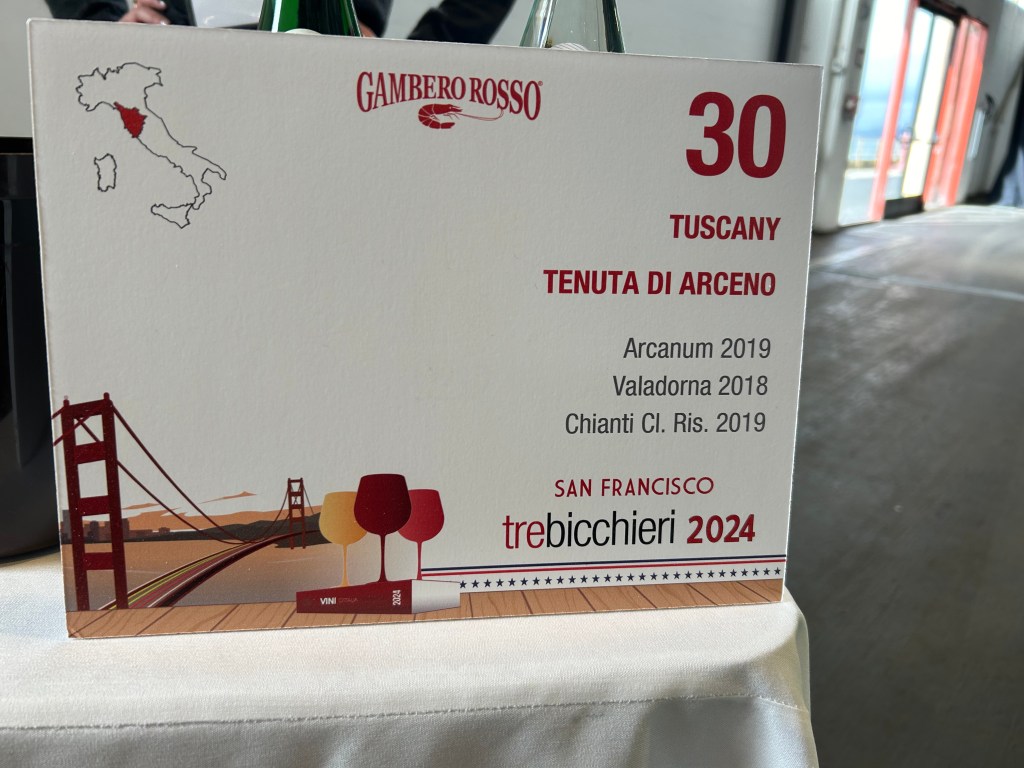
Tre Bicchieri is one of Italy’s most prestigious wine awards, given by the renowned Italian wine guide Gambero Rosso. The term translates to “three glasses,” signifying wines that stand out for their exceptional quality. Each year, Gambero Rosso also hosts a tasting tour featuring the award-winning wines, and the San Francisco event took place on February 27, 2025, at Fort Mason. It’s a fantastic opportunity for industry professionals to explore top-tier Italian wines and engage with winemakers, distributors, and brand representatives.

My Tasting Strategy

With hundreds of wines available, tasting everything is impossible, so I always attend with a focused plan. This year, I sought out producers that, in my experience, consistently deliver high-quality wines. I approached the tasting relatively blind—meaning I knew the producer but hadn’t researched the wine’s ratings, price, or blend beforehand.

I also narrowed my focus to Italy’s powerhouse appellations—the 3 B’s (Barolo, Barbaresco, Brunello)—along with Chianti, because, well, how could I not?

The Wines

Below is a curated selection of the wines I tasted, along with their vintage, producer, critic ratings, price, and grape composition.

VintageProducer & WineCritic RatingPrice (USD)Blend
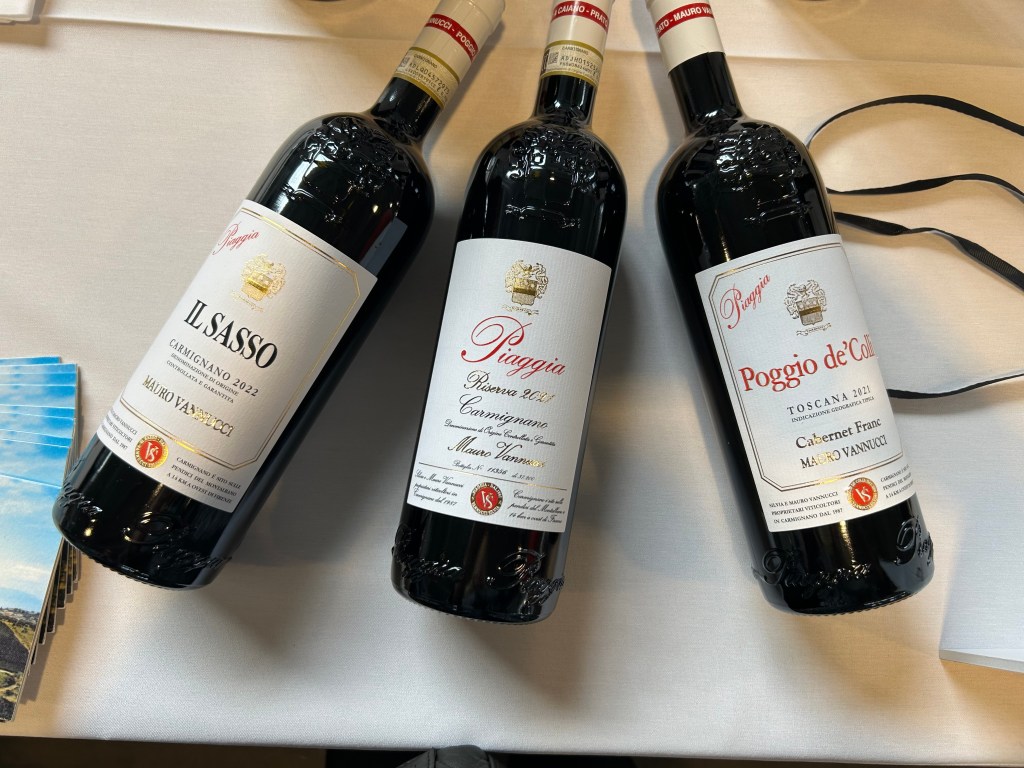
2022Il Sasso Carmignano, Mauro VannucciJS 92$3580% Sangiovese, 20% Cabernet Sauvignon
2019Brunello di Montalcino Poggiarelli, CortonesiJS 91$35100% Sangiovese
2019Brunello di Montalcino La Mannella, CortonesiN/A$69100% Sangiovese
2016Brunello di Montalcino La Mannella Riserva, CortonesiN/A$69100% Sangiovese
2021Nizza Le Court Riserva, Michele ChiarloWE 94$50100% Barbera
2020Barolo Cerequio, Michele ChiarloWE 94$124100% Nebbiolo
2019Tenuta di Arceno ArcanumRP 93$5265% Cabernet Franc, 20% Merlot, 15% Cabernet Sauvignon
2020Tenuta di Arceno Chianti Classico RiservaWS 94$40100% Sangiovese
2018Tenuta di Arceno ValadornaRP 95$120100% Merlot
2020Renato Ratti Barolo SerradenariN/A$180100% Nebbiolo
2020Renato Ratti Barolo MarcenascoJD 93$75100% Nebbiolo
2022Renato Ratti Langhe NebbioloN/A$27100% Nebbiolo
2020Giovanni Sordo Barolo PernoWE 90$65100% Nebbiolo
2020Giovanni Sordo BaroloN/A$30100% Nebbiolo
2020Poliziano Nobile di Montepulciano Le CaggioleRV 95$70100% Sangiovese
2021Poliziano Nobile di Montepulciano AsinoneD 93$80100% Sangiovese
2021Marchesi Frescobaldi Chianti Rufina Terraelectae V. Montesodi RiservaD 95$45100% Sangiovese
2021Marchesi Frescobaldi Chianti Rufina Nipozzano V. V RiservaJS 92$3690% Sangiovese, 10% other red varieties
2022Marchesi Frescobaldi Chianti Classico Tenuta PeranoN/A$23100% Sangiovese
2021Carlo Giacosa Barbaresco AsiliJS 95$95100% Nebbiolo
2021Carlo Giacosa Barbaresco MonteficoJS 93$60100% Nebbiolo
2021Carlo Giacosa BarbarescoRV 92$37100% Nebbiolo

Key Takeaways

I intentionally omitted any wines that I wouldn’t personally buy. Every wine on this list was good, very good, or outright outstanding. What I love most is the wide range of price points—proof that great wineries can produce quality wines at multiple levels through strong viticulture and winemaking practices.

Of course, these wines only represent a small selection of what was available at the event. Italy’s wine scene is vast, spanning hundreds of regions, grape varieties, and microclimates, with incredibly talented winemakers. I only wish I had more time!

Final Thoughts

If any of these wines catch your interest, I highly encourage you to seek them out. Whether you’re a seasoned collector or just starting to explore Italian wines, you won’t be disappointed.

Let me know in the comments—have you tried any of these wines? Which Italian producers consistently impress you?

Salute! 🍷

The Evolution of Rioja Wine: Tradition Meets Innovation

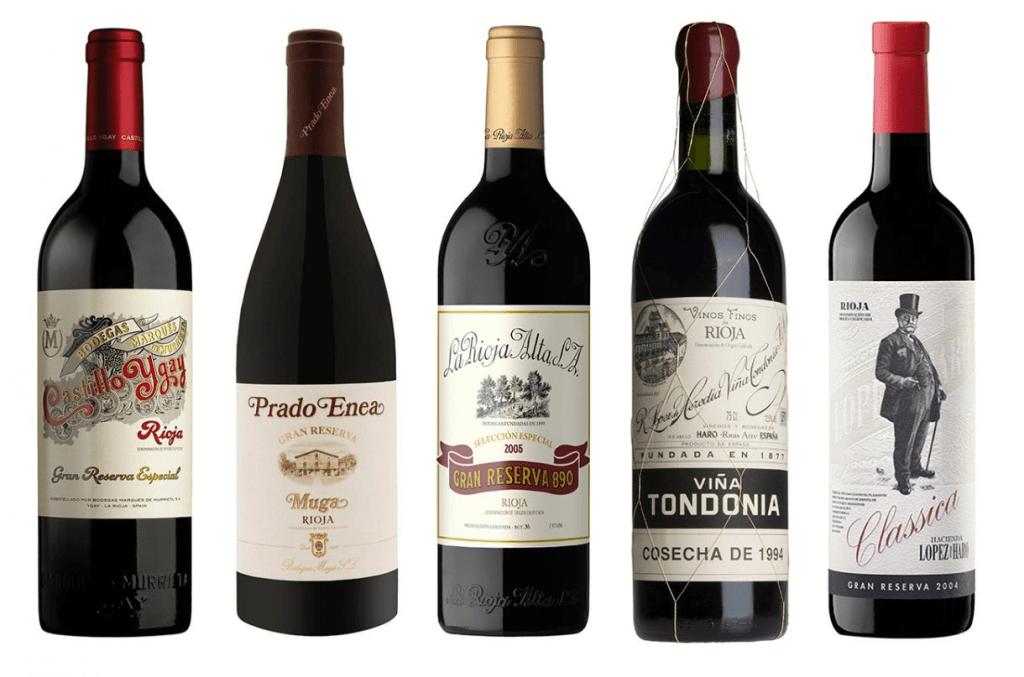
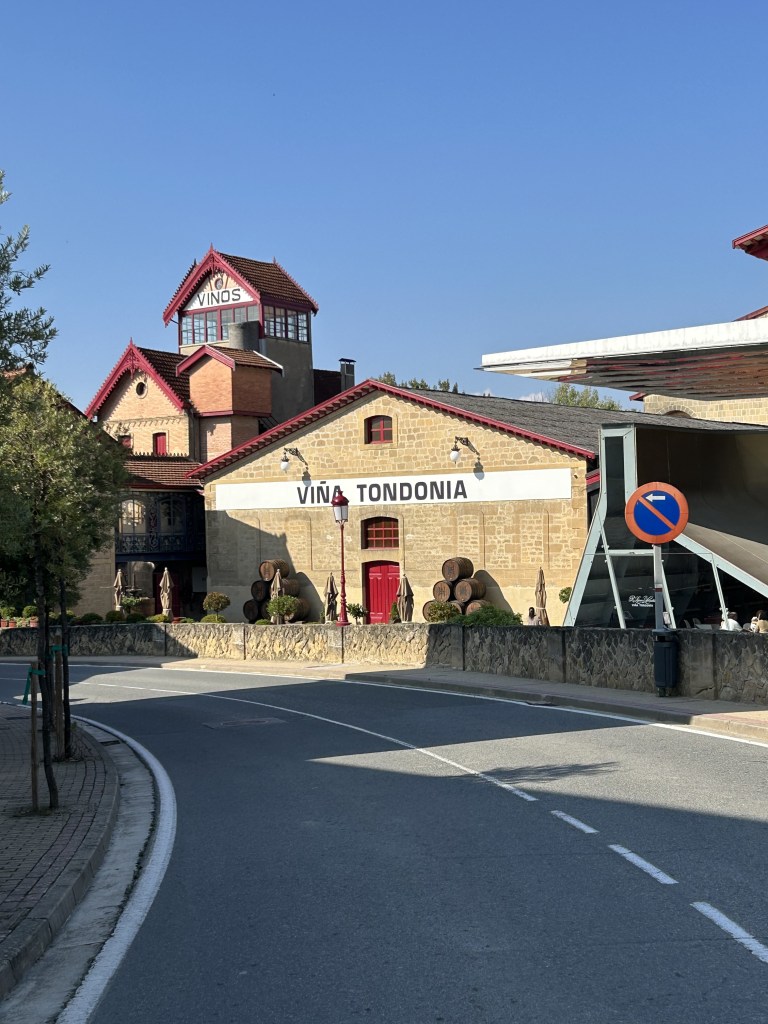
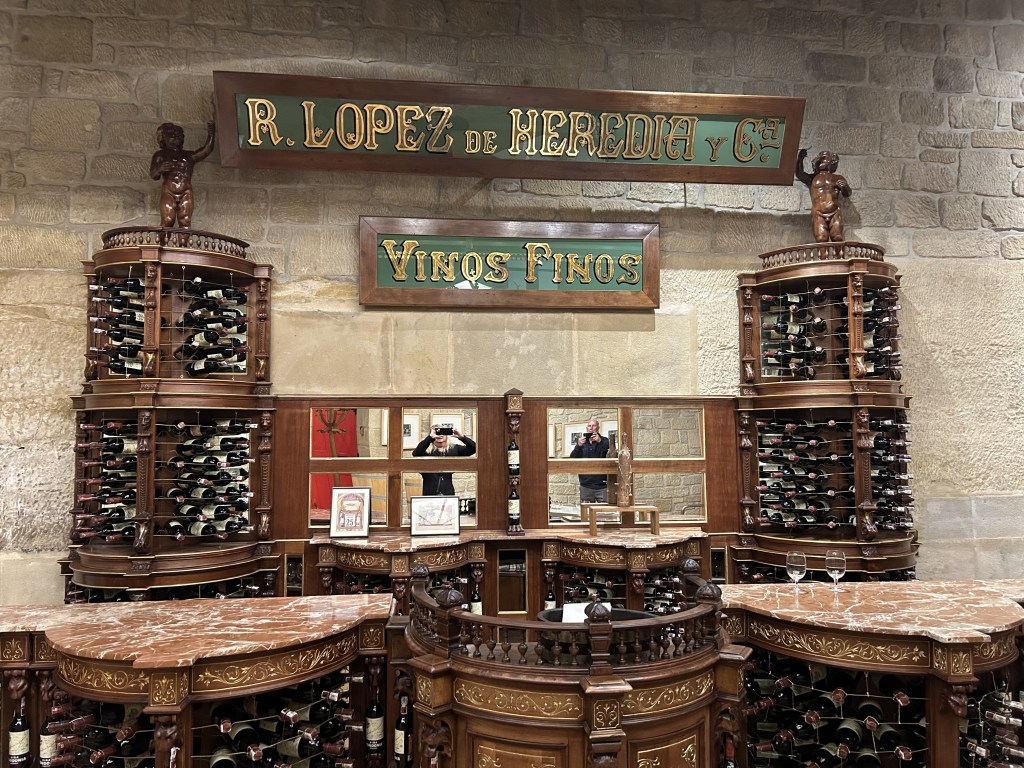
Spain’s wine industry has undergone significant transformation, evolving from a land dominated by blended wines to one increasingly focused on single-vineyard expressions. While traditional Rioja has long been defined by its aging classifications—Crianza, Reserva, and Gran Reserva—some producers are carving a different path. Among them, R. Lopez de Heredia Viña Tondonia stands as a beacon of tradition, offering single-vineyard wines while maintaining the prestigious DOCa designation.

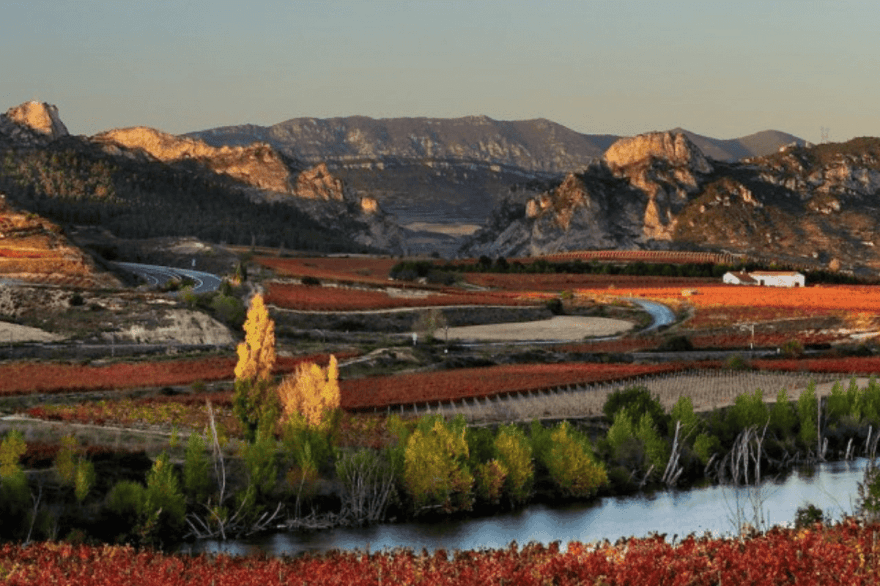
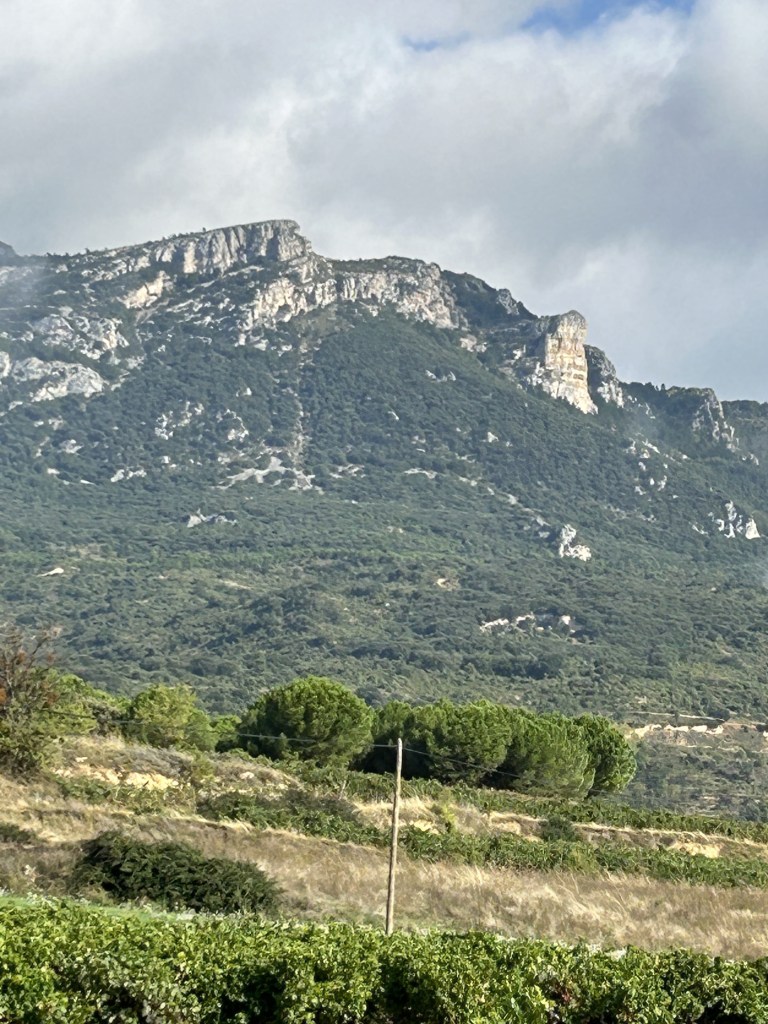
Rioja’s climate is unique within Spain. Unlike much of the country, which is dominated by Mediterranean warmth, Rioja benefits from a continental climate, bringing cooler temperatures and increased rainfall. This allows grapes to develop bright acidity, a hallmark of the region’s wines. The towering Cantabrian Mountains play a crucial role in defining Rioja’s terroir, trapping moisture and preventing hot Mediterranean influences from overwhelming the vineyards.

Rioja is divided into three subregions:

  • Rioja Alta (near Haro) – High altitude, producing wines with great acidity.
  • Rioja Alavesa – Slightly lower in elevation and a bit wetter.
  • Rioja Oriental – Warmer, with more Mediterranean influence, resulting in riper fruit and softer acidity.

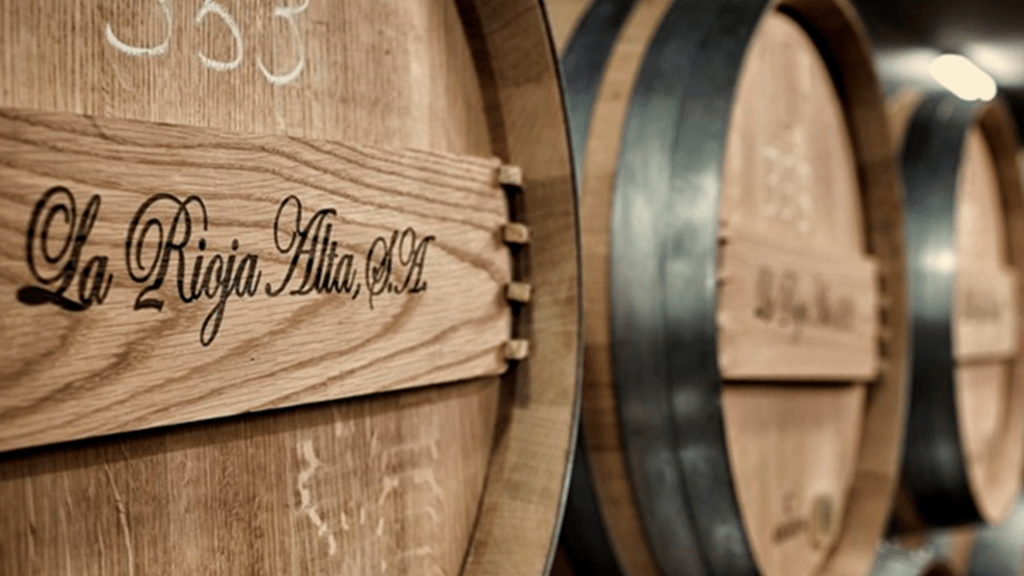
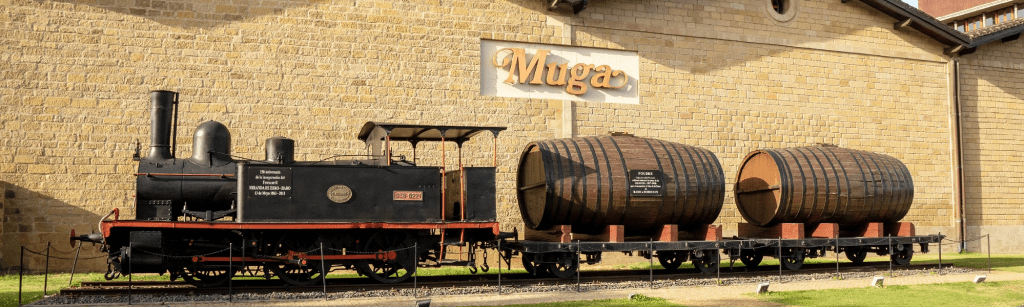
Haro, the epicenter of Rioja’s wine culture, is home to some of Spain’s most iconic wineries, including Muga, CVNE, La Rioja Alta, and, of course, R. Lopez de Heredia. These wineries cluster in the historic Barrio de la Estación, where wines were historically shipped by rail to the rest of Spain and beyond. The town’s significance in Rioja winemaking history is unparalleled, housing some of the most renowned producers who have shaped the region’s legacy. A joy to visit!

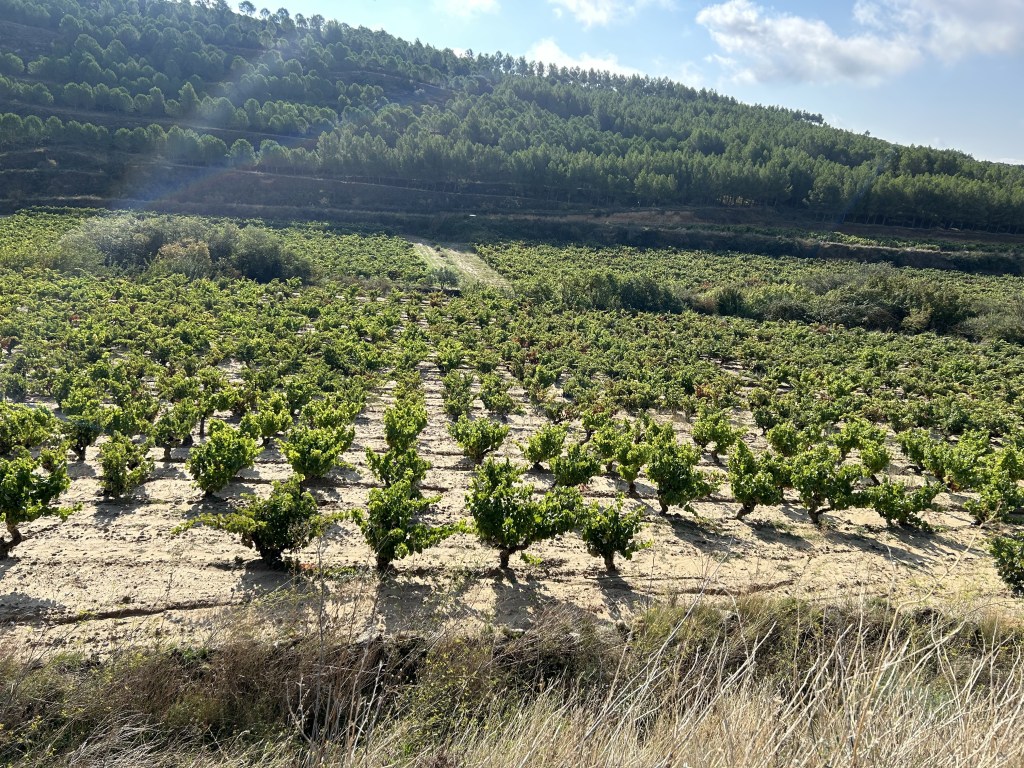
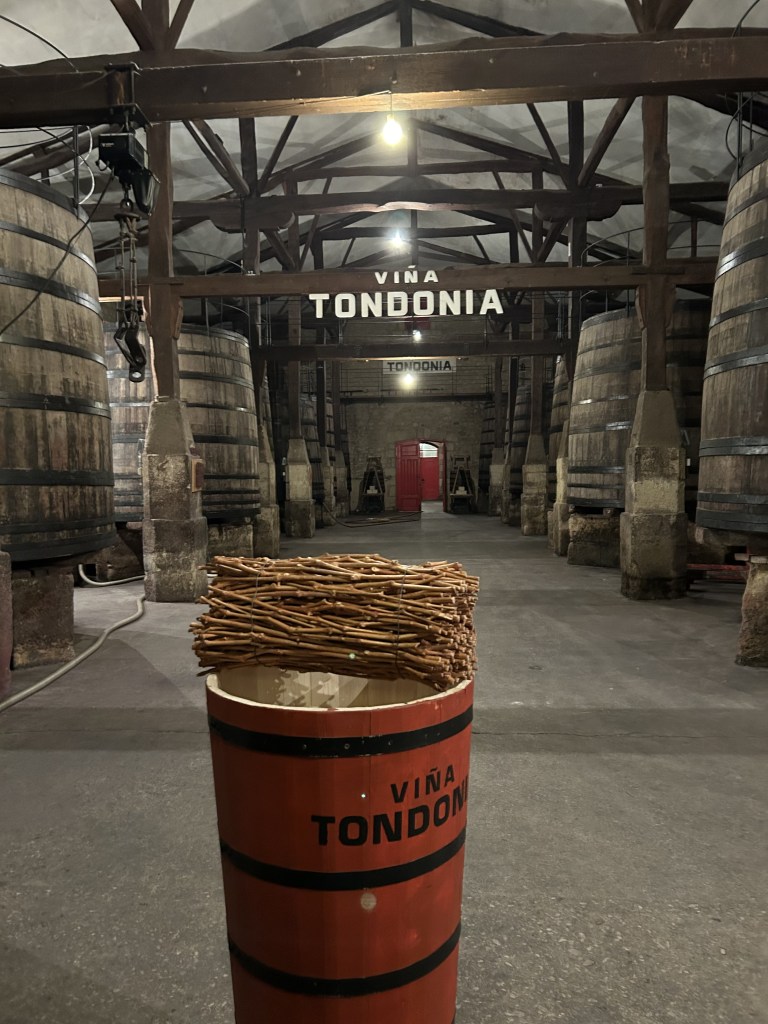
Founded in the late 1800s, R. Lopez de Heredia has steadfastly adhered to time-honored winemaking techniques. Their estate includes the revered Viña Tondonia vineyard, a 100-hectare (250-acre) site uniquely positioned along the Ebro River. The river encircles the vineyard like a moat, providing natural protection and enhancing its microclimate. The name “Tondonia” itself means “round,” reflecting this natural geographical feature.

Unlike many modern Rioja producers who embrace stainless steel fermentation and new French oak, Lopez de Heredia remains committed to traditional methods:

  • Natural Fermentation – Utilizing indigenous yeasts present on the grapes and in the winery.
  • Aging in Old Barrels – In-house cooperage ensures quality control, and extended barrel aging imparts complex oxidative notes.
  • Use of Vine Clippings in Fermentation – Similar to Burgundian whole-cluster fermentation, this practice enhances tannic structure and depth while promoting the presence of natural yeasts in the fermentation process.

While Rioja is best known for its reds, the region also produces remarkable white wines. Lopez de Heredia’s Viña Tondonia Blanco is an extraordinary example, undergoing extended aging to develop rich, nutty, oxidative characteristics akin to Vin Jaune from Jura, traditional Sherry, and aged White Burgundy. Stored in the winery’s special cellar, bottles of each vintage are preserved, showcasing the longevity and evolution of these unique wines.

The winery’s commitment to sustainability is evident throughout their viticulture and winemaking practices:

  • No chemical treatments – They employ cover crops, composting, and manual vineyard work to maintain soil health.
  • Dry farming – Encourages deep root growth, ensuring resilience in drought conditions.
  • Minimal sulfur use – Their wines contain only 50 mg/L of SO2, significantly lower than the EU’s 200 mg/L limit.
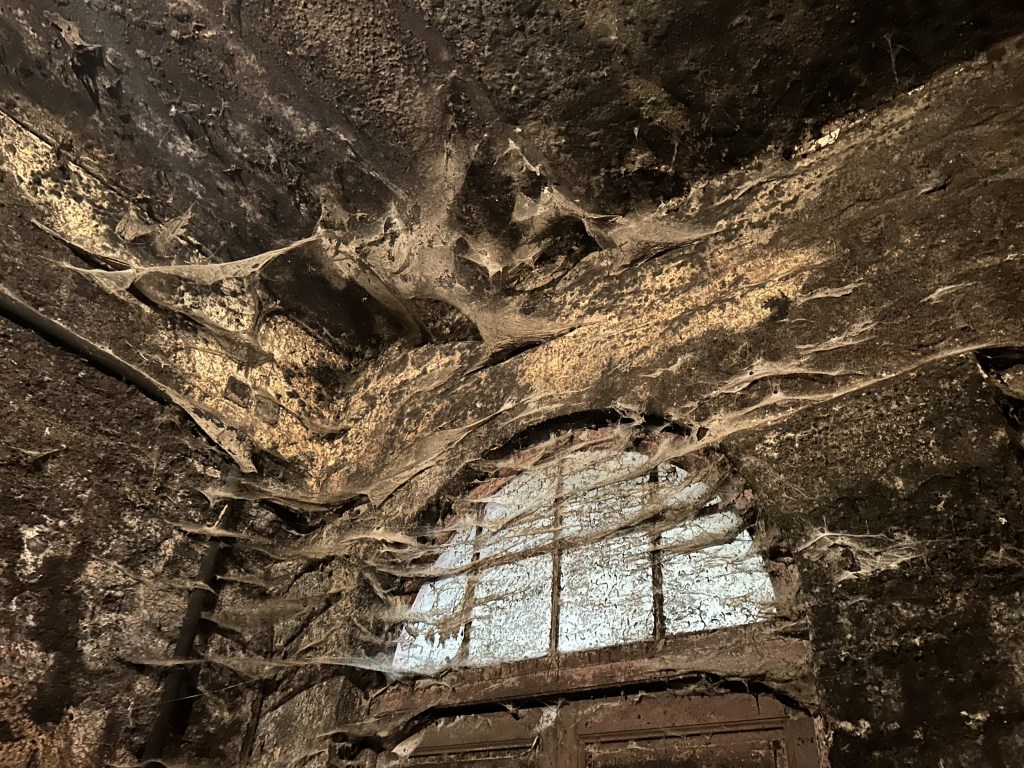
  • Spiders as natural pest control – Instead of using chemical pesticides, they allow spiders to thrive in their cellars, reducing unwanted insects.
  • Aging Cellars with Natural Humidity and Temperature Control – Built in the late 1800s, their facilities are designed to naturally regulate conditions for optimal aging.
  • In-House Cooperage – Maintaining their own barrels ensures quality control and minimizes the need for external resources.
  • Lopez de Heredia does not release a Gran Reserva every vintage; only the finest years merit this designation. Among the most legendary vintages is the 1964 Gran Reserva, often hailed as one of the greatest wines of the 20th century. Tasting a 39-year-old bottle of this vintage was a pivotal moment in my personal wine journey—though at the time, I had no idea of its historical significance!

While Lopez de Heredia champions traditional Rioja, modern producers have embraced technological advancements, creating fresher, fruit-forward wines. Examples include:

  • Crianza Wines – Such as those from CVNE, Viña Real, and Muga, which use shorter aging and newer oak to highlight bright fruit flavors.
  • Use of Stainless Steel – Enhancing freshness and preserving varietal purity.
  • French Oak Aging – Many producers opt for French oak to appeal to international palates.

R. Lopez de Heredia Viña Tondonia exemplifies the power of tradition in an evolving wine landscape. Their commitment to time-honored techniques, single-vineyard expressions, and sustainable practices ensures that each bottle tells a story of Rioja’s rich history. Whether comparing their wines to modern counterparts or simply enjoying their beautifully aged releases, one thing is certain: Lopez de Heredia’s wines stand as a testament to the enduring legacy of Rioja.

Have you had the opportunity to taste R. Lopez de Heredia wine? I was able to visit the winery in September during crush to learn first-hand about this historic producer. The restrained alcohol level and the clarity and silky texture that extended aging creates in the wine is amazing. I encourage you to share your thoughts and experiences in the comments below!

Discovering Hidden Gems in the Wine World

As I began my Diploma in Wine journey, I joined a tasting group to expand my knowledge. I often found myself discreetly jotting down the names of wines others recommended or spoke about with enthusiasm. Many of these wines were completely unfamiliar to me—a humbling reminder of the sheer vastness of the wine world. It’s hardly surprising, considering there are over 4,200 bonded wineries in California and more than 90,000 worldwide.

Searching for these recommended bottles was a source of frustration, as the majority were not available locally and often not available online. Living in California, I soon realized that while local distributors carry an impressive selection of California wines, a significant percentage of imported wine enters the U.S. via the East Coast and doesn’t always make its way to our golden state. I knew I would have to put in some serious effort to explore different wine shops and distributors for access.

Fortunately, the Bay Area offers many shops and importers that pride themselves on providing quality and diversity in wine. Kermit Lynch in Berkeley (https://kermitlynch.com/) and K&L Wine Merchants (https://www.klwines.com/) are two such stores/importers. The Rare Wine Company (https://www.rarewineco.com/) is also a gem, with extremely knowledgeable and helpful staff. Of course, there are many other establishments with strong portfolios and sound advice. During my Diploma journey, these players were instrumental in helping me source wines I needed to access and experience.

I’ll admit it: I have since gotten lazy and fallen into the rut of purchasing the same wines I know I will enjoy and have easy access to. Had I lost my spirit of adventure? Then, in October, I spent three weeks visiting wineries and meeting winemakers in Spain and Portugal. If ever you need to rekindle your zest for discovery, driving through vineyards at harvest will do it. The magical aromas of freshly picked grapes being crushed at the winery, the stunning scenery, the historic towns and buildings, and the traditions shared while tasting across their portfolios were a gift for all the senses. So many wines, so little time.

I recently came across a post where a site administrator asked readers to share an interesting wine they enjoyed in 2024. The bottles didn’t have to be rare or expensive, just the wines that brought the most joy. Pictures were encouraged. The following is a small selection of the wines posted:

  • Turley Zinfandel
  • Prima Donna Tannat
  • Chave Saint-Joseph
  • Flaccianello Della Pieve
  • Chappellet Cabernet Sauvignon
  • Marqués de Murrieta Castillo Ygay Gran Reserva Especial
  • Rinaldi Barolo
  • Vega-Sicilia Único

(Full disclosure: this list comes from a site where most participants work in the wine industry and have access to wines I generally cannot afford to experience. However, these eight wines represent five countries (USA, Uruguay, France, Italy, Spain) and showcase a diversity of grape varieties. While “the moment” can often elevate your experience with a wine, all of these are solid offerings and far less expensive than most  California cult wines.)

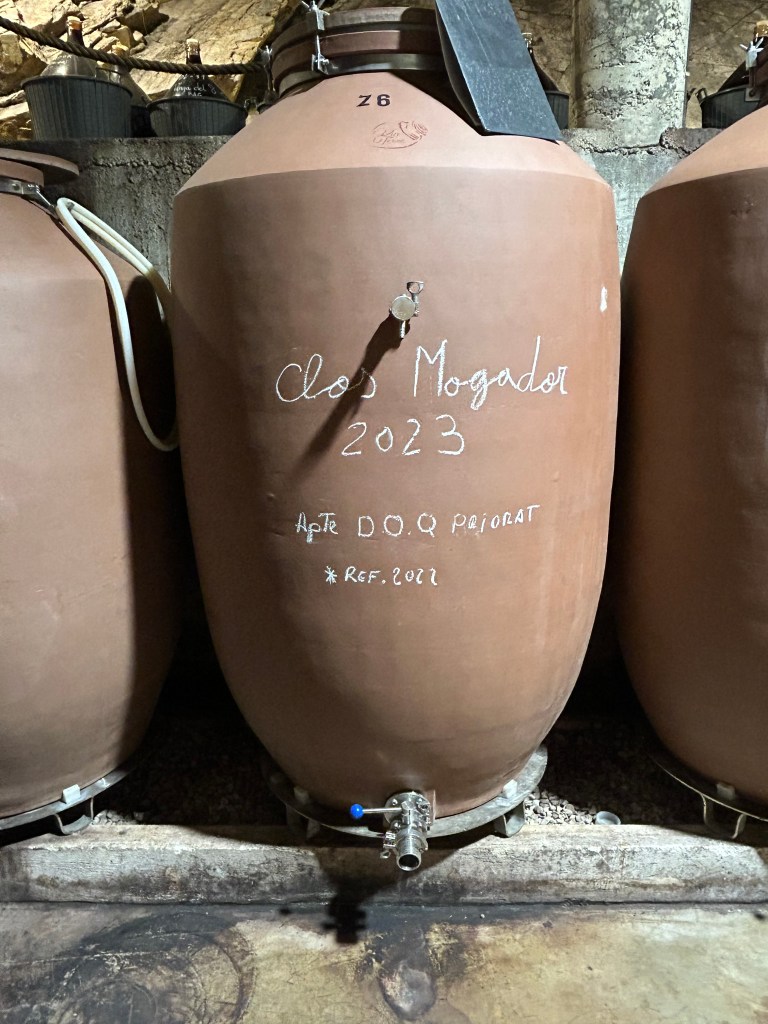
My joyful wine of 2024: Clos Mogador Manyetes from the Priorat region of Spain. I tasted it with the winemaker, René Barbier, at the winery in Gratallops. René is passionate about his craft, humble, and open-minded, drawing on knowledge gained over many vintages and the wisdom of the land to create beautiful wines. This wine, 100% Carignan, is a blockbuster and was a definite favorite. To learn more about Clos Mogador, visit their website at: http://www.closmogador.com/index.asp?idioma=EN.

As we welcome 2025, let’s make a resolution to broaden our wine horizons and make time and put in the effort to source and taste interesting benchmark wines of the world.

Cheers to 2025…

Thanksgiving Wine Pairing Guide: Budget to Luxe Picks

Thanksgiving is a time to gather with loved ones, celebrate gratitude, and savor an indulgent feast. Wine plays a crucial role in elevating the meal, complementing the rich array of flavors on the table. Whether you’re looking for an affordable crowd-pleaser, a mid-range gem, or a luxurious splurge, we’ve got you covered. Here are some recommendations for every budget.

Sparkling Wines: Welcome Friends and Family

Basic: Campo Viejo Cava Brut Reserve ($12-$15)

Cava from Spain is a vibrant, zesty white with citrus and stone fruit notes. It pairs wonderfully with turkey, stuffing, and lighter sides like green beans or salad, offering excellent value. Clean and refreshing finish with a well-balanced acidity.

Mid-Range: Roederer Estate Brut NV ($18-$24)

Roederer Estate sparkling wines are known for their complexity, elegance, and balance, much like their Champagne counterparts. Bright citrus, green apple, and pear dominate, with subtle raspberry nuances from Pinot Noir with a touch of brioche.

Splurge: Pommery Brut Royal Champagne ($55-$60)

Pale golden yellow with a fine, persistent mousse. Light to medium-bodied with a crisp, dry profile. Flavors of citrus, green apple, and white peach. An excellent introduction to the house’s refined Champagne style and a delightful choice for both casual and formal occasions.


White Wines: Perfect for Turkey and Sides

Basic: Pine Ridge Chenin Blanc + Viognier White Blend ($12-$15)

Juicy and refreshing, with flavors of ripe melon, green apple, and tropical fruits like pineapple. Known for its excellent quality-to-price ratio, this blend’s versatility makes it a fantastic pairing for various dishes:

Mid-Range: Hugel Classic Gewurztraminer ($25–$28)

This aromatic white grape is prized for its bold, floral and spicy character making it a great choice for Thanksgiving fare. Aromatic, and slightly off-dry make it a versatile pairing wine.

Splurge: Louis Jadot Chablis Fourchaume Premier Cru ($55+)

This single-varietal chardonnay wine showcases the purity and elegance of Chablis’ terroir, emphasizing freshness and minerality. Flavors of citrus zest, white peach, and crisp apple dominate, but with a creamy richness on the palate. Pure delight!


Red Wines: For the Heartier Dishes – Beaujolais Anyone?

Basic: Georges Duboeuf Beaujolais Nouveau ($10–$15)

Fresh, fruity, and easy-drinking, Beaujolais Nouveau is a classic choice for Thanksgiving. Its light body and vibrant red fruit notes harmonize with cranberry sauce and roasted turkey.

Mid-Range: Chateau des Deduits Fleurie Beaujolais ($22-$25)

Fleurie, known as the ‘Queen of Beaujolais Crus,’ produces wines that are typically lighter, fragrant, and more delicate than some of the other Crus. Floral hints of violets and roses, with subtle earthy and spicy notes such as white pepper and a touch of licorice.

Splurge: Domaine Jean Foillard Morgon Cote du Py Beaujolais ($52+)

Morgon is one of the 10 Crus of Beaujolais, known for producing structured, age-worthy wines. Ripe red and dark fruits, cherry, raspberry, and blackcurrant with earthy notes of wet stone, forest floor, and subtle mushroom.


more red wines: Pinot noir to please

Basic: Four Graces Pinot Noir Willamette Valley ($12-$25)

Medium-bodied with a smooth, velvety texture. Fresh red fruit flavors of cranberry, cherry, and plum and an earthy complexity balanced with vibrant acidity.

Mid-Range: Roserock by Drouhin Oregon Eola-Amity Hills Pinot Noir ($40+)

This wine is an exceptional expression of Oregon terroir, combining the finesse of Burgundy with the distinct characteristics of the Eola-Amity Hills. It’s a refined, balanced Pinot Noir that offers both elegance and depth, making it perfect for those who appreciate both the new world and old world styles of Pinot Noir. Elegant and complex, showcasing a beautiful balance of fruit, earthiness, and subtle spice

Splurge: Louis Jadot Santenay Clos de Malte, Burgundy ($55-$60)

Clos de Malte: This specific vineyard, classified as a Premier Cru, is a monopole (single-vineyard site) owned by Louis Jadot. The terroir of Clos de Malte is particularly favored for its warm, south-facing exposure, ensuring that the grapes ripen fully while maintaining good acidity. A classic Burgundy Pinot Noir, offering a beautiful balance of fruit, earth, and spice.


Dessert Wines: The Grand Finale

Basic: Croft Reserve Tawny Porto ($20-$25)

A classic, well-balanced Tawny Port with rich dried fruit, nutty flavors, and a smooth, velvety texture. Reserve Tawny Port: This is typically a blend of Ports aged in oak for around 5 to 7 years, though it can vary slightly.

Mid-Range: Graham’s 10 yr. Tawny Port ($30+)

The Graham’s 10 Year Old Tawny Port is a standout in the category of aged Tawny Ports, offering a refined balance of fruit, nutty flavors, and the signature complexity that comes with extended aging in oak barrels. This Port is aged in oak barrels for a minimum of 10 years, which gives it more time to oxidize and integrate the oak’s influence. Over this extended aging period, the wine develops more complex flavors, including nutty, caramel, and dried fruit notes. It becomes smoother, with a more pronounced aged character compared to Reserve Tawny.

Splurge: Graham’s 20 yr. Tawny ($70+)

Graham’s 20 Year Old Tawny Port is a luxurious, complex wine that exemplifies the finesse of long aging in oak barrels. With its rich flavors of dried fruit, caramel, nuts, and spices, it represents a perfect balance of sweetness and acidity. This Tawny Port offers an elegant, velvety texture and a long, satisfying finish, making it an ideal choice for special occasions, or as an after-dinner treat. It is particularly delightful when paired with rich cheeses, decadent desserts, or simply enjoyed on its own.


Tips for Thanksgiving Wine Pairing

  1. Offer Variety: Provide at least one white, one red, and possibly a sparkling wine to cater to diverse tastes.
  2. Consider Acidity: Wines with higher acidity pair well with Thanksgiving dishes’ rich and sweet flavors.
  3. Chill Reds Slightly: Serving reds slightly cooler than room temperature helps highlight their fruitiness (think 60-65 degrees as the wine will warm as it sits in the glass).
  4. No tannins: Tannic wines, which are wines high in tannins (like Cabernet Sauvignon, Nebbiolo, or Syrah), tend not to pair well with many traditional Thanksgiving foods. For Thanksgiving, wines with lower tannin levels and more balance—such as Pinot Noir, Gamay (Beaujolais), Chardonnay, or Riesling—tend to be more successful. These wines complement the meal’s diverse flavors without overwhelming any single component, making them versatile choices for a wide range of traditional Thanksgiving dishes.

No matter your budget, the right wine can transform your Thanksgiving meal into an unforgettable celebration. Cheers to making memories and savoring every sip!

Happy Thanksgiving!

Masterclass – 2010 Bordeaux – Left Bank

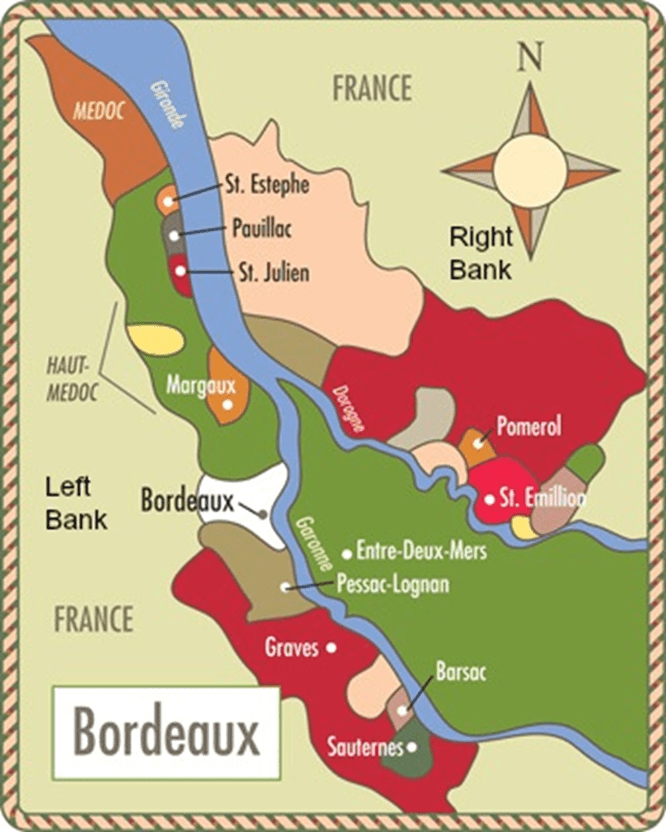
With a line-up of six highly rated wines from the Left Bank of Bordeaux, we began the evening with an overview of Bordeaux appellations, the three main rivers, as well as the classifications.

The Bordeaux Region has many moving parts…

• When talking about the Left Bank, we mean the land on the West side of the Gironde Estuary as we follow the flow of this river to the North

• The Medoc is the most Northernly AOC

• The Haut-Medoc includes the Listrac and Moulis AOCs

• From North to South, the AOCs of importance:  St. Estephe, Pauillac, St. Julien, Margaux

• City of Bordeaux interrupts the Left Bank with Pessac-Leognan, Graves, and Sauternes South of the City

• Three rivers:  Gironde Estuary, Garonne (for navigation to the City of Bordeaux) and the Dordogne (St. Emilion) divide the areas

• Entre-Deux Mers = land between the seas – white wine production and inexpensive red wines

• Pomerol – no official classification of Pomerol wine but the region does contain one property widely held to be equivalent to a classified growth:  Chateau Petrus

• St. Emilion is a medieval, walled city on the Right Bank (Dordogne) – Merlot and Cabernet Franc – famous producer is Cheval Blanc

That’s a lot of information, but the map is simply to encourage the understanding of the area.

There are FIVE classifications in the Gironde, listed in order of seniority: 

The 1855 classification – selections all came from the Médoc, with the single exception of Haut-Brion (which also ranked Sauternes and Barsac), ranking them from first to fifth growths – this ranking remains in place today

The Graves classification – 16 Crus, all of which belong to the AOC Pessac-Léognan (1953)

The Saint-Émilion classification – classified in 1955 and updated every 10 years or so (Premier Grand Cru Classe ‘A’ and ‘B’, Grand Cru Classe and Grand Cru)

The Crus Bourgeois du Médoc classification – February 20, 2020, that includes 179 Crus Bourgeois, 56 Crus Bourgeois Supérieurs and 14 Crus Bourgeois Exceptionnels

The Crus Artisans classification – grouping of small, family run estates (that have had lots of changes over time)

While this would seem to be enough info, we then moved on to look at the profile and style of each of the Left Bank appellations for clarity:

Saint-Estephe

Profile: Dark fruits like blackberry and plum, with earthy, savory notes, and sometimes a hint of pepper. These wines are often more austere in youth with a pronounced mineral character.

Style: Full-bodied and robust with firm tannins and a notable structure. Saint-Estèphe wines often require time to soften and develop, revealing complexity and depth as they age.

Tasting: 2010 Chateau Montrose, a 2nd growth from the 1855 Classification which was awarded 100 points by Vinous, 99 by The Wine Advocate, and 98 by Decanter. A blend of 53% Cabernet Sauvignon, 37% Merlot, 9% Cabernet Franc, and 1% Petit Verdot. The wine was quite purple in the glass with aromas and flavors of pepper, licorice, black fruits, and a heady perfume aroma that lingered. With still grippy tannins and juicy acidity, the wine was balanced with a very long finish, complex, with all aspects not quite integrated indicating it is still in its youth and will continue to develop. Purchased in October 2023 for $299.

Pauillac

Profile: Black currant, cedar, graphite, tobacco, and sometimes hints of lead pencil and earth. Pauillac wines often display intense, concentrated fruit with powerful tannins.

Style: Known for its full-bodied, structured, and age-worthy  elegance and complexity with a long finish. Some of the most famous and prestigious wines come from Pauillac, such as Château Lafite Rothschild, Château Latour, and Château Mouton Rothschild.

Tasting: 2010 Chateau Lynch Bages, a 5th growth from the 1855 Classification which was awarded 98 points by Jeb Dunnick and James Suckling, 97 points by Robert Parker, and 96 points by the Wine Advocate. A blend of 79% Cabernet Sauvignon, 18% Merlot, 2% Cabernet Franc, 1% Petit Verdot. The wine was purple in the glass showing aromas and flavors of tobacco, red and black fruits, graphite, baking spice, cinnamon, and anise with a mouth-filling explosion of flavors across the palate. The tannins were fine grained with high acidity supporting the very long and expressive finish. The wine was well balanced, approachable now, but elements will continue to integrate over time. A complex and outstanding wine. Purchased in October 2023 for $229.

Saint-Julien

Profile: A harmonious blend of blackcurrant, black cherry, tobacco, and earthy notes with a touch of spice. Saint-Julien wines are known for their balance and finesse.

Style: Medium to full-bodied with a velvety texture and fine tannins. Saint-Julien is often described as having the power of Pauillac and the finesse of Margaux, making it a middle ground between the two in style.

Tasting: 2010 Chateau Leoville Barton, a 2nd growth from the 1855 Classification which was awarded 100 points by Wine Enthusiast, 97 points from James Suckling, and 96 points from The Wine Advocate. A blend of 77% Cabernet Sauvignon, 21% Merlot, 2% Cabernet Franc. The wine was more ruby/purple with earthy elements of wet mulch, jam (red and black fruits), wet tobacco, licorice and white pepper. The acid was medium plus with fine tannins and restrained alcohol. The wine was balanced with a medium plus finish, complex but not yet fully integrated aromas and flavors with a bit of bitter phenolics on the finish. Purchased in October 2023 for $195.

Margaux

Profile: Floral notes of violet and rose, alongside red and black fruits like cherry and cassis. Margaux wines can also show hints of vanilla, cedar, and spice from oak aging.

Style: The most elegant and perfumed of the Médoc wines, Margaux wines are often described as silky and refined with a lighter body and softer tannins compared to other Left Bank wines. They are known for their aromatic complexity and charm.

Tasting: 2010 Pavillon Rouge, the 2nd bottling of Chateau Margaux, which was awarded 96 points by James Suckling, 94 points by Robert Parker, and 94 points by Wine Enthusiast. The blend is 66% Cabernet Sauvignon, 30% Merlot, and 4% Petit Verdot. The wine was dark ruby in color with perfume of roses and violets, very intense as you brought air across your palate. Red plum and bright cherry, ripe fruits, cedar with silky tannins and juicy acidity. The wine was balanced with good integration and complexity of flavors, with a long finish that will keep evolving. An impressive wine. Purchased in October 2023 for $269.

Haut-Medoc

Profile: Varies by producer, but typically includes red and black fruits, herbs, and a touch of earth and oak. Haut-Médoc wines can show good balance and structure.

Style: Medium-bodied with a mix of fruit and earthiness, these wines are often well-structured with moderate tannins. Haut-Médoc encompasses several smaller appellations, and while they may not reach the heights of the more prestigious communes, they offer excellent value and aging potential.

Tasting: 2010 Chateau Cantemerle, a 5th growth from the 1855 Classification. Awarded 94 points by James Suckling. The wine is a blend of 60% Cabernet Sauvignon, 30% Merlot, 6% Cabernet Franc, and 4% Petit Verdot. Purple color in the glass and opague. The aromas and flavors were more subdued as compared to others in the line-up, with notes of red and black berries and plums, a hint of phenolics from the oak used and a note of older wood. The acidity was medium plus and the tannins a tad on the coarse side. With a medium plus finish, the wine was balanced with restrained alcohol at 13%. The wine was sound, but perhaps would have been a bit more lively had it been open and consumed a year or two earlier. A solid producer from the Haut Medoc that always presents a very good wine, albeit not meant to age like a Chateau Montrose, etc., but priced at $65 when purchased in October 2023, and definitely the bargain in the line-up.

Pessac-Leognan

Profile: Red and black fruits, often with a smoky, earthy character, along with cedar, tobacco, and sometimes a note of graphite. The gravelly soils contribute to a distinctive mineral quality.

Style: Medium to full-bodied with a firm structure and refined tannins. Pessac-Léognan is known for producing wines with great complexity and depth, often showing a balance of fruit, earth, and minerality. Château Haut-Brion is a standout from this region.

Tasting: 2010 Chateau Haut Bailly, a Cru Classe from the Graves Classification. The wine was awarded 100 points from Decanter and 98 points from the Wine Advocate. The blend is 62% Cabernet Sauvignon, 36% Merlot, and 2% Cabernet Franc. The wine was quite purple in the glass with red and black fruits and notably ripe cherries, rich, with a added layer of ripe peaches, dried mulch, a whiff of smoke and graphite, with evident minerality. The acid was juicy, the wine complex and balanced with tannins presenting on the coarse side. So many interesting elements in this wine making it a real crowd pleaser. This wine should continue to age beautifully. Purchased in October 2023 for $195.

An impressive and informative tasting, allowing the comparison of wines from different appellations within Bordeaux, looking for and identifying the unique characteristics and styles, with the bonus of actually recognizing wines at different stages of maturity, while all coming from the fantastic 2010 vintage. A very good lesson in that vintage does matter.

A very fun and great learning session crafted for a Masterclass tasting of Bordeaux wines for the International Wine & Food Society.

Looking for something more than an afternoon at a California winery with a limited selection of wines?

If you are traveling to California to spend a few days tasting in Napa or Sonoma, or you live close to San Francisco, are you interested in a different venue to taste and to learn more about wine? Imagine, an upscale wine bar in the Dogpatch area of San Francisco. What’s Dogpatch? It was a shipbuilding hub in San Francisco dating back to the 1800s, and retains an industrial vibe with large warehouses, many of which have been updated into residential lofts, art galleries and shops (https://www.sftravel.com/article/18-sommelier-approved-wine-bars-san-francisco).

Welcome to Ungrafted, a retail shop, wine bar, eatery, with a wine club, owned by a husband and wife couple, both who are Master Sommeliers. All staff members are various levels of Sommeliers so you get ‘on the fly’ details about the regions the wines hail from and not just marketing lingo about what you are supposed to be tasting in the glass. You can stop by for lunch or dinner or appetizers and a glass of wine. You can attend a Wednesday afternoon wine tasting, participate in blind tastings on Thursdays, join a formal class on Saturday, or bring your work buddies in for a private class.

I visited for the first time last week and was pleasantly surprised at the beverage offerings (wine, beer, sake, etc.) and a limited but yummy lunch menu. It’s a welcoming place and a gem for any wine nerds out there. Seriously, where can you go to learn and enjoy delicious wines from around the world with such a talented and well-trained staff?

Full disclosure, I’m NOT throwing Napa or Sonoma under the bus! I just was quite pleased to find a different kind of venue to explore wines around the world. Check out their offerings at: https://www.ungraftedsf.com/

Notice the kiddie table in the picture? It seems they welcome all ages!

Fraternal Wine Organizations have a lot to offer…

The Knights of the Vine (KOV) Lake Tahoe hosted an innovative food and wine pairing event at the home of Commander Ernest Grossman in Truckee, California, on the snowy evening of May 4, 2024. Billy McCullough, former owner/chef of the Dragonfly Restaurant, crafted the menu, presenting creative cuisine with an Asian flair, and I had the honor of pairing the food with delicious wines for the evening.

Ernie, in his thoughtful and generous manner, gifted a couple of bottles of the 2003 Lafon-Rochet Bordeaux from his personal cellar for a mini-educational event. The 20 year old wine was kept at 60 degrees to help lift the acid and show the brightness of the fruit. Gratefully, we found the corks to be pliable with no evidence of leakage, so we carefully decanted to remove any sediment. Then, the deeply colored wine was poured into glasses to rest for several minutes and to allow any reductive aromas to blow off. It was indeed an old beauty in the glass. Deep ruby/purple core fading to a more garnet hue at the edges, an initial whiff of raisin faded to ripe black plum, blackberries, licorice, acid was medium plus and alcohol was still well integrated in the wine. The finish was surprisingly long. It was a delight and a great educational experience to show patience when opening old beauties!

Moving to the appetizer course, the Pommery Royal Champagne NV was amazing with the poke spoons and dumplings. The Champagne showed lemon chiffon and creme brulee aromas, very fresh lemony fruit, and the lightness of the sparkling wine on the palate was a perfect pairing for these amazing nibbles.

Next came the Cod…

A beautiful, creative presentation of perfectly prepared, almost blackened, cod smoked on cherry wood and presented with grilled vegetables and strawberry salsa. I paired this with a Chateauneuf du Pape drawing toward the smoked cherry wood and strawberry salsa, and of course, with consideration as to where it stood in the line-up of dishes for the evening. The Grenache element in this wine definitely sang to the smoked and fresh strawberry elements, and the Cod itself was meaty so the weight and texture also worked beautifully.

Tea smoke Quail came next, surrounded by Quail eggs, with mushroom stuffing completing the Quail, all on a bed of polenta. The Premier Cru Burgundy from Domaine Albert Morat absolutely sang with this dish, drawing to a pepper element in both the food and wine. This proved to be ‘off the charts’ amazing and I believe it was the favorite pairing of the evening.

To play to an educational moment, we had both the Chateauneuf and the Burgundy poured at the same time so that guests could try each wine with each of these two courses. It was fun to find that everyone liked the pairings presented, but appreciated the opportunity to try it themselves. We also talked about the depth of color of the Chateauneuf vs. the Burgundy, pointing out that often people think the darker the color the more aromatic the wine. However, while the Chateauneuf du Pape was ruby/purple and more intensely colored, that was due to the thick skinned grape varieties like the Syrah which is part of the blend. The Burgundy, on the other hand, while it was ruby/garnet but had less depth of color (typical of thin skinned varietals), was intensely aromatic, as much so as the Chateauneuf.

I generally skip dessert, but not tonight. This was an amazing combination of texture and flavors as well as candy for the eyes. All seamlessly paired with the delicious vintage port from Graham’s and most of us went back for more. While quite the hearty dessert, Chef Billy spoiled us all by bringing plates of additional ‘cookies’ to each table for our enjoyment, not to mention second pours of the lovely port wine.

It was a fantastic dinner as well as an educational opportunity, tainted only by a rouge spring snowstorm that kept many of our friends home due to road closures. While we we missed them dearly, this will be a dinner to remember as well as ‘snowageddon’ which came out to play when not invited.

If you love wine and food and want to surround yourselves with like thinking people, I encourage you to check out the Knights of the Vine (KOV) at: http://www.kov.org

There are many chapters around the country and more organizations to check out through the F.I.C.B. organization at: https://winebrotherhoods.org/en/